How ásanas differ from ordinary physical exercise, how they act on the endocrine system, and why they help keep the mind calm.
Ásanas ("ásana" means "a comfortable posture") are a system of exercises developed by yogis several thousand years ago. A yoga posture held steadily and comfortably; it balances the glands and quiets body and mind for meditation. not only keep the body healthy, stimulating circulation, keeping the joints mobile, toning the muscles and massaging the internal organs, but also help to calm and control the mind.
Yoga ásanas are fundamentally different from athletic exercise, fitness and aerobics. Physical exercises are done at the rhythm of the heartbeat (60–80 movements a minute). But ásanas are done at the rhythm of the breath (14–16 movements a minute), alternating with holding the breath and remaining still in a particular posture, which leads to deep relaxation of the muscles and nerves.
During ásanas the body accumulates vital energy rather than spending it; and so through regular practice of ásanas the yogi builds up a great store of inner energy, which the mind needs to reach higher states.
Having learned to relax and to sit still for a long time, a person gains control over their nervous system and physical condition, reaching the physical balance needed for long meditation.
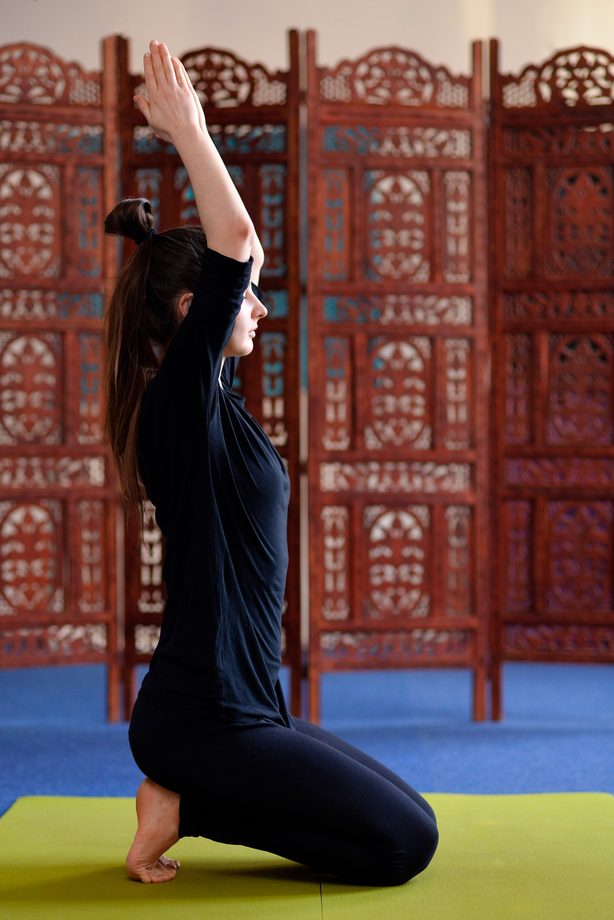
The most important thing, however, is the effect of ásanas on the endocrine system. The endocrine glands influence our emotions and our state of consciousness. Gentle pressure on the various endocrine glands during ásanas regulates the production of hormones in these glands and creates emotional balance and calm in the mind. The endocrine glands include the pancreas, the thyroid, the parathyroids, the adrenals, the ovaries, the thymus and the pituitary.
It has been observed that emotions such as fear, sorrow, anger, jealousy, hatred, love and joy affect our body to different degrees, and especially the endocrine system. Great grief or fear can even cause death.
These emotions are like a shock that strikes the nervous system and leads to the breakdown of the body. The healing effect on the endocrine system is one of the most important effects of ásanas. With the help of ásanas the yogi gradually gains the ability to keep their psychological balance and to stay calm inside in any circumstances.
There is no need to do long and complicated sets of ásanas. Depending on the needs of our body, it is quite enough to do just a few exercises every day. Each person needs their own set of ásanas, according to their problems and needs.
Ásanas, like the other exercises of yoga, are part of an integrated, harmonious psycho-physical training, a step on a long path that should be walked under the guidance of a competent spiritual teacher. It is recommended to receive an individual set of ásanas from an A teacher of meditation trained to give personal instruction; monks, nuns and family people can be ácáryas. (a qualified teacher of yoga and meditation).
Sets of ásanas for practice
It is best to begin with the basic ásanas, then the easiest ones to do, and after that you can try choosing ásanas for yourself on the basis of your own experience. And don't forget to read the rules for doing ásanas here.
But if you have the chance, it is best to ask meditation teachers to put together a personal set of ásanas for you.
- Basic ásanas
- The easiest ásanas to do
- A universal set of ásanas
- Ásanas for men
- Ásanas for the manipura A center of psychic energy in the body; seven major ones lie along the spine.
- Ásanas for the anáhata cakra
It's time to make your ásana practice regular!