
Átmamokśa — for self-realization
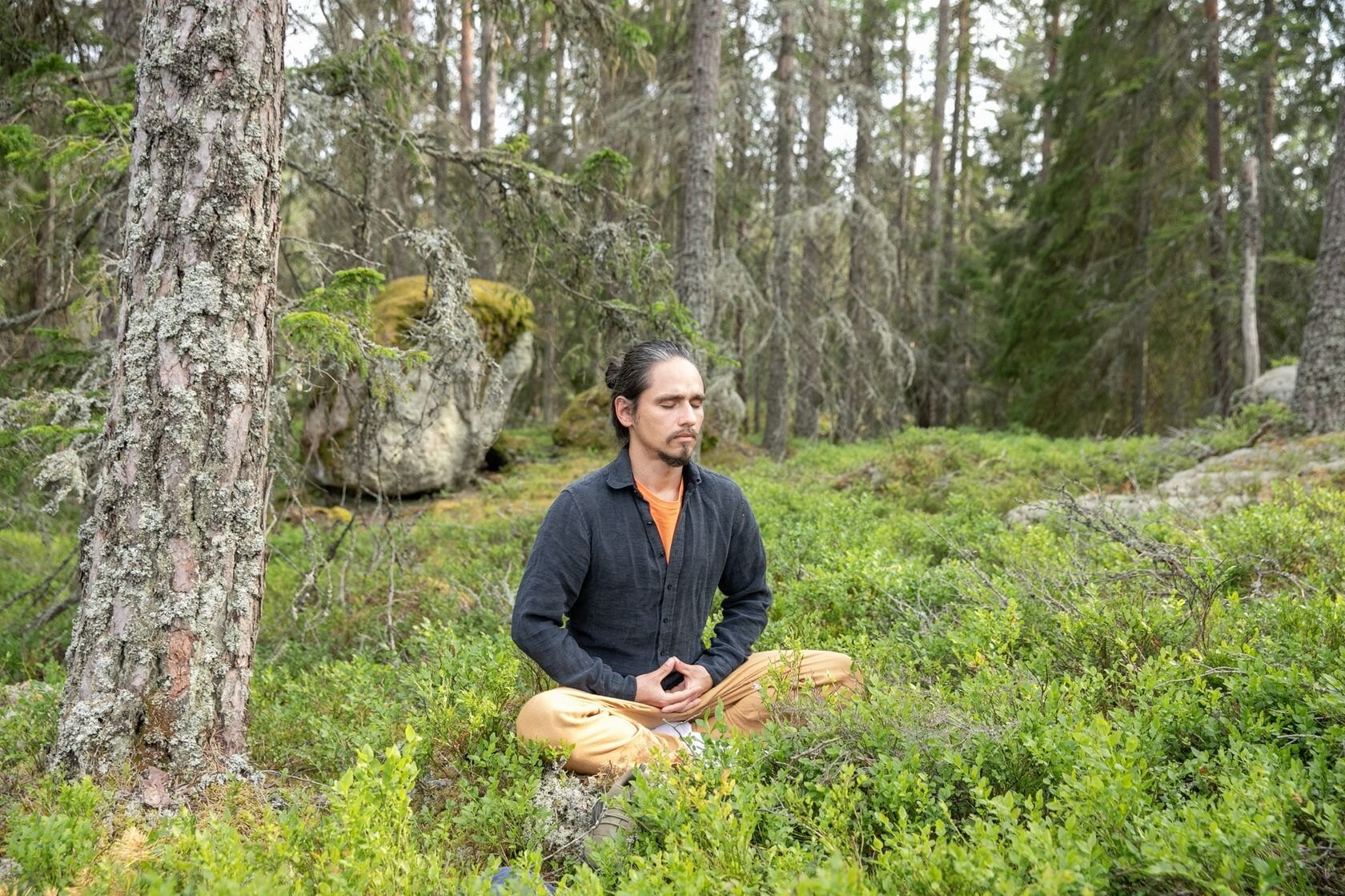
The way inward: spiritual practice, with meditation twice a day.
Ananda Marga means "the path of bliss." Prabhat Ranjan Sarkar (Shrii Shrii Ánandamúrti) founded it in Jamalpur, India, in January 1955, for "self-realization and the welfare of the universe."
Ananda Marga is the path. Ananda Marga Pracáraka Saḿgha (AMPS) is our organization, the one that carries that path to people: “the society that promotes the path of bliss.”
We teach authentic spiritual practices one to one and free of charge, to anyone of any religion or background. And we work for a world without exploitation, where no one is shut out by caste, race, nation, creed or sex, and every person has what they need to grow in body, mind and spirit.
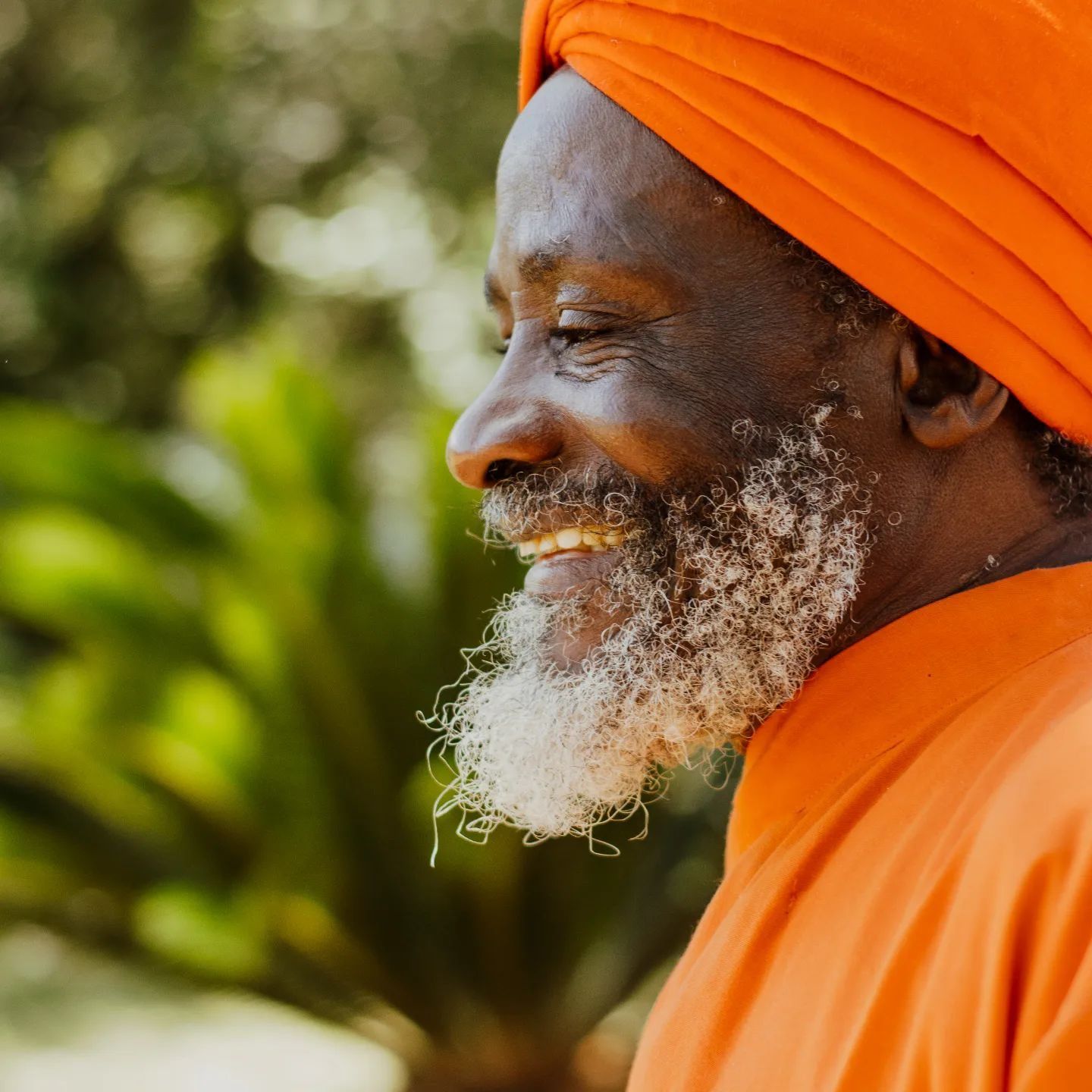


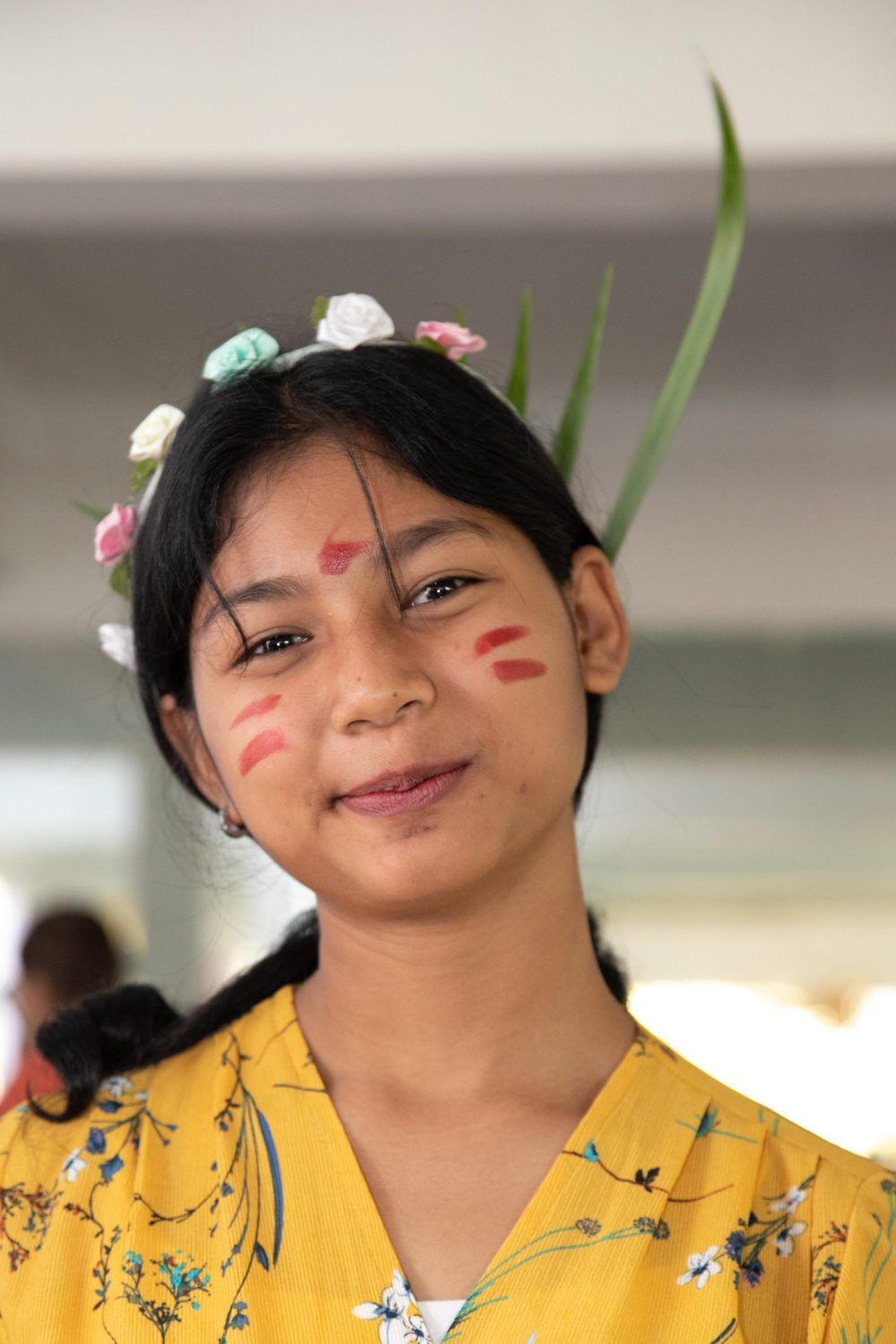



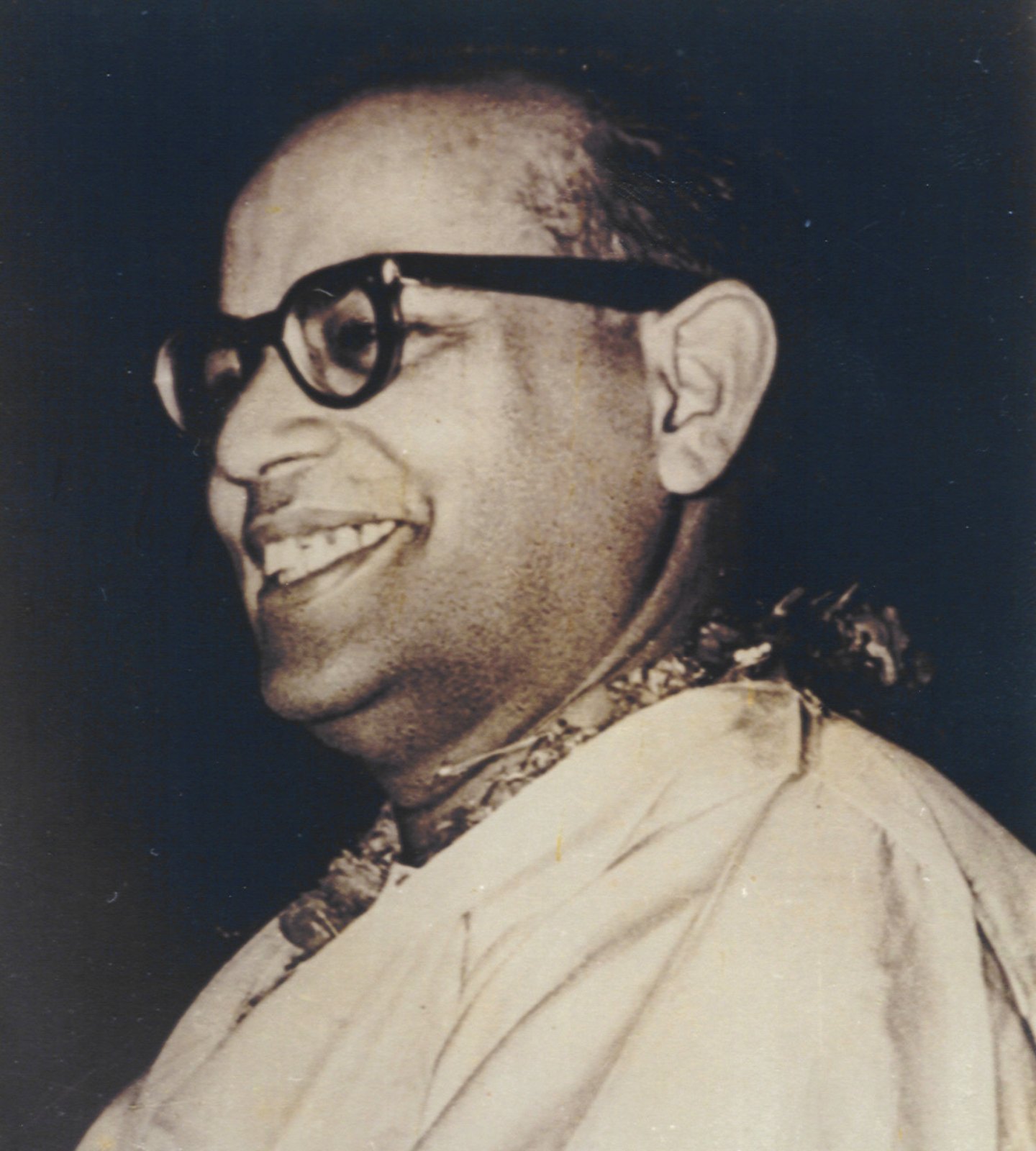
"It teaches adjustment to life, rather than giving up the world by leading a life of useless seclusion. It creates people who are fit for every walk of life, who do not make any distinction among their fellow beings, and who are joined together as one world community."
71
years of teaching and serving, since 1955
130+
countries where people follow his teachings
1M+
people taught meditation, directly and indirectly
Ananda Marga does not ask you to believe a creed or to leave your own faith. This is how we tell dharma from religion:
Religion’s way
Our way
"The ritualistic observances centred around the spatial and temporal factors cannot help in attaining the Eternal Entity, Parama Brahma. The sustained effort for psychic purification is the only means to become one with Him."
The way inward: spiritual practice, with meditation twice a day.
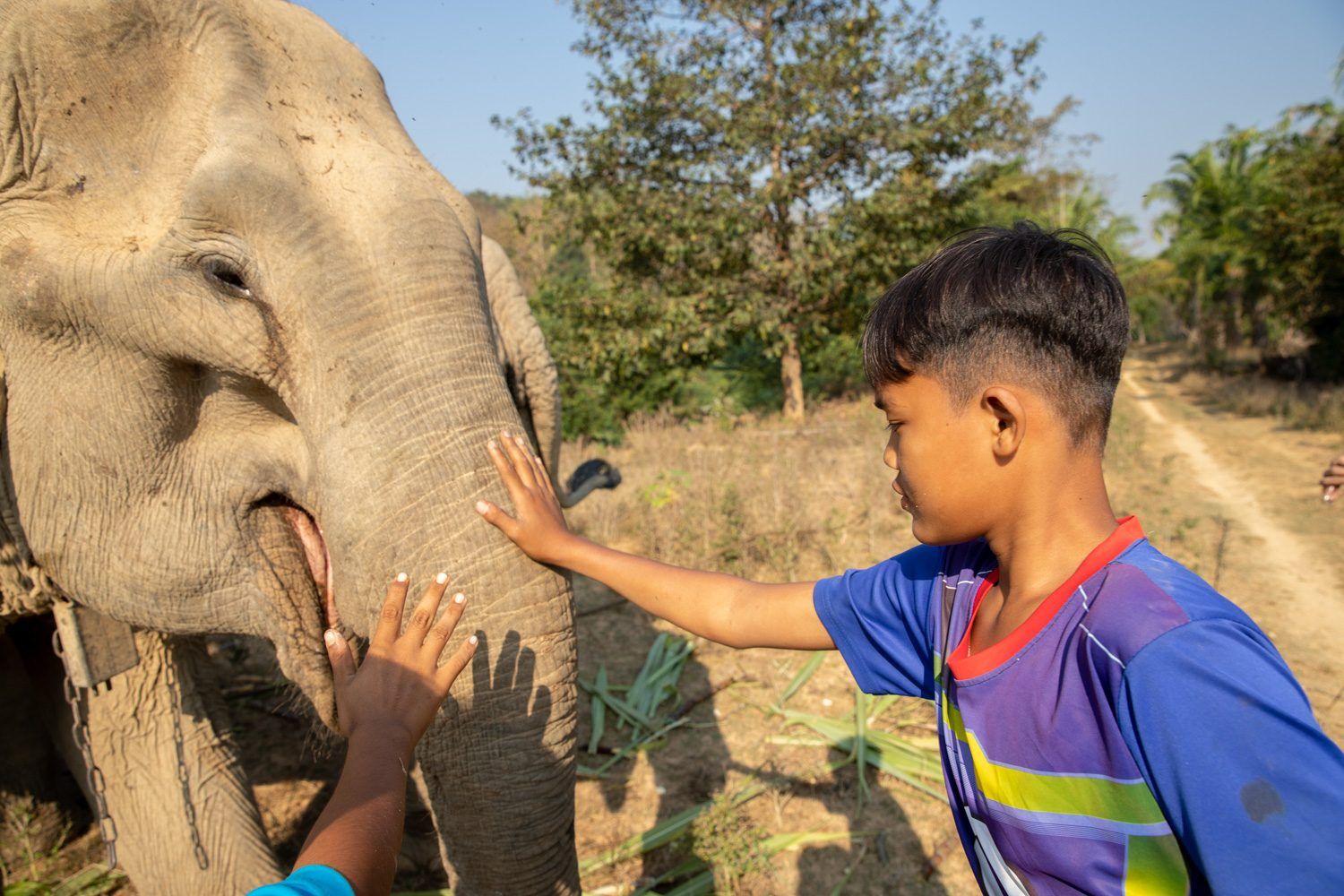
The way outward: teaching, relief work, schools, care for animals and plants.
Practice without service turns selfish; service without practice loses its direction. Inner growth and service are two wings of one bird.
The emblem of Ananda Marga, its pratiika, holds the whole path in one sign: two triangles, a rising sun, and inside the sun a svastika.
“A triangle with one vertex up superimposed on another triangle with one vertex down, with the rising sun having a swastika inside. These are symbols of energy, knowledge, advancement and permanent victory, respectively.”
The svastika is an ancient Indian sign; its name comes from the Sanskrit su asti, “it is well”. It was used for thousands of years before its misuse in the twentieth century, and in Ananda Marga it keeps its original meaning.
From a memoir
A disciple remembers that in Berlin Prabhat Ranjan Sarkar drew the svastika of Ananda Marga as the right-facing one, the positive, and its mirror image as the negative, and told them not to use the mirror one.
Our flag is a triangular saffron flag with a white svastika inside. It is the same svastika as in the pratiika, with its arms turning to the right.
“Giving a clarion call to the fragmented human society from beneath the saffron flag, the symbol of service and sacrifice, they will proclaim at the top of their voices, ‘Human beings of the world, unite!’”
A disciple writes that in India saffron had long been linked with renunciation and sacrifice, so the wholetime workers in saffron robes drew people’s eyes.Ác. Samanvayánanda Avadhúta, Glories of Bábá (1994), chapter 36
"Genuine spiritual practice is the birthright of all people."
At the center is meditation, taught one to one by a trained teacher, in stages, free of charge. It aims straight at the Supreme: no belief to accept, no ritual, no one in between.
A society where every person has what they need to grow in body, mind and spirit, and where no one exploits another. These are the answers Shrii Shrii Ánandamúrti gave, and the ones we work for.
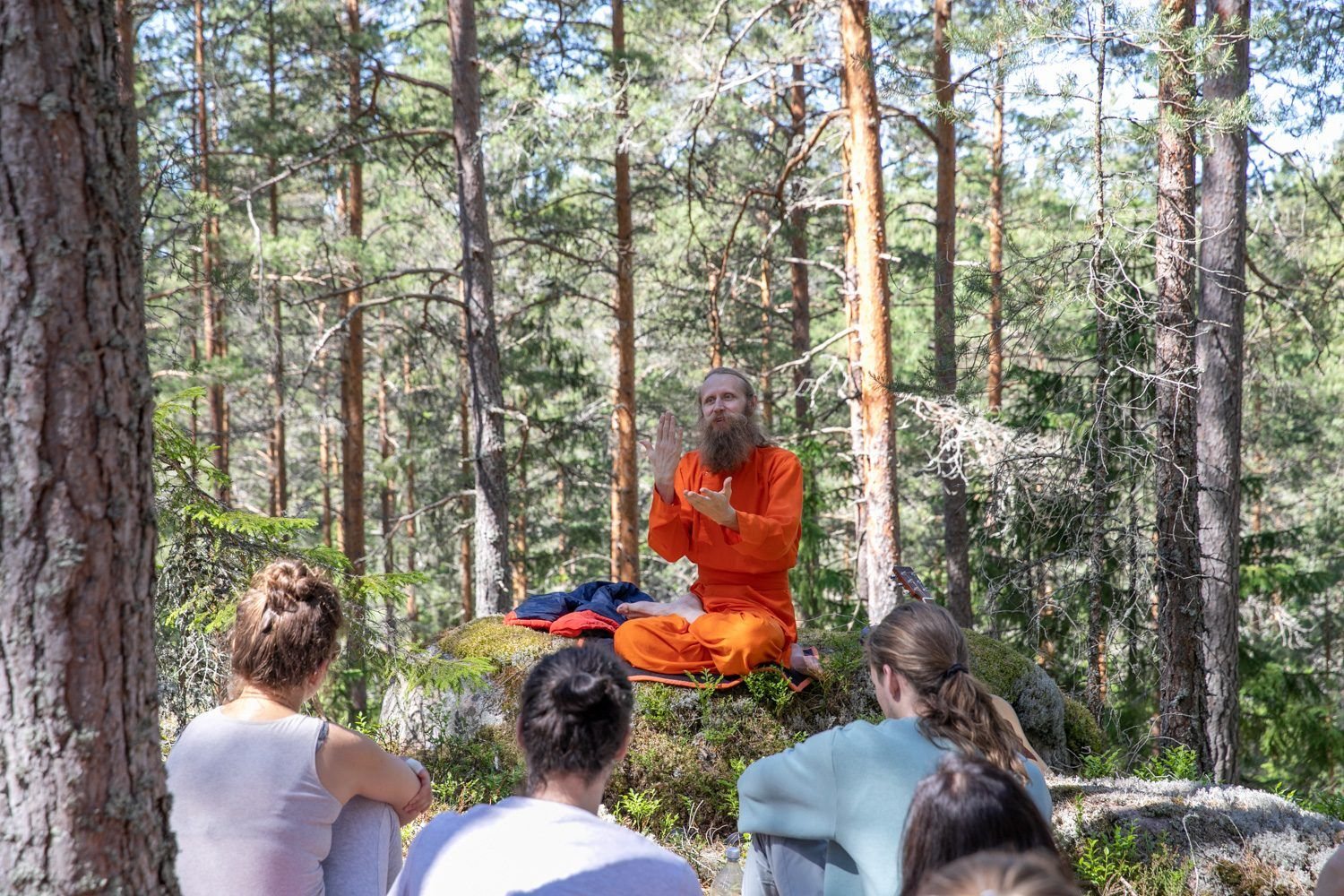
Religion often asks people to believe without asking, to follow rituals, and to let priests stand between them and God. Dogma of this kind divides people and holds the mind back. We stand for authentic spiritual practice that leads straight to the goal, with no rituals and no one in between, and for a philosophy that is rational and open to question: you test it in your own experience rather than take it on faith.
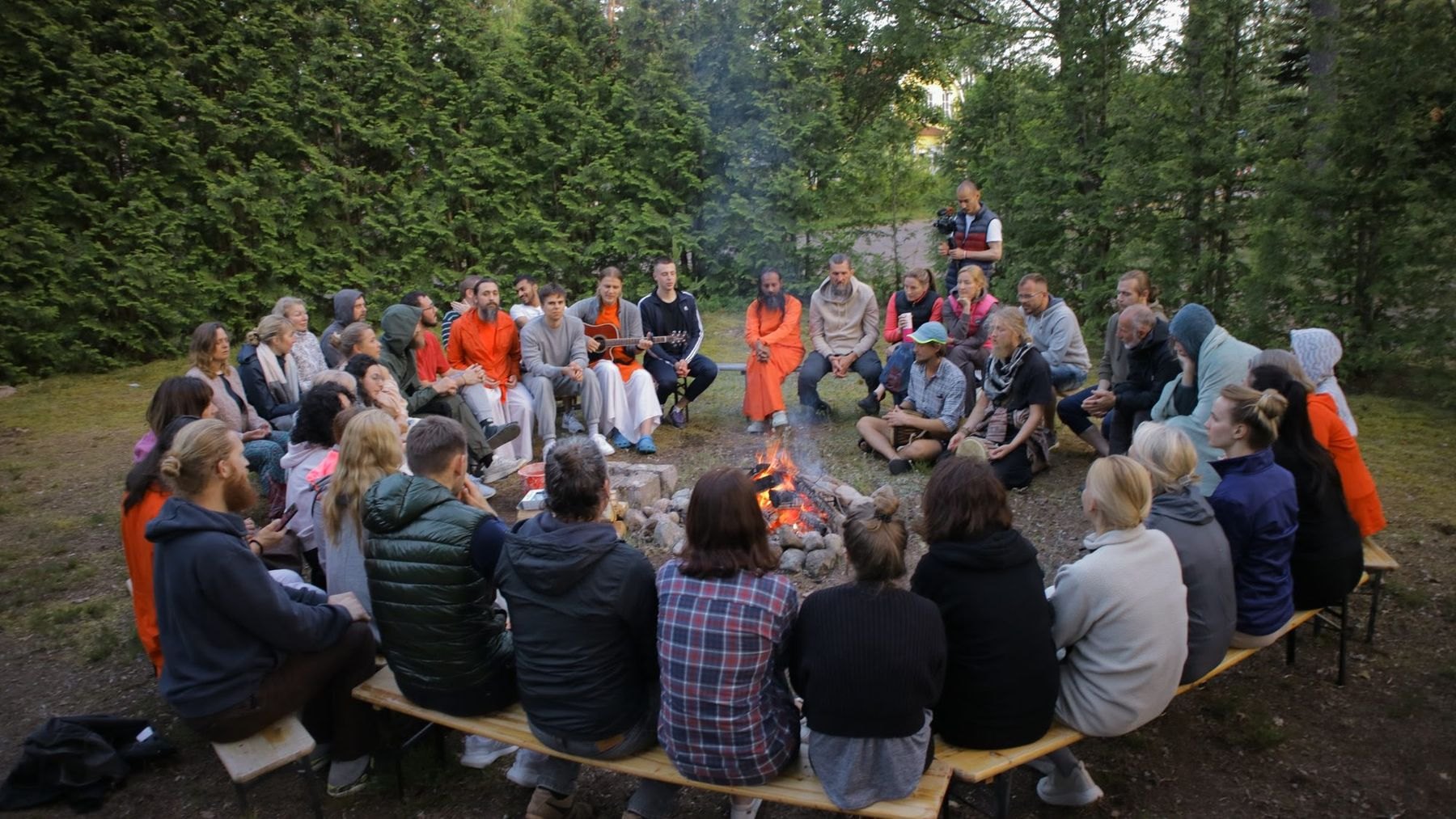
People are raised to love their own nation, caste, race or religion and to distrust the rest, and those who exploit them use these walls to keep them divided. We start from the opposite end: every being comes from the same source, so every human being belongs to one cosmic family, and our care reaches animals, plants and the earth too. Shrii Shrii Ánandamúrti called this Neohumanism.
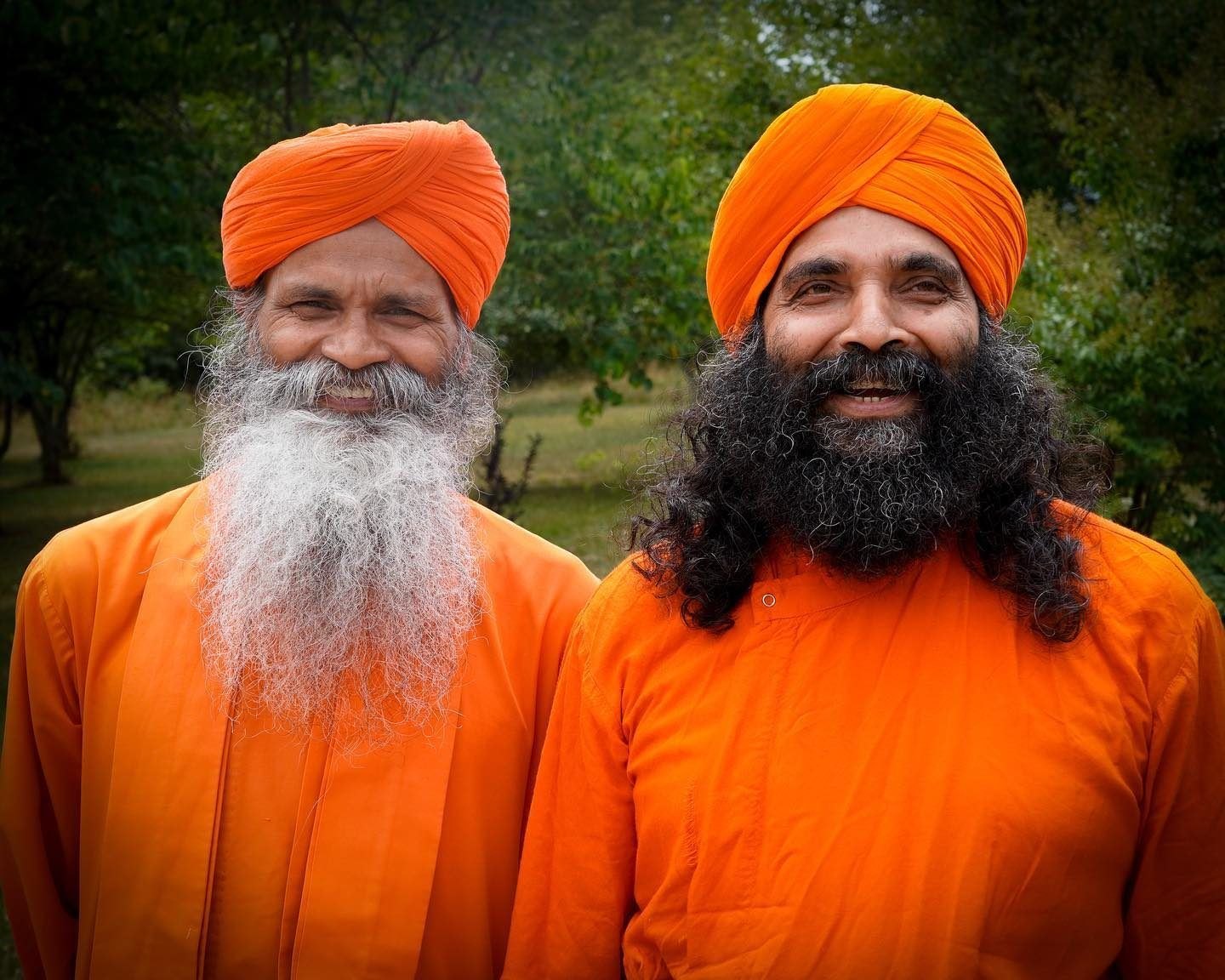
Power goes to those who can buy it or shout loudest, and any government turns tyrannical when no moral force checks it. We work to form people Shrii Shrii Ánandamúrti called sadvipras: established in spiritual practice and yogic morality, who do not lie, steal, cheat or take bribes, who serve without wanting anything back, and who stand up against injustice wherever they meet it. Society should be guided by them, and they are known by their conduct, not their titles.

Wealth piles up in a few hands while others go without food, a home or a doctor; neither capitalism nor communism has ended this. Shrii Shrii Ánandamúrti's answer is PROUT, the Progressive Utilization Theory: food, clothing, housing, medical care and education guaranteed to every person, and the guarantee raised as society grows richer; no one piling up wealth without society's consent; economic power in the hands of local people.
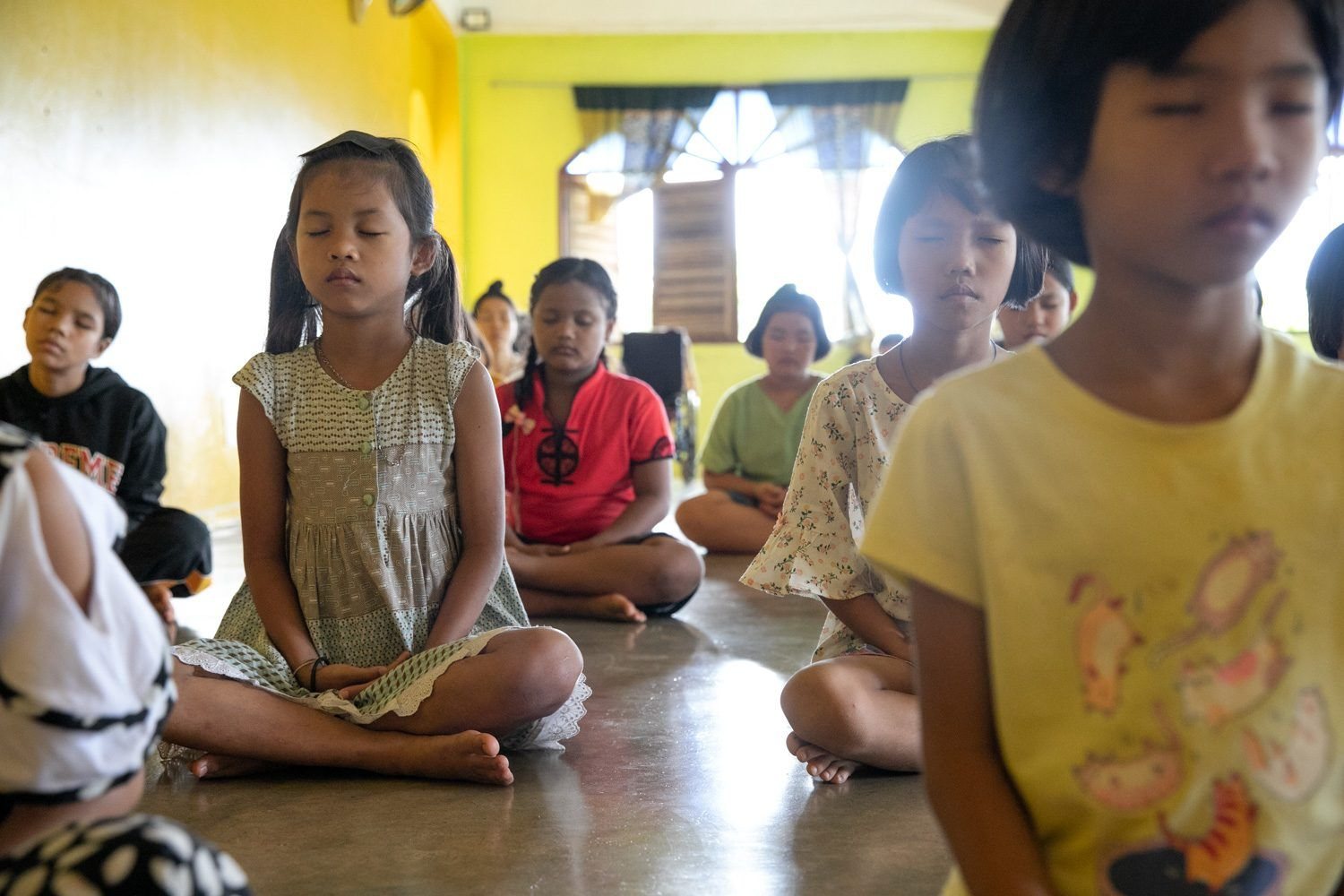
Schools pass on facts but not character, and what they teach bends to whoever holds political power. We want education for body, mind and spirit together, with morality and a universal outlook at its center; teachers chosen for character, not only certificates; schools run by educators, free of political interference and free of charge. Our own schools work this way.
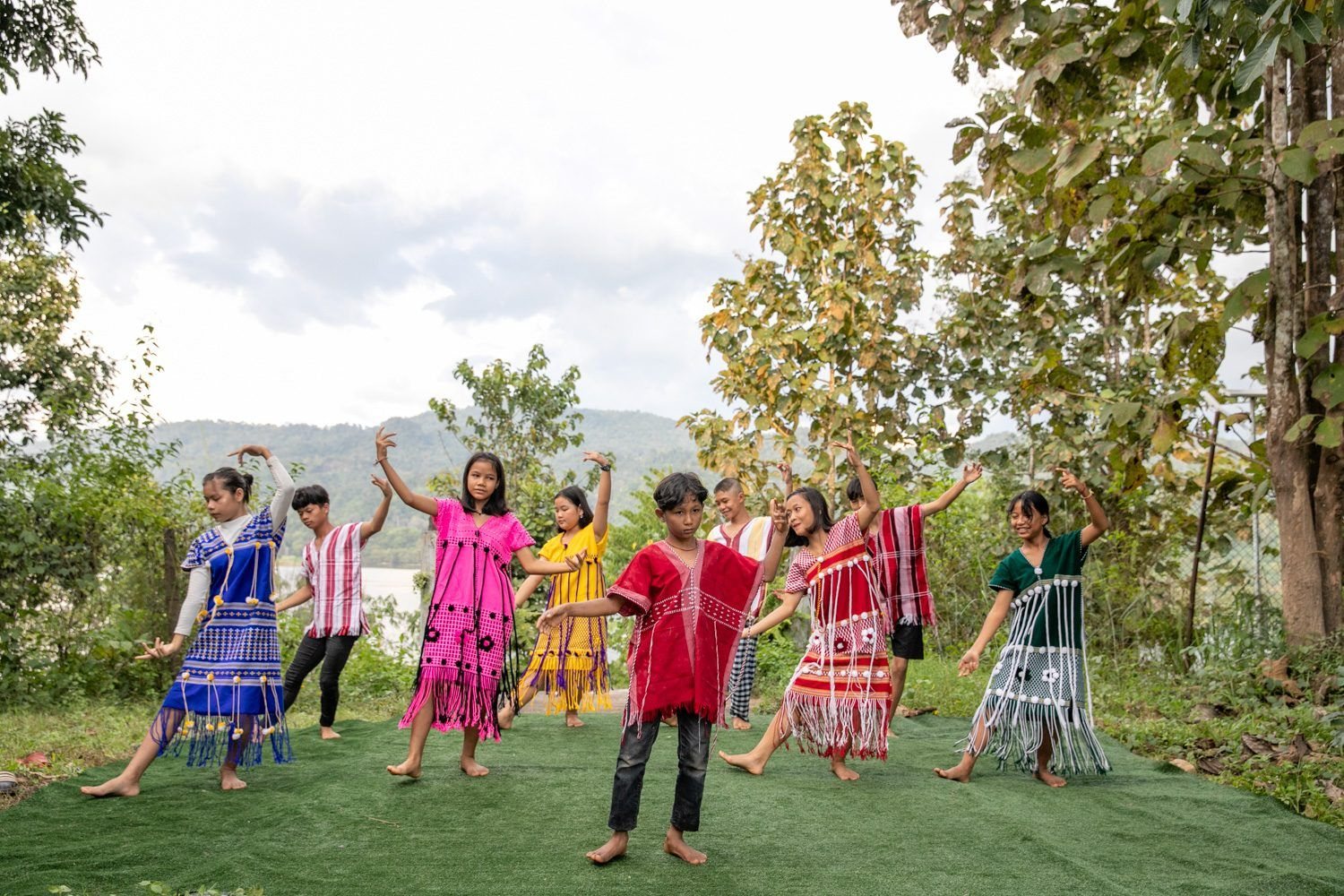
A commercial pseudo-culture, sold through the mass media, crowds out local languages and arts and leaves people easier to exploit. Human culture is one, with many local expressions: we protect every mother tongue and local art, and want the media free from vested interests. Shrii Shrii Ánandamúrti himself wrote 5,018 songs.
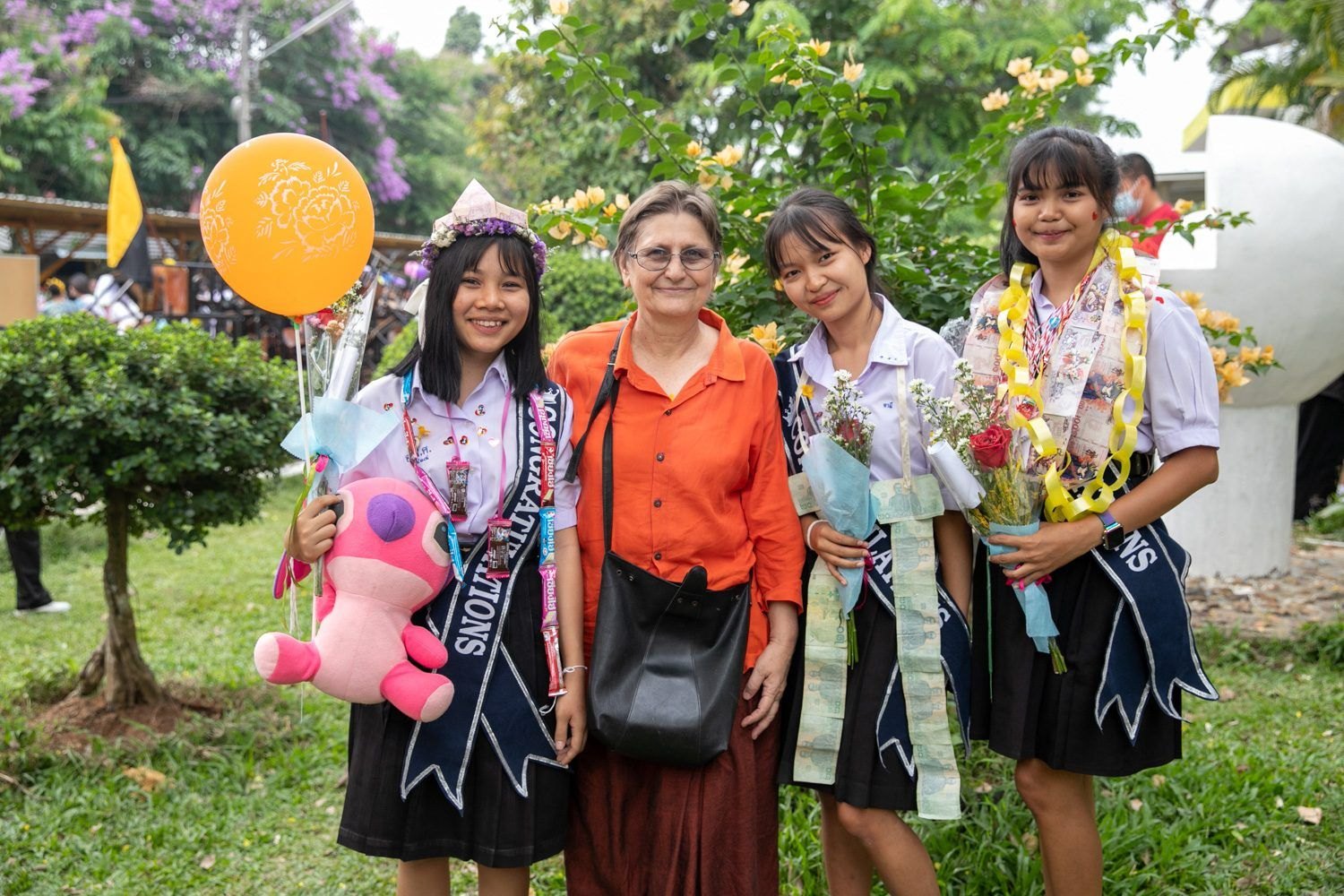
For centuries dogma has kept women dependent, uneducated and outside religious and public life. We stand for free education for all women, no discrimination in social, educational or religious life, and economic and social security for women. In Ananda Marga women teach and lead as men do.
In 1963 Shrii Shrii Ánandamúrti set up the Education, Relief and Welfare Section, ERAWS. It runs schools, orphanages, medical units, retirement homes, free kitchens, drug rehabilitation centers and homes for shelterless women around the world. Its relief arm, AMURT, the Ananda Marga Universal Relief Team, has brought help after fire, flood, typhoon, earthquake and war, and has received citations from the United Nations, the Red Cross and many governments.
Inner practice and the work for a just society are one work, never two stages.



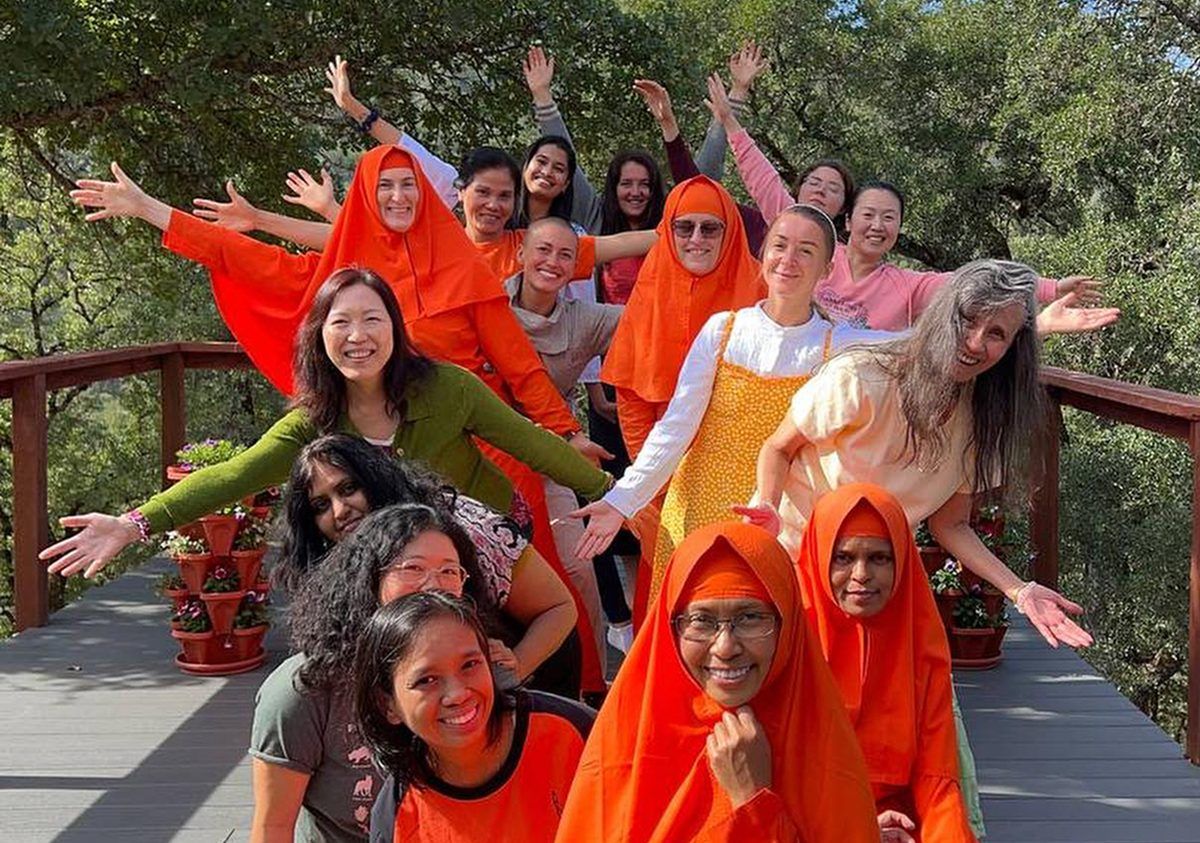
Ananda Marga is one organization, from the smallest village group to the global center. Most people in it live a family life and practice at home; some teach; some give their whole life to the work as monks and nuns.
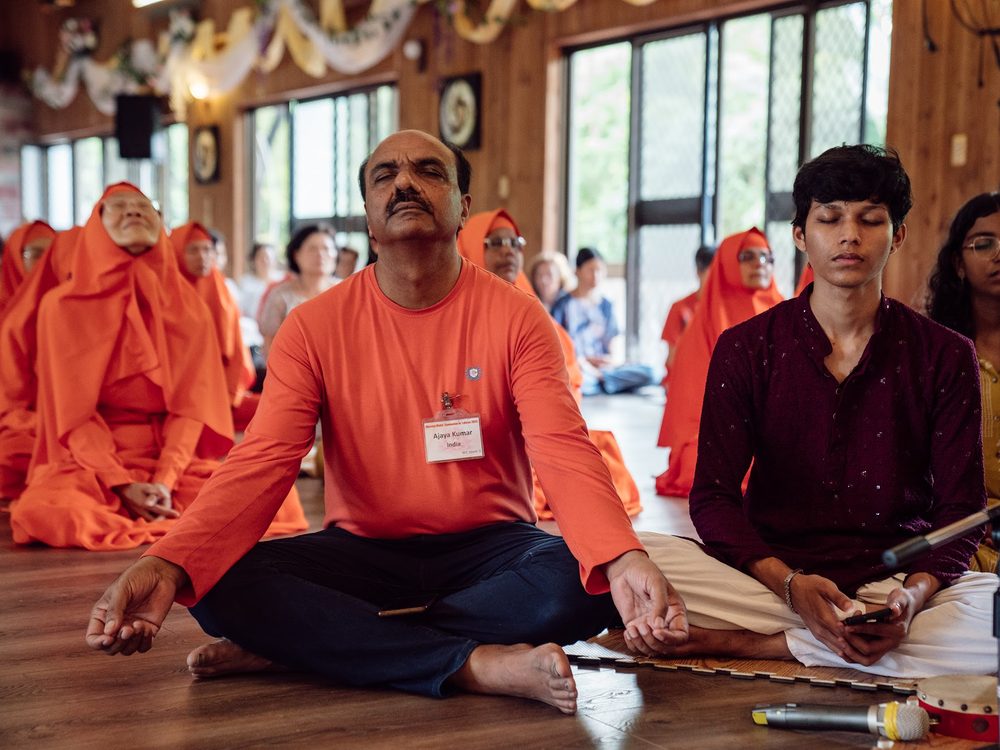
Practitioners who meditate and live by the sixteen points while keeping their jobs and families. Every margii takes part in the weekly group meditation, Dharmacakra.
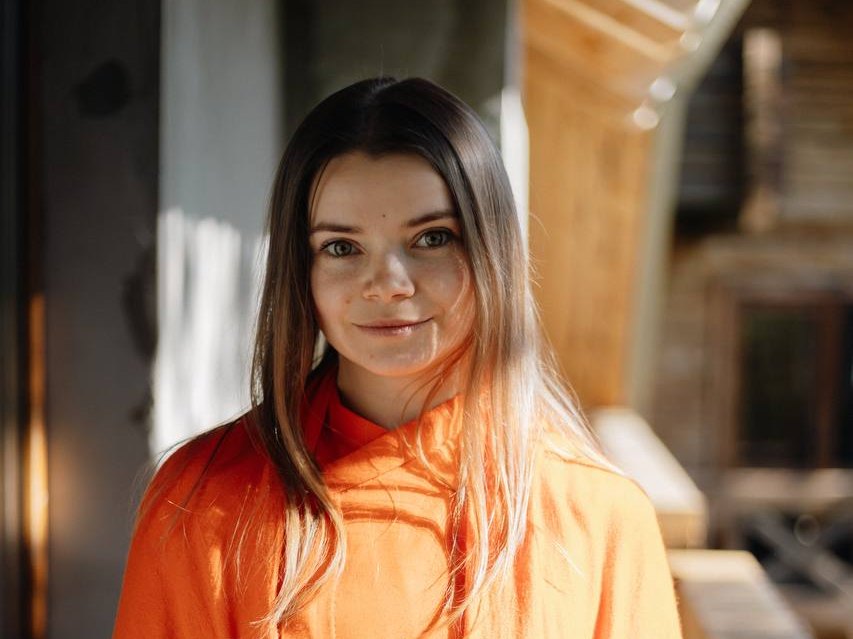
Margiis who give a period of their life to full-time work in their own area or country, without monastic vows.
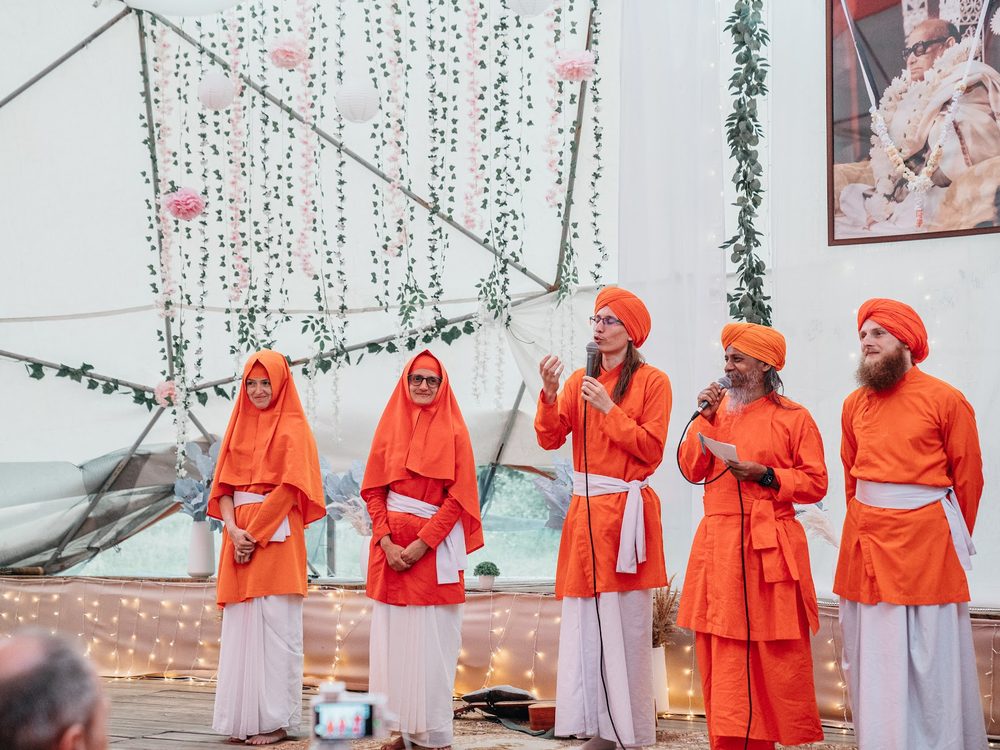
Teachers who give initiation into meditation, always free of charge. Most are monks and nuns (avadhútas and avadhútikás) who have taken vows of renunciation and work wherever they are posted; family people can become ácáryas too.
The world is divided into nine sectors, and each sector down to the village. Under every level sits the unit: at least five practitioners who meet every week, practice together and run service projects together.
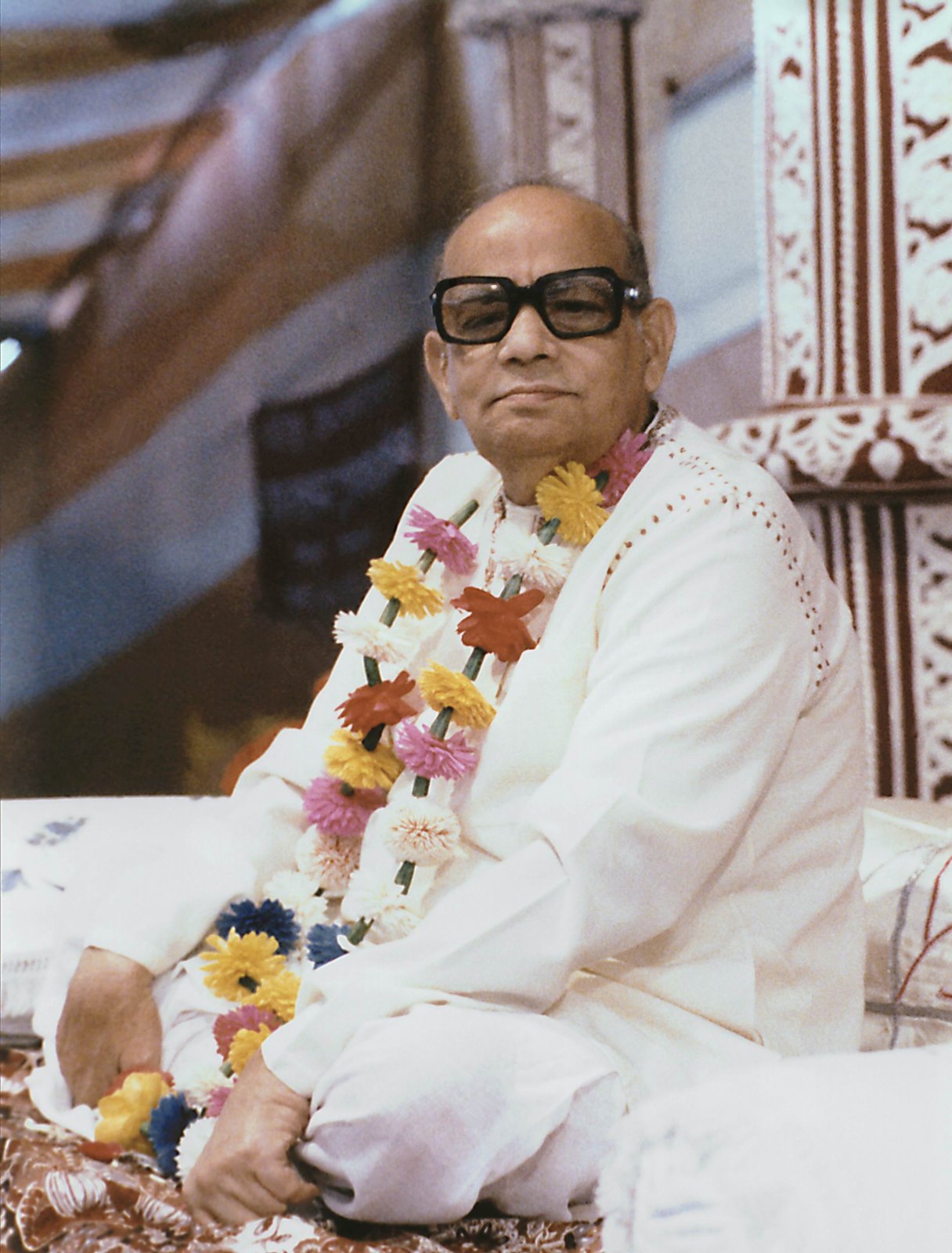
Prabhat Ranjan Sarkar (Shrii Shrii Ánandamúrti, 1921–1990) set out to end exploitation in every form: of the poor by the rich, of women by men, of one caste, race or nation by another. To each person, a spiritual practice; to society, a plan to rebuild it.
Prabhat Ranjan Sarkar worked as a railway accountant in Jamalpur, Bihar, gave the first initiation in 1939 and founded Ananda Marga in 1955. Over 100 books followed, on spirituality, philosophy, economics, history and language, and 5,018 songs. Shrii Shrii Ánandamúrti left the body in Calcutta on 21 October 1990.
Read about Shrii Shrii Ánandamúrti’s lifeLoading the map…
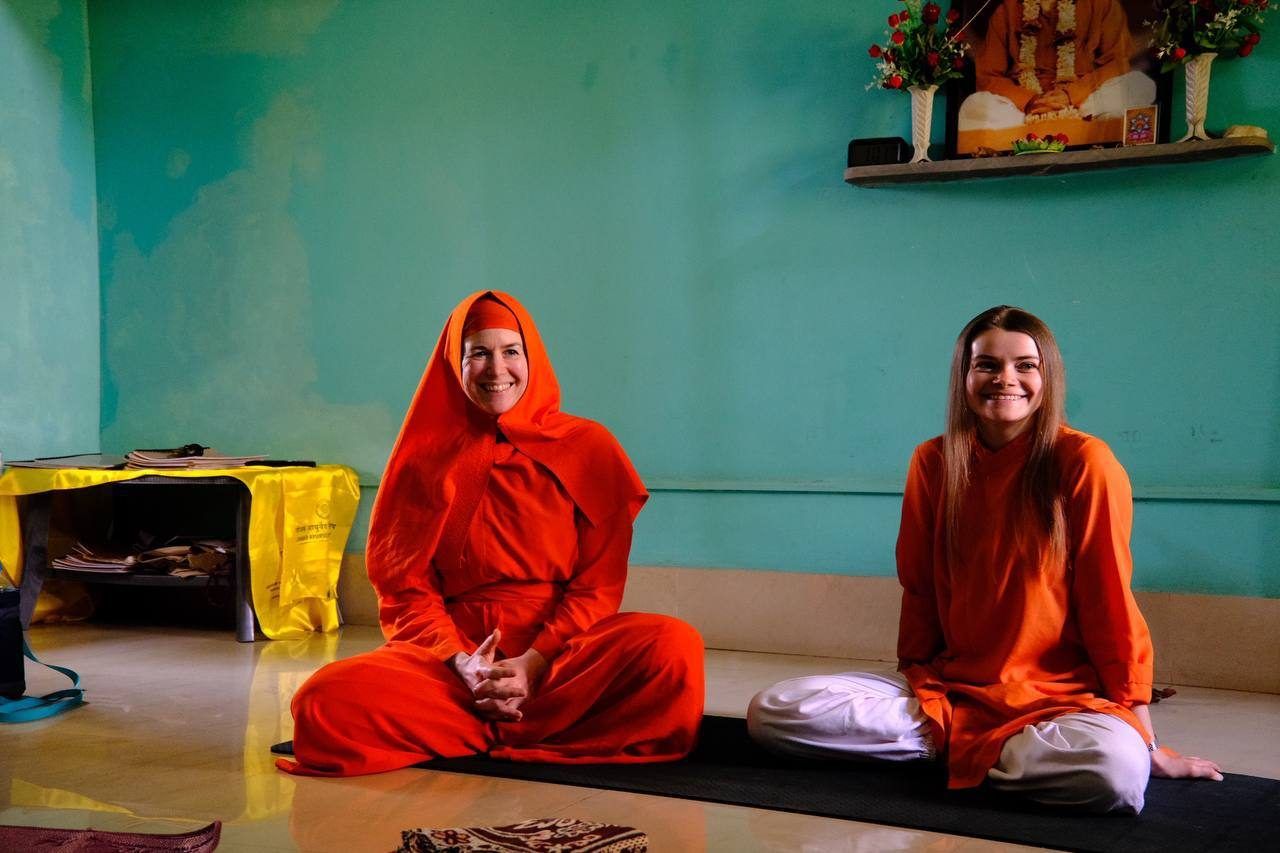
An ácárya will teach you one to one, free of charge. You need no experience, and you do not need to change your religion.
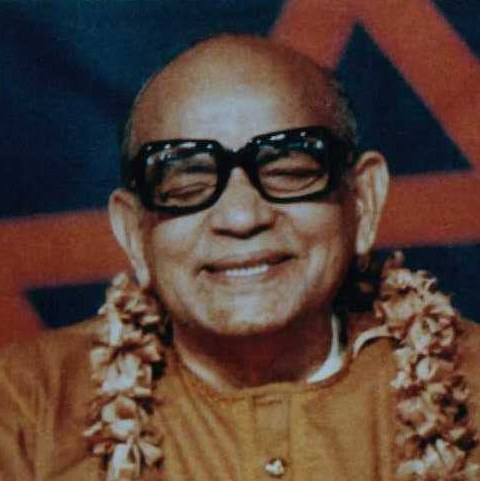
"We must not forget, even for a single moment, that the entire animate world is a vast joint family."