
Margiis
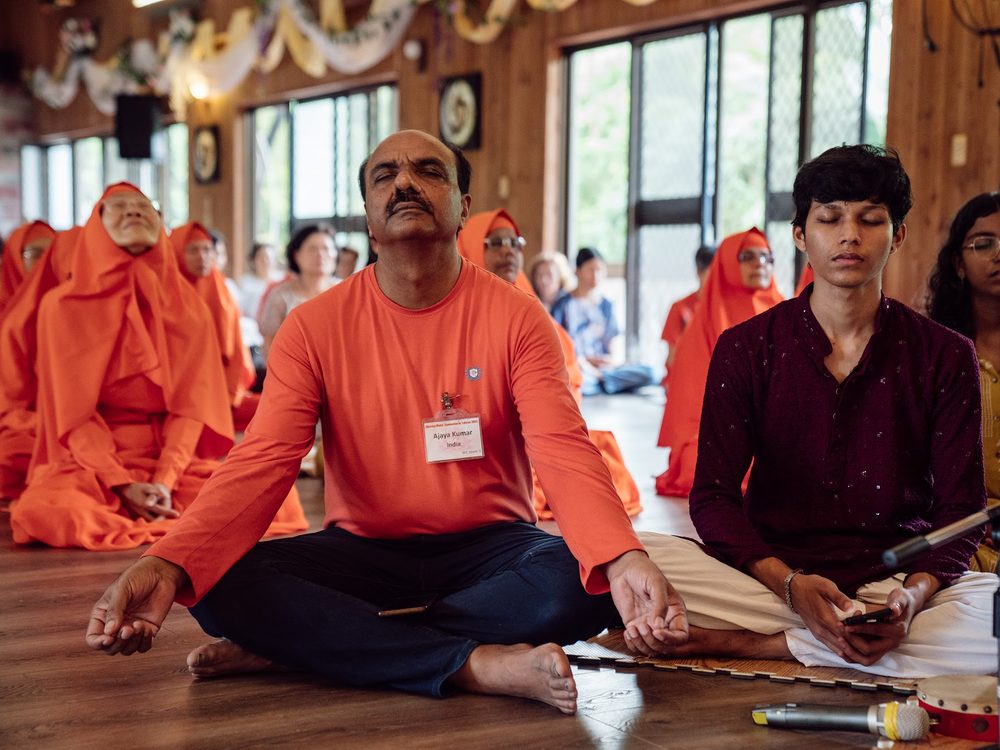
Practitioners who meditate and live by the sixteen points while keeping their jobs and families. Every margii takes part in the weekly group meditation, Dharmacakra.
Today, you should remember that Ananda Marga is not limited to a handful of honest and intellectual people. Rather, it is trying to rally thousands of people under the banner of one sublime ideology.
One organization from the village to the global center. Every level has the same departments and the same rules, written by Shrii Shrii Ánandamúrti himself in Caryácarya. Here is who is in it, how it is divided, and who leads it.
Most people in Ananda Marga live a family life and practice at home; some teach; some give their whole life to the work as monks and nuns. Each of these ways has its place in the structure.
Practitioners who meditate and live by the sixteen points while keeping their jobs and families. Every margii takes part in the weekly group meditation, Dharmacakra.
Local full-timers: margiis who give a period of their life to full-time work in their own area or country, without monastic vows.
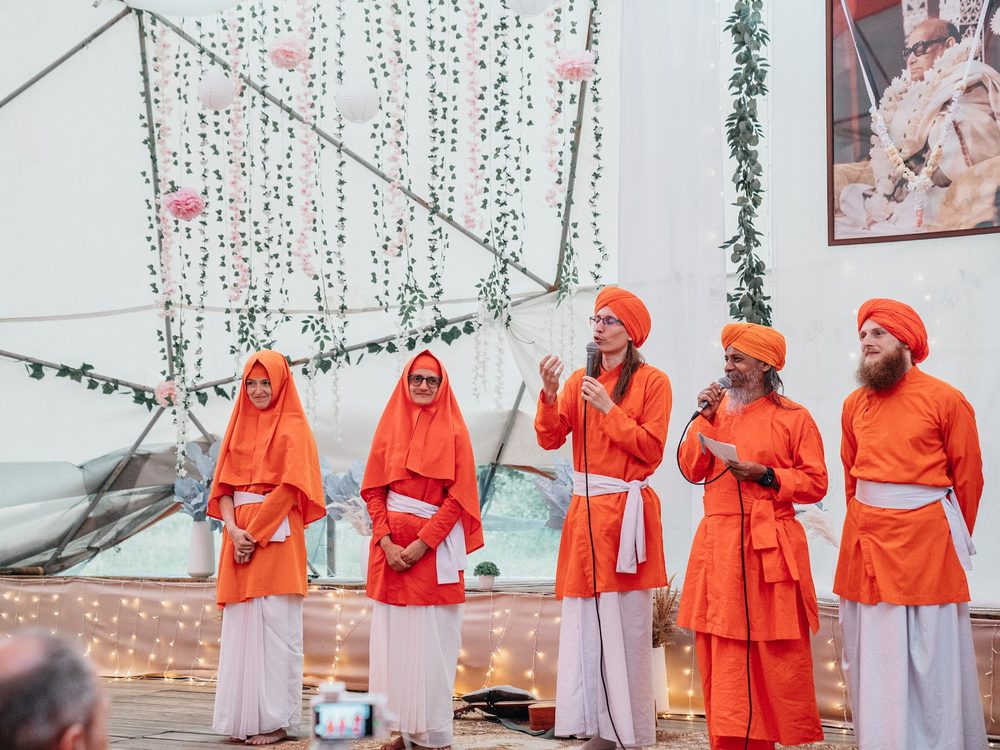
Teachers who give initiation into meditation, always free of charge. Most are monks and nuns (avadhútas and avadhútikás) who have taken vows of renunciation and work wherever they are posted; family people can become ácáryas too. All pass the same training and an examination before a board.
Every country belongs to a sector, and every sector is divided down to the village. Each level has its secretary, and the lower levels have committees elected by local members.
A plan made at the center reaches a village through the same chain everywhere.
The General Secretary, the structural head of the organization, passes a plan to the department it concerns.
Its secretaries carry the plan down through the sector, the region, the diocese and the district.
Where it has been formed, a board of three to seven margiis, not monks or nuns, serving three-year terms (ACB), turns it into a local program.
The units and their volunteers carry it out: a date, a place and people for every task.
For example, a decision to open more children’s homes goes from the General Secretary to the education and relief department, down to a district, where the local board chooses the town, the building and the people.
The structure is designed so that every department works at every level, from the village to the center; in practice many places have only some of them so far. Where a department works, its secretary answers to two people: the general secretary of that level and the head of the same department above.
The offices that keep the whole structure working.
The largest department: schools, relief and care.
Run by women, for the all-round development of women.
Work that makes the mission self-sufficient.
Family life, the social code, artists and thinkers.
How the ideas and the work reach the public.
Four bodies beside the departments, with their own names, sections and guidebooks.
The rules for the central bodies were written by Shrii Shrii Ánandamúrti himself in Ananda Marga Caryácarya. This is how they work.
The spiritual and institutional head, elected for life by the purodhás. Chairs the Central Purodhá Board, whose decision is final in any serious dispute.
The boards: the teachers and their discipline
Chaired by the Purodhá Pramukha; three more members, five-year terms.
Eight members elected by the ácáryas.
Twelve members elected by the táttvikas.
Four members elected by the monks and nuns.
Appeals: Táttvika Board → Ácárya Board → Purodhá Board. Board decisions go to the Purodhá Pramukha for approval.
The administration: the work of the organization
Fifteen to sixty purodhás elected by the purodhás; the Purodhá Pramukha is its president ex officio. Beside it sit the central finance and planning committees.
Formed by the president (usually the Purodhá Pramukha) to run the work day to day.
The structural head: every sector and every department reports to this office.
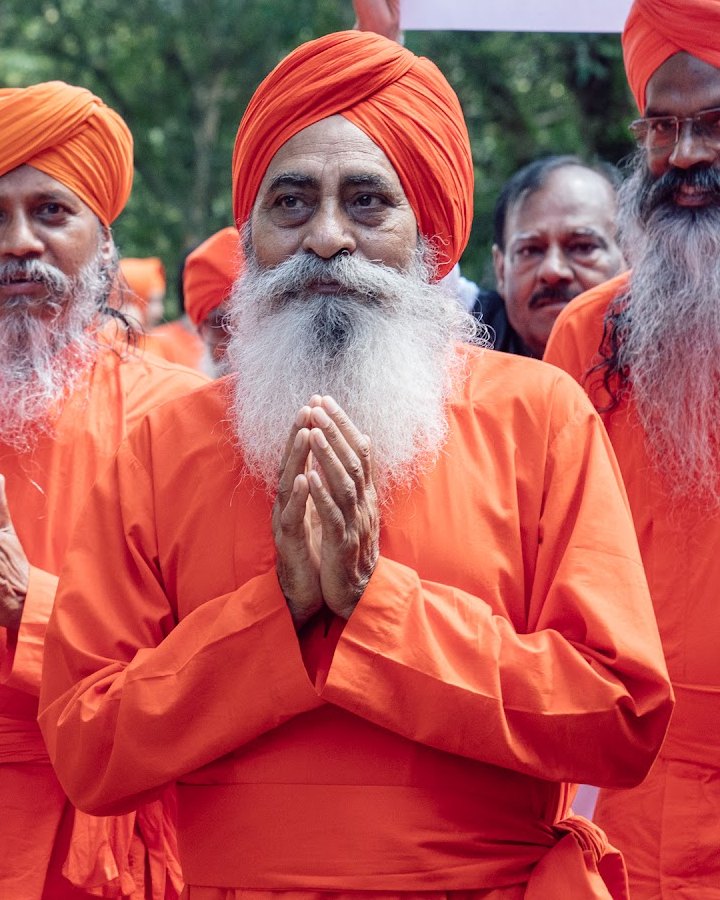
Purodhá Pramukha since 2008
The Purodhá Pramukha is the spiritual and institutional head of Ananda Marga, elected for life by the purodhás. He chairs the Central Purodhá Board, whose decision is final in any serious dispute, and is president ex officio of the Central Committee.
He succeeded Ácárya Shraddhananda Avadhuta, Purodhá Pramukha from 1990 to 2008.
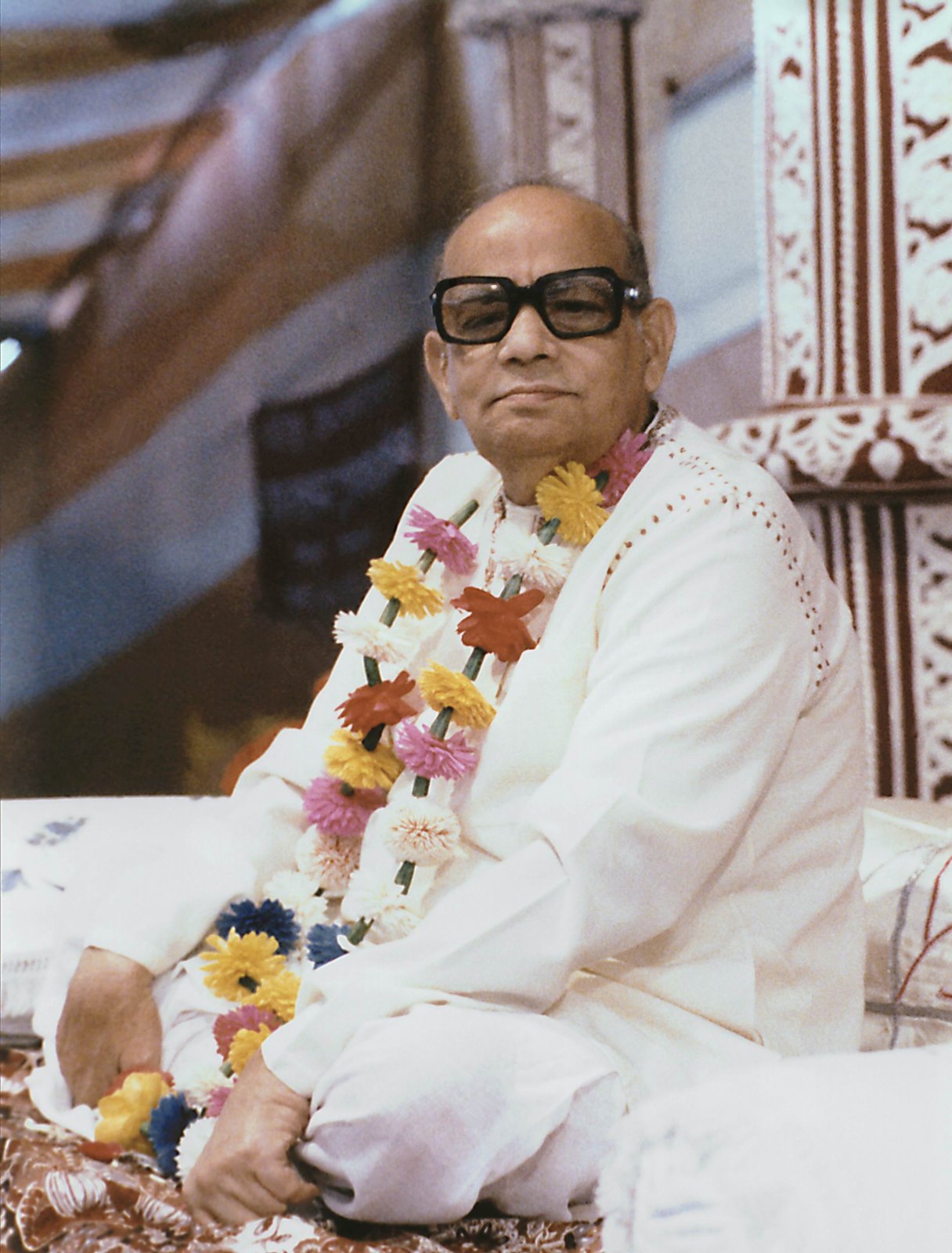
"They will have to keep especially strict vigilance on unity and order. Do not allow distinctions to crop up among Ananda Margiis. Unity should be maintained even at the risk of one’s life."