Ananda Marga
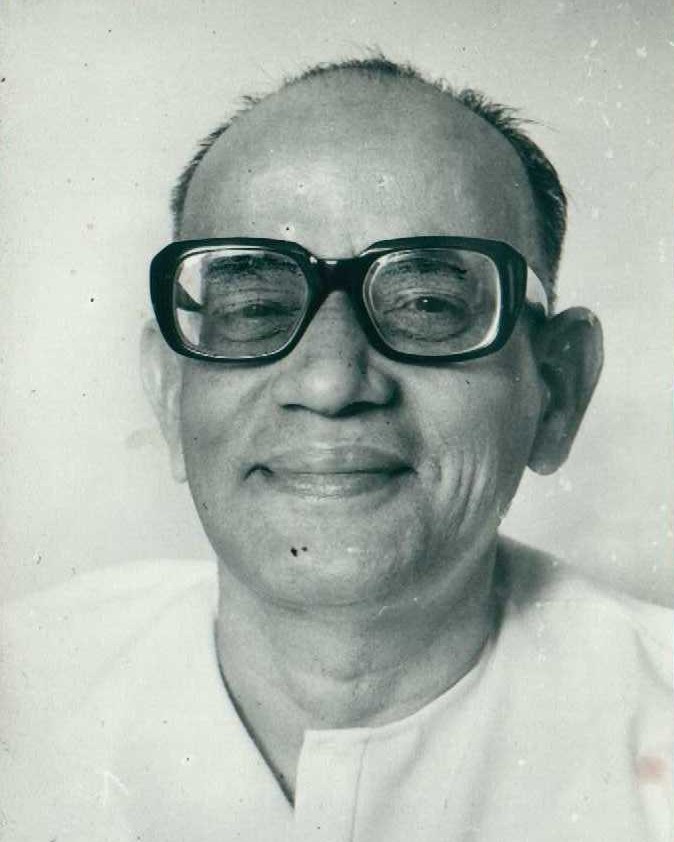
Prabhat Ranjan Sarkar, smiling, in glasses, turned to the left

Our Founder

Shrii ShriiÁnandamúrti

Prabhat Ranjan Sarkar · 1921–1990

Born in Jamalpur, a railway town in Bihar, India.

Teacher of meditation, philosopher, composer of 5,018 songs.

In 1955 Shrii Shrii Ánandamúrti founded Ananda Marga.

Our Founder

Portrait of Prabhat Ranjan Sarkar, smiling, in glasses

Prabhat Ranjan Sarkar (Shrii Shrii Ánandamúrti, 1921–1990) set out to end exploitation in every form: of the poor by the rich, of women by men, of one caste, race or nation by another. To each person Shrii Shrii Ánandamúrti gave a spiritual practice; to society, a plan to rebuild it.

"I want every man to be guaranteed the minimum physical requirements of life; every man to get scope for the full exploitation of his psychic potentiality; every man to get equal opportunity to attain absolute truth; and, endowed with all the glories and achievements of the world, to march toward the Absolute."

A life in brief

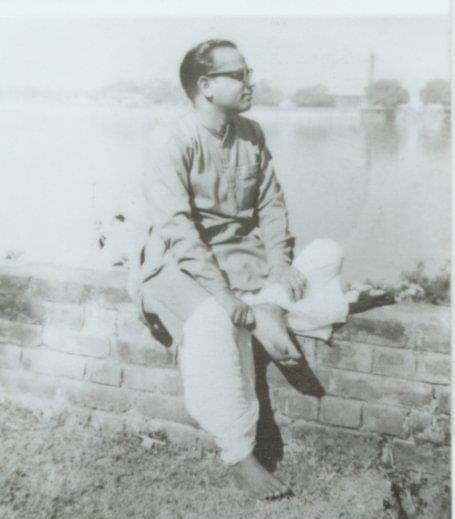
Prabhat Ranjan Sarkar as a young man at Barachpur, West Bengal
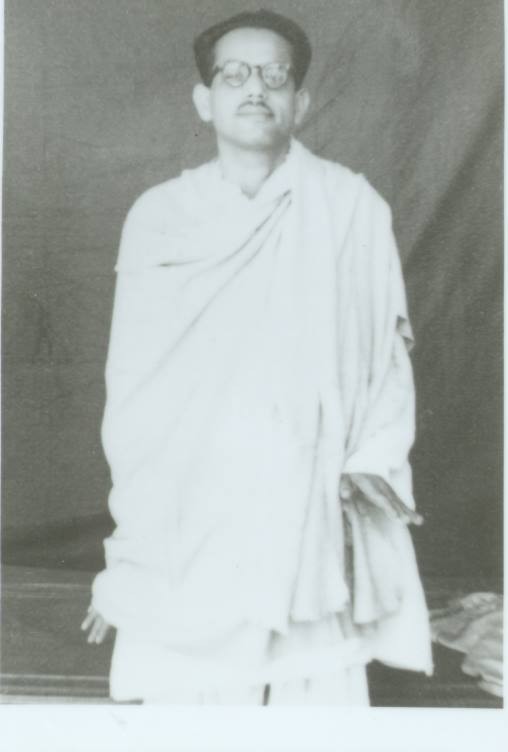
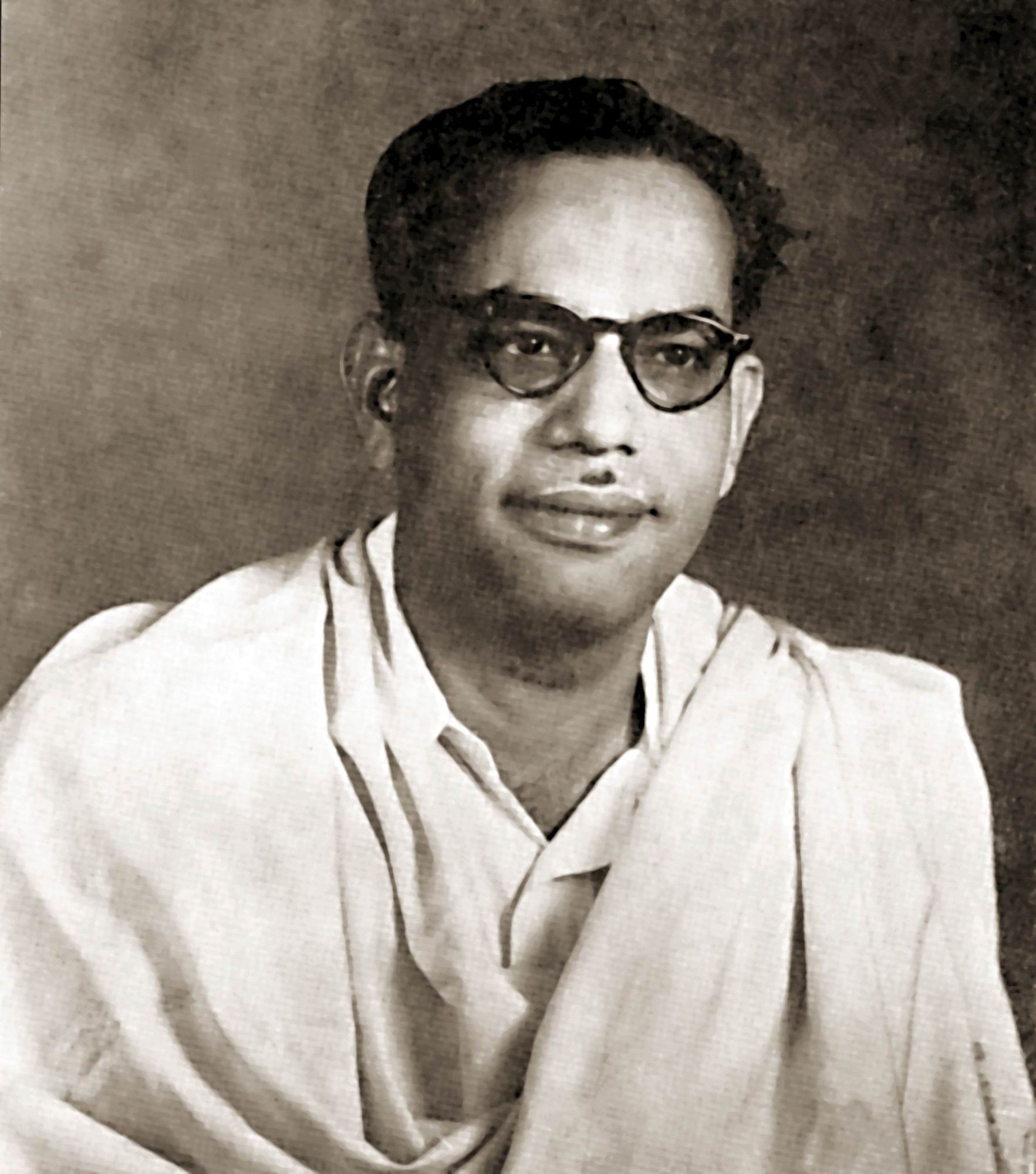
Young Prabhat Ranjan Sarkar standing in a white shawl, with glasses and a moustache (black and white)
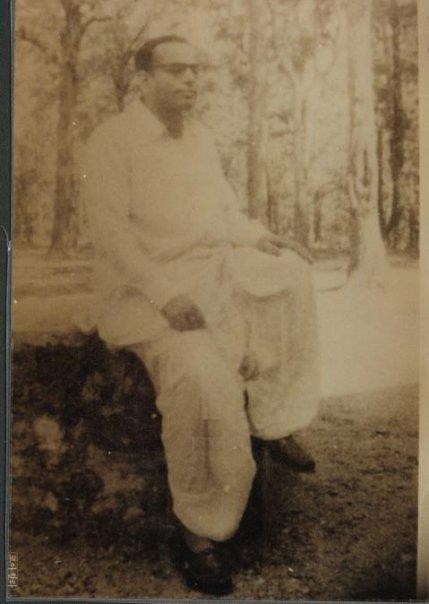
Young Prabhat Ranjan Sarkar seated on a log in a grove of tall trees (sepia)
Shrii Shrii Ánandamúrti in a studio portrait, in dark glasses and a white shawl (sepia)
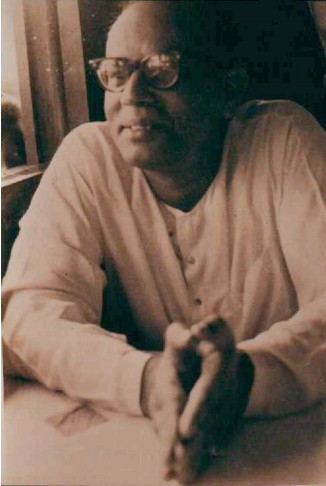
Close portrait of Shrii Shrii Ánandamúrti with folded hands, looking toward a window (sepia)
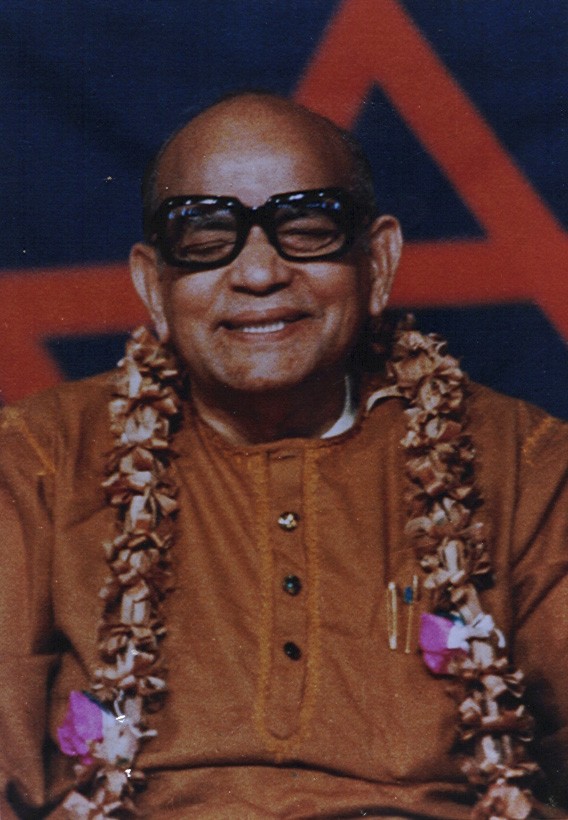
Shrii Shrii Ánandamúrti smiling in an ochre kurta and a garland of wood shavings
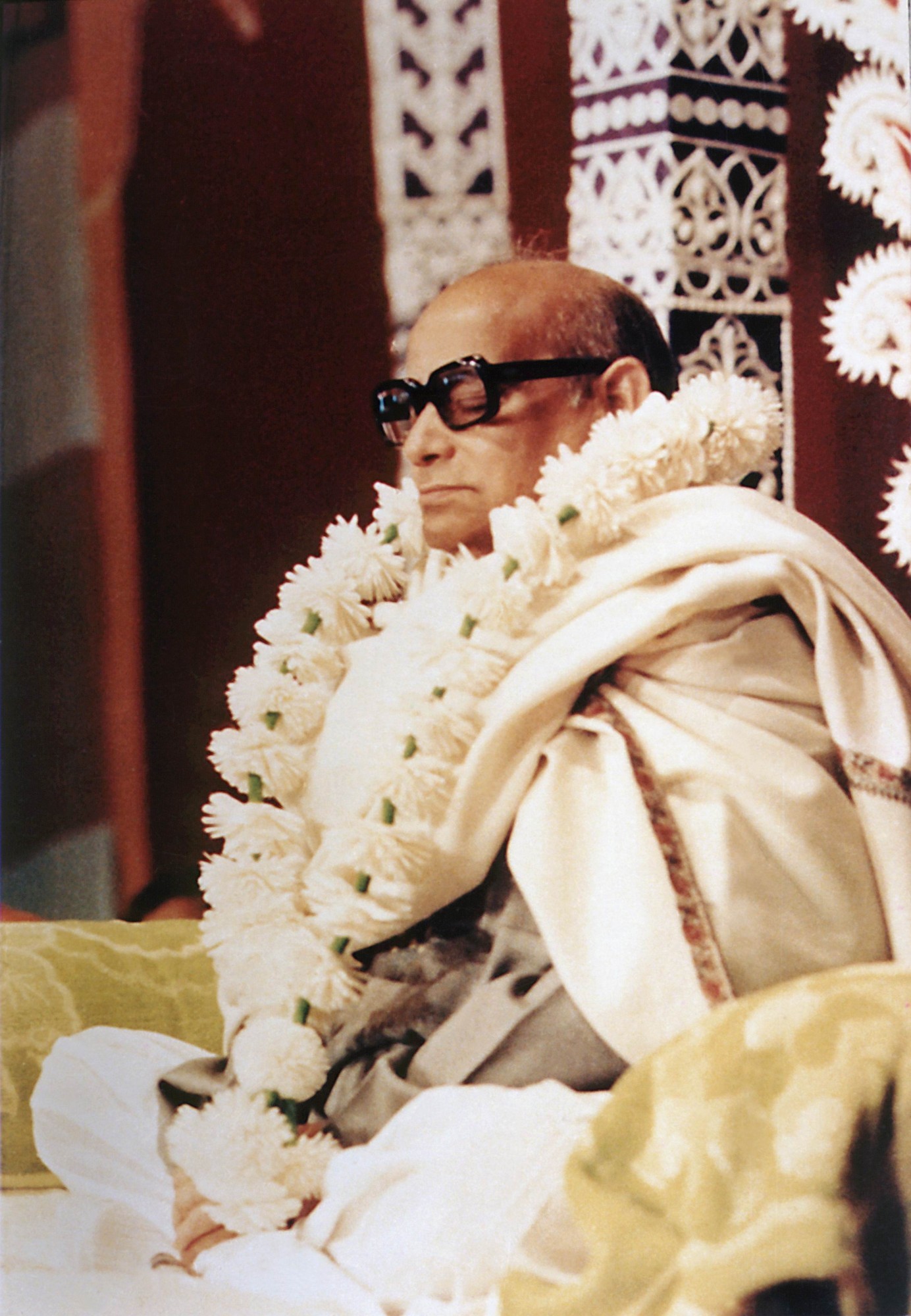
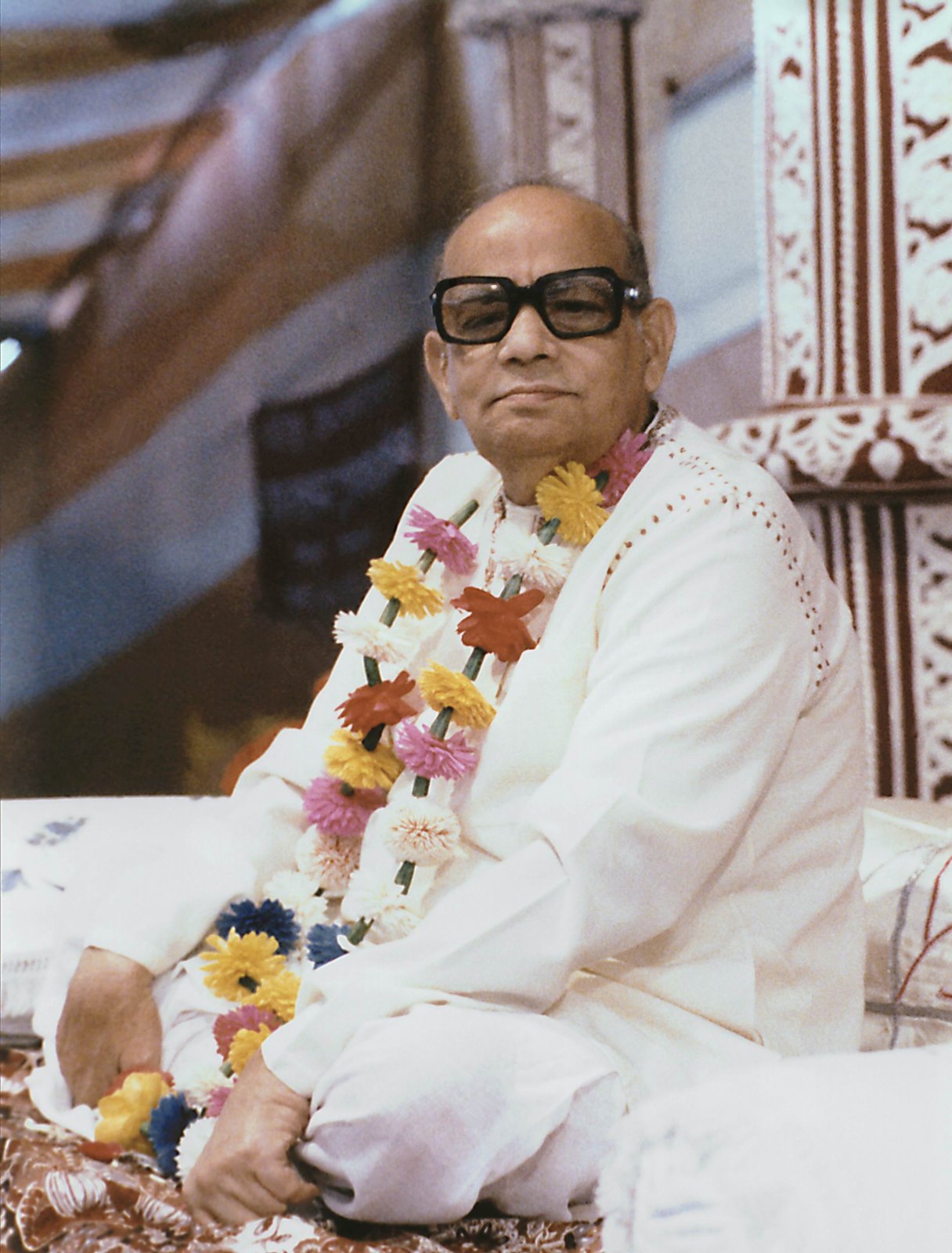
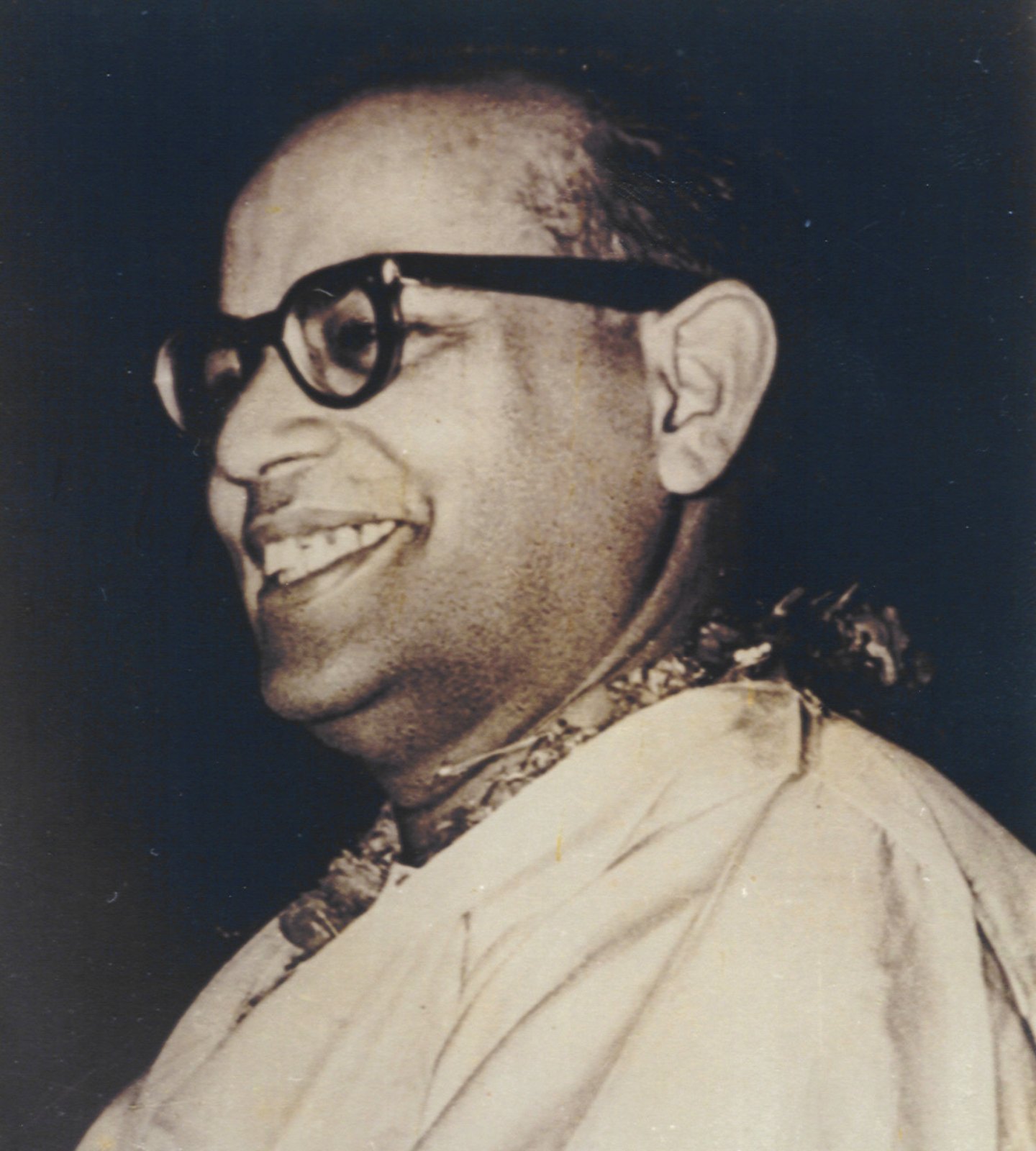
Shrii Shrii Ánandamúrti in profile, eyes closed, in a cream shawl and a heavy garland of white flowers
  1. Prabhat Ranjan Sarkar was born in 1921 in Jamalpur, a railway town in Bihar, India.

  2. At eighteen, as a science student in Calcutta, Prabhat Ranjan Sarkar gave the first initiation, to a robber who had come to rob the young student.

  3. For twenty-five years Prabhat Ranjan Sarkar worked as an accountant in the Jamalpur railway workshop and supported the family. Free hours went to teaching meditation to anyone who came.

  4. In 1955 Shrii Shrii Ánandamúrti founded Ananda Marga with those already taught; in 1959 came PROUT, a plan for an economy without exploitation. In 1966 Shrii Shrii Ánandamúrti left the railway to lead the movement full time.

  5. The movement grew fast, and so did the hostility to it. From 1971 to 1978 Shrii Shrii Ánandamúrti was in jail in Patna, was poisoned there, and fasted for five years.

  6. The twelve years that remained brought Neohumanism (1982), the theory of microvita (1986) and 5,018 songs.

  7. Shrii Shrii Ánandamúrti left the body in Calcutta on 21 October 1990.

One person, two names

Two names, and the word disciples used. On this site you will meet all three.

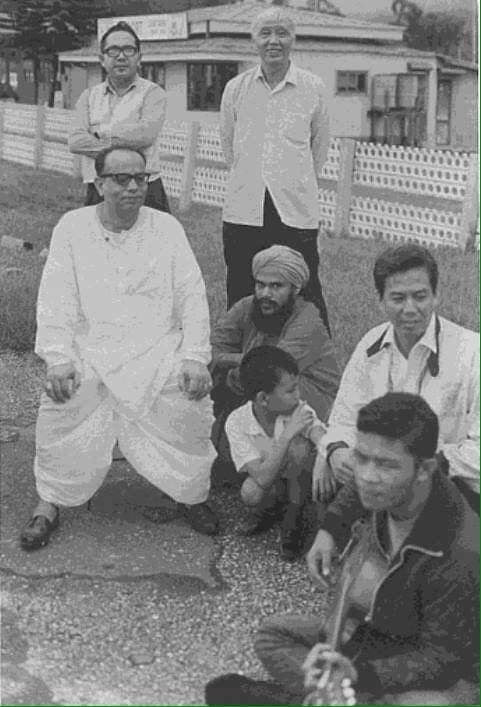
  1. Shrii Shrii Ánandamúrti seated with a group of followersThe given namePrabhat Ranjan SarkarPrabhat Ranjan Sarkar. The books on society, economics, language and history are signed with this name.
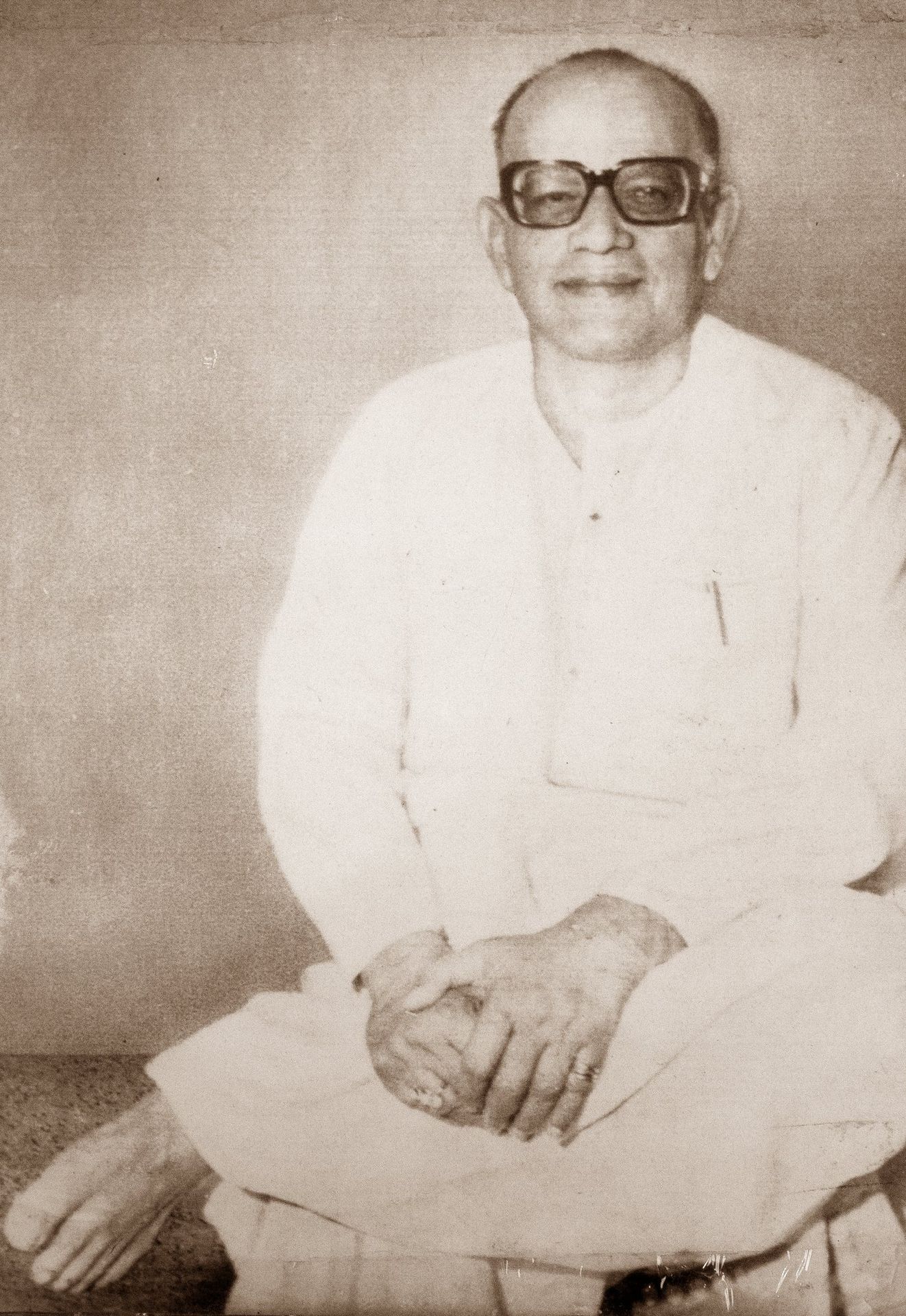
  2. Shrii Shrii Ánandamúrti seated cross-legged in white, facing the cameraThe spiritual nameShrii Shrii Ánandamúrti"One who is the embodiment of bliss," the name disciples gave. The spiritual discourses were given under it.
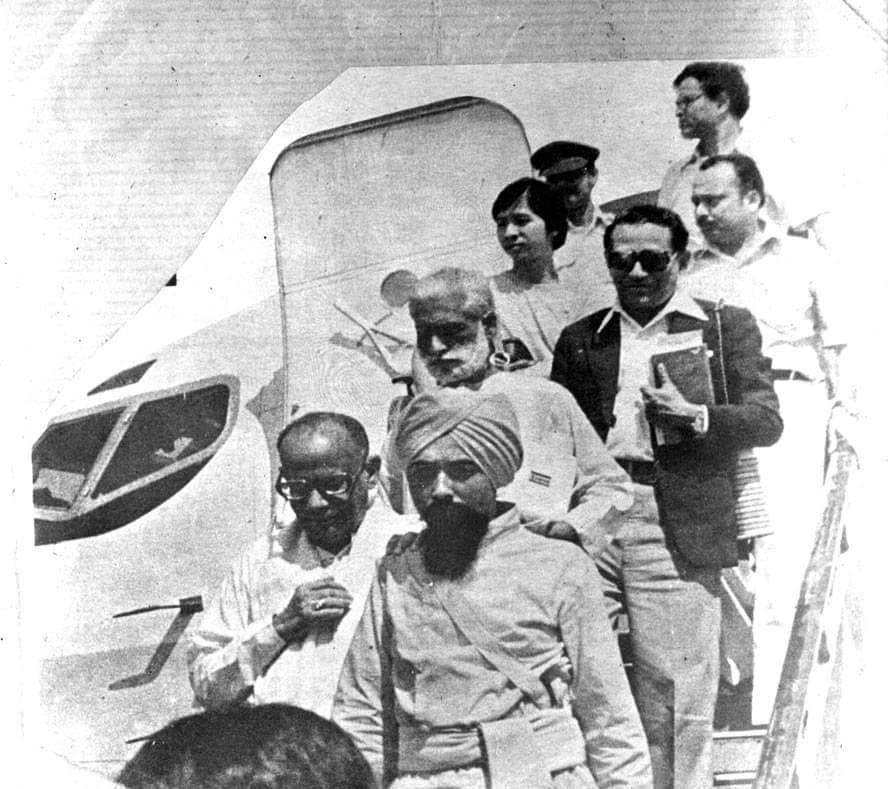
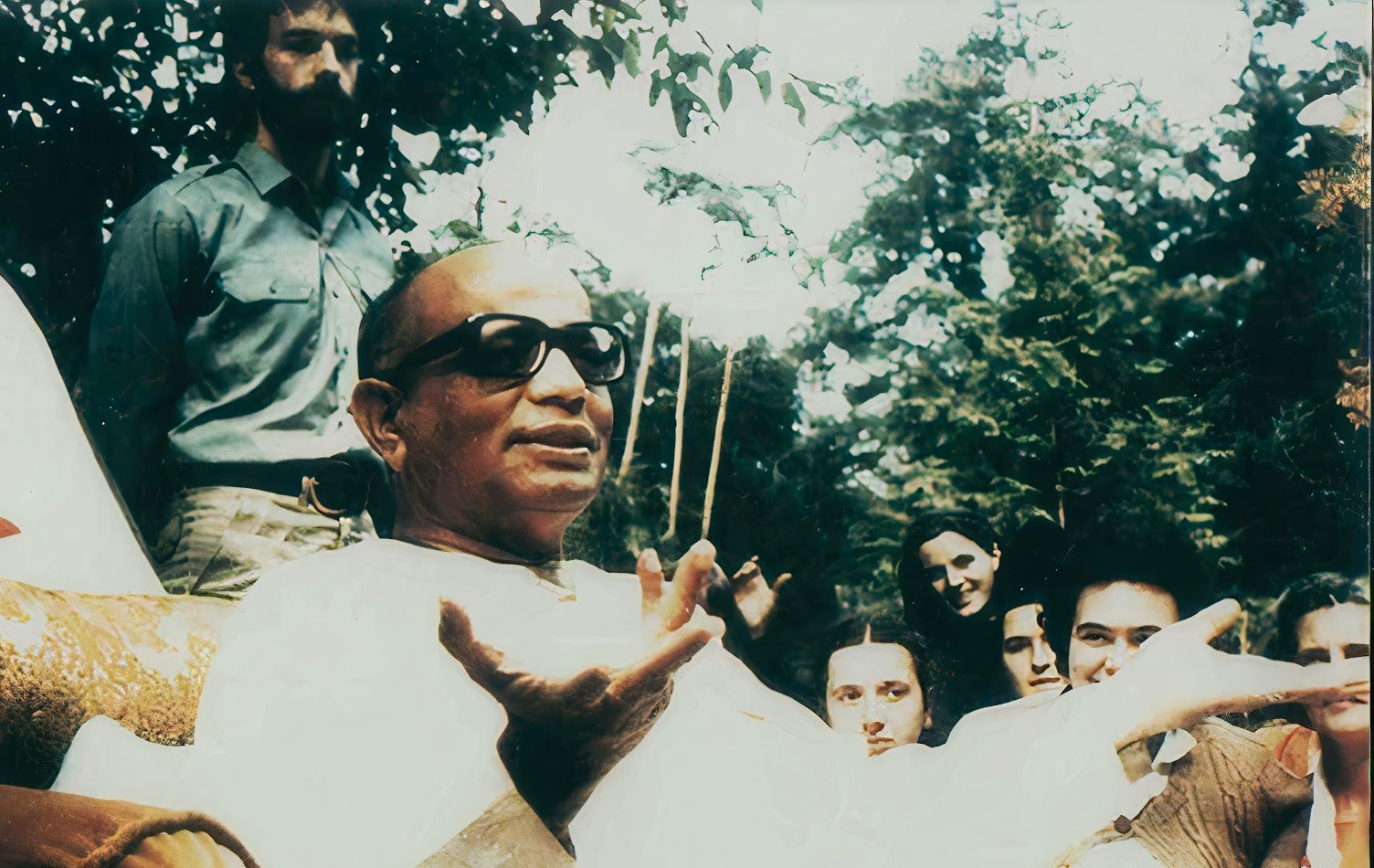
  3. Shrii Shrii Ánandamúrti with disciples beside a vehicleWhat disciples saidBábá"Father": how those close to Shrii Shrii Ánandamúrti spoke to their teacher, and still do.

The spiritual path Shrii Shrii Ánandamúrti gave

The knowledge of Tantra and Yoga had come down in pieces: in separate schools, in secret lineages, under layers of ritual. Shrii Shrii Ánandamúrti gathered it into one clear system with one aim: to reach the Supreme directly, through your own practice. No dogma, no rituals, no priest in between. It is taught free of charge, to anyone of any background.

"Genuine spiritual practice is the birthright of all people."

Prabhat Ranjan Sarkar (Shrii Shrii Ánandamúrti), A Few Problems Solved Part 9, 1981
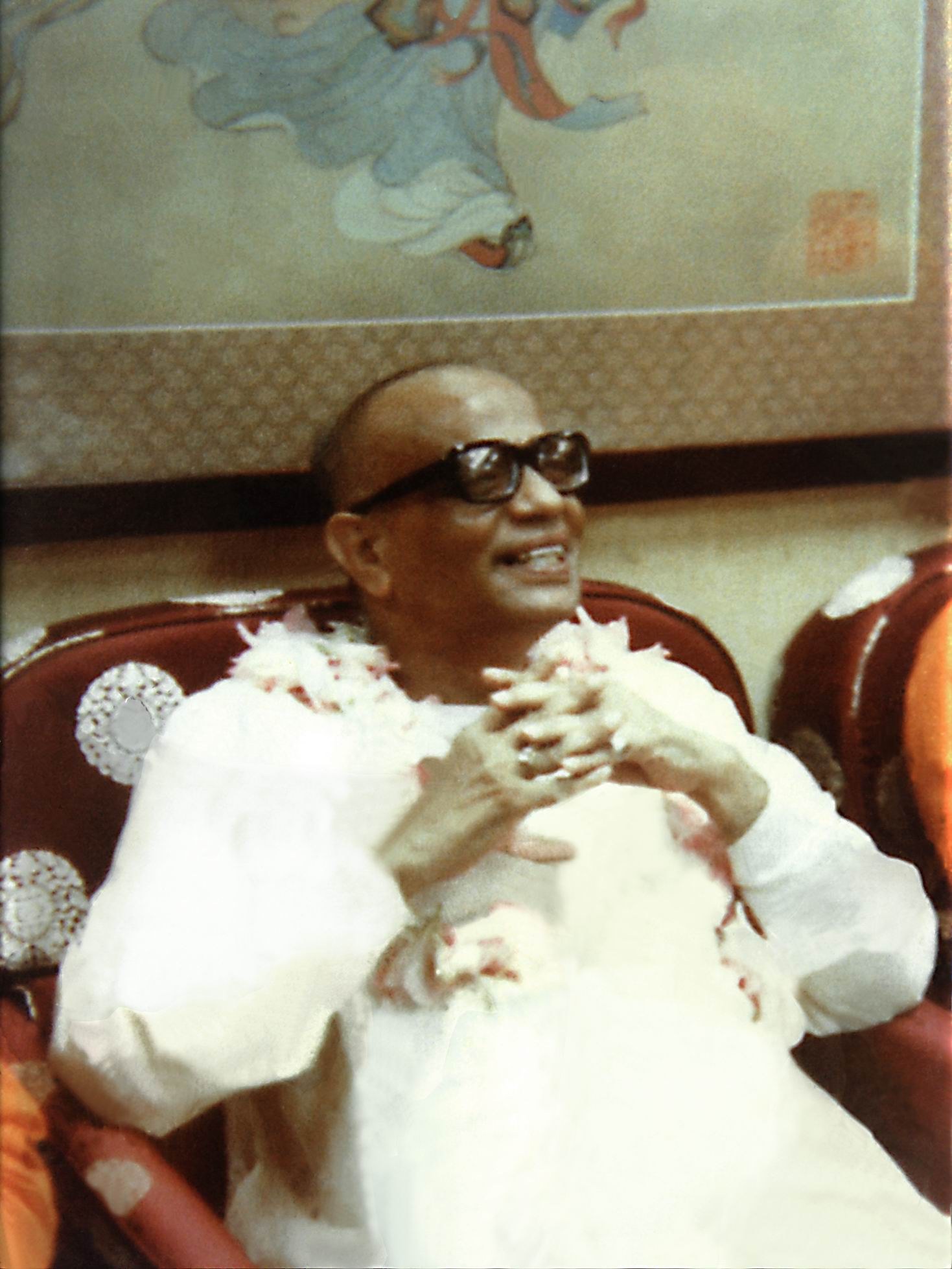
Shrii Shrii Ánandamúrti smiling, in a white tunic and a garland of flowers, seated in a red armchair
"It is the panacea of all human ailments, in the physical realm, in the psychic realm and also in the spiritual realm."

The philosophy Shrii Shrii Ánandamúrti gave

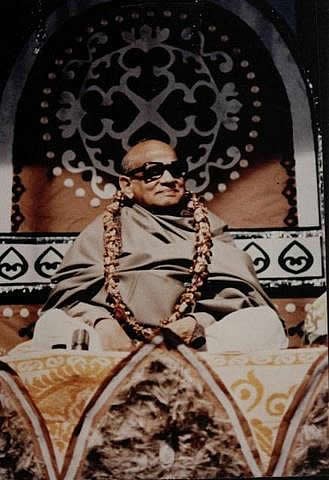
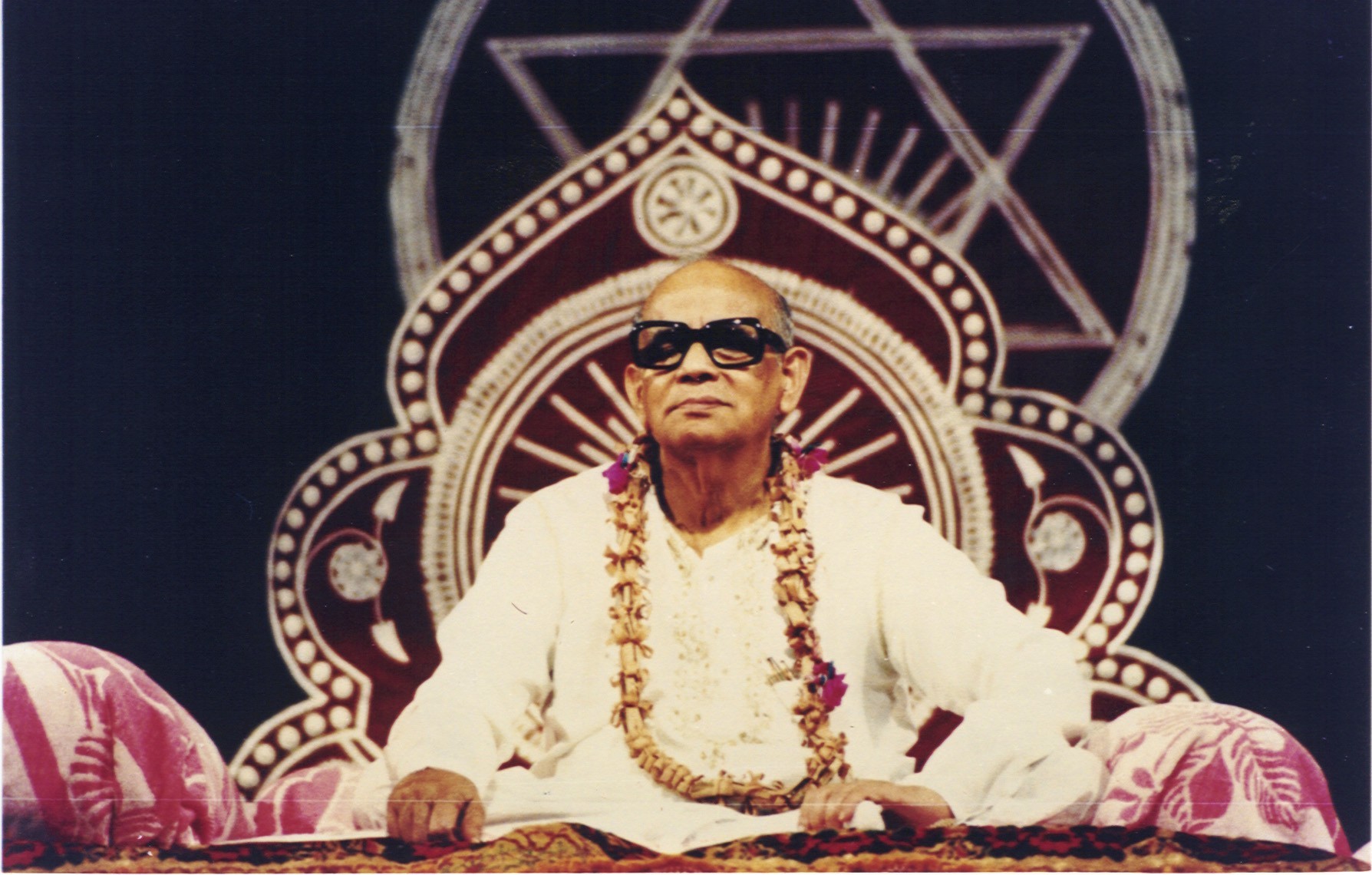
Shrii Shrii Ánandamúrti seated on a stage in a garland and a cream shawl, in front of an ornate backdrop
  • Is there a Cosmic Entity at all?
  • How should I live in this world?
  • What is the Cosmic Entity?
  • Where do I look for it?
  • What do I do to reach it?
  • What is life for?
  • What is this world?

Shrii Shrii Ánandamúrti also gave a spiritual philosophy. It is set out in Ananda Marga: Elementary Philosophy (1955), Ánanda Sútram (1962) and the many parts of Subháśita Saḿgraha. It takes up the questions every person asks, what the Cosmic Entity is, what this world is, who I am, how to live and what the aim is, and answers them step by step, by reason. And it does not ask anyone to take it on trust. Beside the philosophy stands a practice, meditation, so that you can test it yourself and know it by direct experience. Shrii Shrii Ánandamúrti spoke out against religious dogma, and religious leaders made an attempt on Shrii Shrii Ánandamúrti's life. It did not succeed.

The books

What Shrii Shrii Ánandamúrti stood for

Shrii Shrii Ánandamúrti did not ask people to choose between their own spiritual life and the suffering around them. Shrii Shrii Ánandamúrti named the problems and gave an answer to each.

  • 01

    One human family: Neohumanism

    The problem

    We are taught to love our own nation, caste, race or religion and to distrust the rest, and those who exploit people use these walls to keep them divided.

    Shrii Shrii Ánandamúrti's answer

    Every being comes from the same source, so every human being is a member of one cosmic family, and our care should reach animals, plants and the earth as well. Shrii Shrii Ánandamúrti spoke of this "cosmic brotherhood" from the first social writings in 1959; in 1982 it was named Neohumanism.

    "Supreme Consciousness is my father, the Supreme Operative Principle is my mother, and the three worlds are my homeland."

  • 02

    Leaders with character: sadvipras

    The problem

    Power goes to those who can buy it or shout loudest, and any government, of any color, turns tyrannical when no moral force checks it.

    Shrii Shrii Ánandamúrti's answer

    Society should be guided by sadvipras: people established in yogic morality and spiritual practice, who do not lie, steal, cheat or take bribes, who serve without wanting anything back, and who stand up against injustice wherever they meet it. They are known by their conduct, not their titles, and they are made by moral and spiritual training, not by speeches.

    "Sadvipras will fight ceaselessly against all corruption and exploitation – they will wage a never-ending struggle against immorality and fissiparous tendencies."

  • 03

    An economy without exploitation: PROUT

    The problem

    Wealth piles up in a few hands while others lack food, a home or a doctor. Capitalism concentrates it; communism, which promised to end this, handed it to the state and took away freedom.

    Shrii Shrii Ánandamúrti's answer

    PROUT, the Progressive Utilization Theory (1959). Food, clothing, housing, medical care and education guaranteed to every person, and the guarantee raised as society grows richer. No one may pile up wealth without society's consent. Economic power to the local people, planned from the village up, not from a distant capital.

    "To end exploitation we demand economic democracy, not political democracy."

  • 04

    Education that liberates

    The problem

    Schools pass on facts but not character, and what they teach bends to whoever holds political power.

    Shrii Shrii Ánandamúrti's answer

    Education for body, mind and spirit together, with morality and a universal outlook at its center; teachers chosen for character, not only certificates; schools run by educators, free of political interference, and free of charge at every level.

    "Education is that which liberates." (Sá vidyá yá vimuktaye)

  • 05

    A living culture

    The problem

    A commercial pseudo-culture, sold through the mass media, crowds out local languages and arts and weakens people so they are easier to exploit.

    Shrii Shrii Ánandamúrti's answer

    Human culture is one, with many local expressions; protect every mother tongue and local art, and keep the media free from exploitation and vested interests. Shrii Shrii Ánandamúrti practiced it too: 5,018 songs, Prabhát Saḿgiita, in eight years.

    "Human culture is one, though there are some local variations in its expression."

  • 06

    Equal dignity for women

    The problem

    For centuries dogma has kept women dependent, uneducated and outside religious and public life.

    Shrii Shrii Ánandamúrti's answer

    Free education for all women in every country; no discrimination in social, educational or religious life; economic and social security for women. In Ananda Marga women teach and lead as men do.

    "Let women be the vanguard of a new revolution which humanity must achieve for a glorious tomorrow."

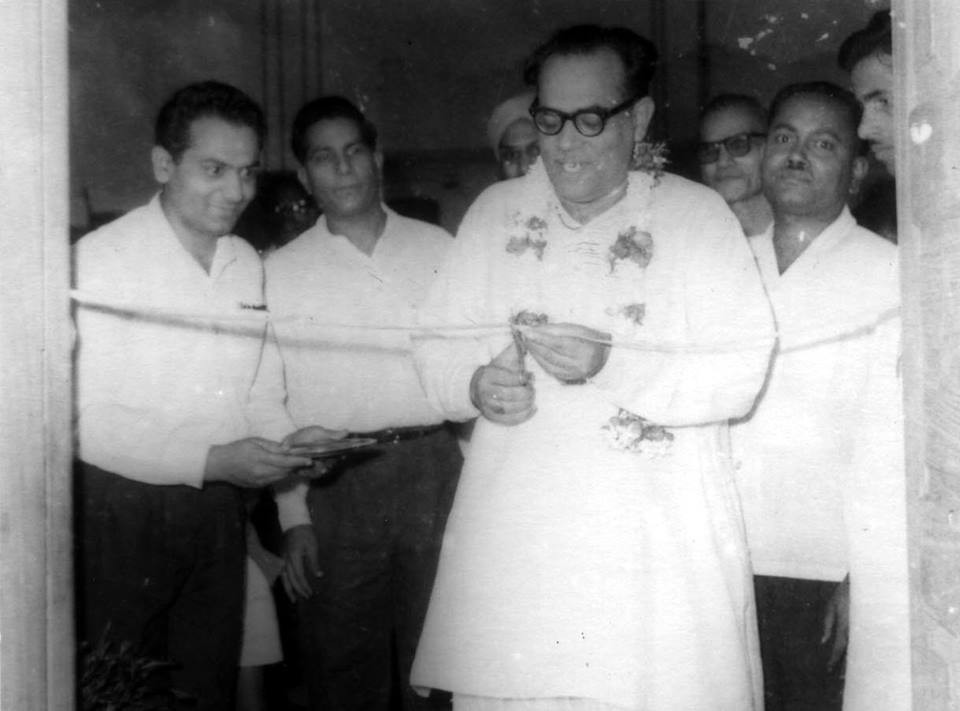
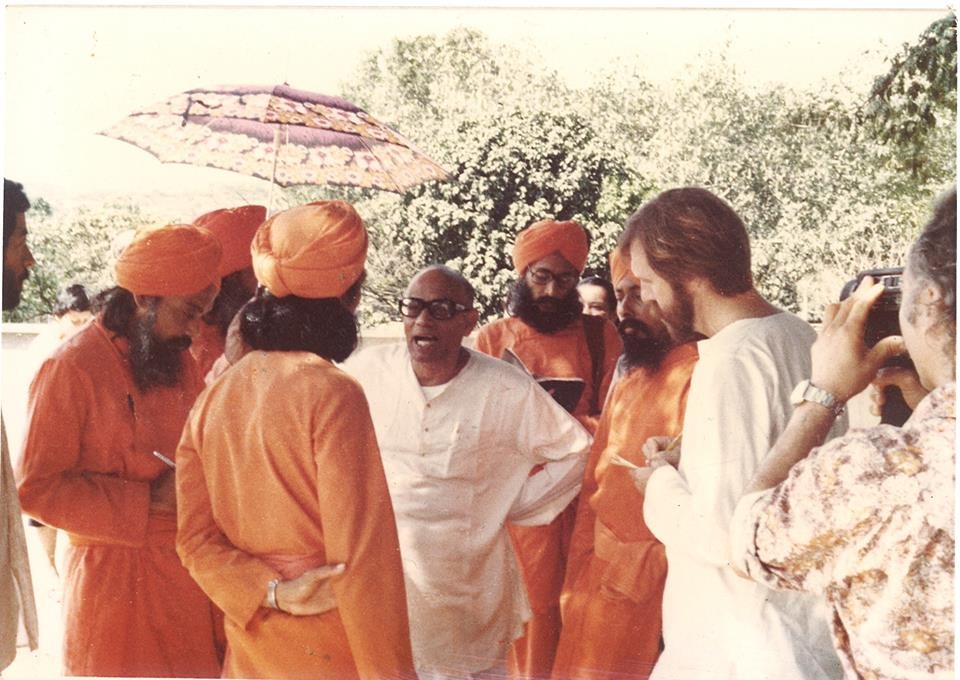
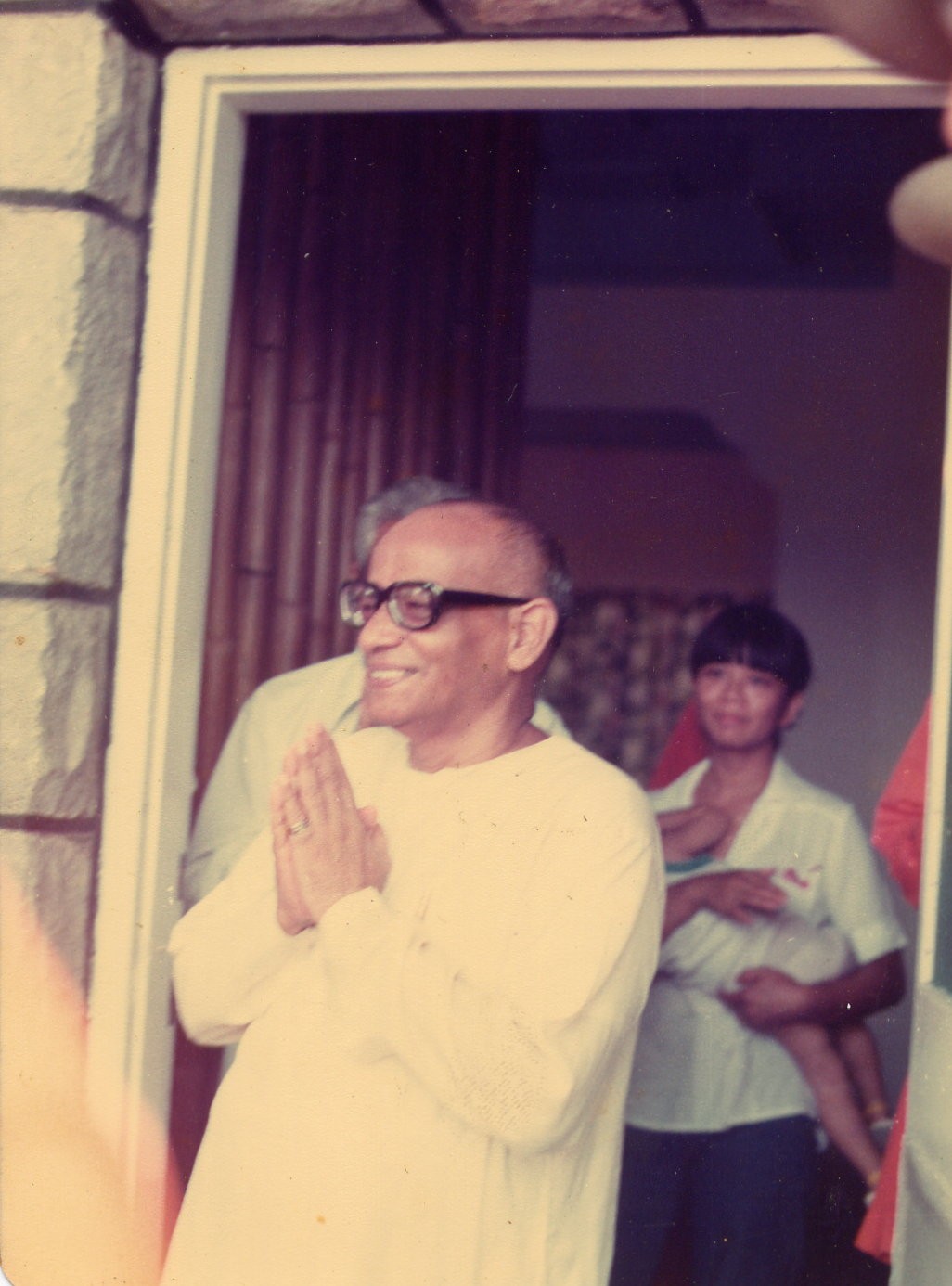
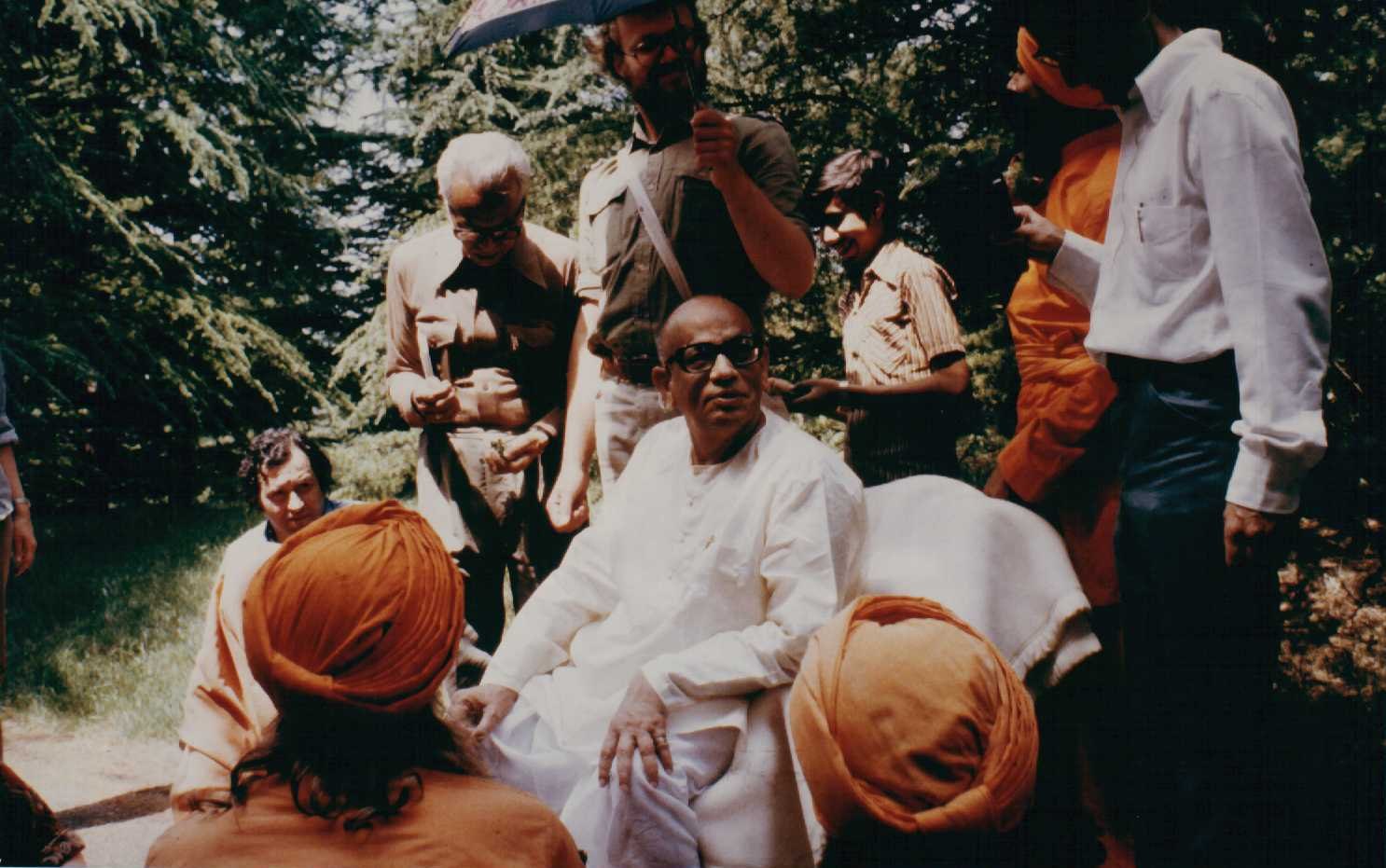
Shrii Shrii Ánandamúrti in a garland cutting a ribbon at a doorway, with men around him (black and white)Shrii Shrii Ánandamúrti speaking to a circle of monks in orange turbans under an umbrella, a visitor filmingShrii Shrii Ánandamúrti smiling with palms together in a doorway, a woman holding a child behind himShrii Shrii Ánandamúrti seated on a stage throne with the emblem of Ananda Marga behind him, in a garland and dark glasses

Tools for a worldwithout exploitation

Shrii Shrii Ánandamúrti did not only criticise. He also gave tools to build a better world: one without exploitation, without the walls between people, and without the poverty and tyranny listed above. This social philosophy is called PROUT, the Progressive Utilization Theory, and its heart is Neohumanism, care for every living being. It is set out in Idea and Ideology, Ánanda Sútram (1962), Human Society and The Liberation of Intellect: Neohumanism (1982). It is meant to be built, not only read. But it made Shrii Shrii Ánandamúrti enemies: capitalists and communists alike saw a threat in it, and the persecution of Ananda Marga began.

What grew from it

Shrii Shrii Ánandamúrti's social philosophy did not stay on paper. In 1963 Shrii Shrii Ánandamúrti set up the Education, Relief and Welfare Section, ERAWS. It runs schools, orphanages, medical units, retirement homes, free kitchens, drug rehabilitation centres and homes for shelterless women around the world. Its relief arm, AMURT, the Ananda Marga Universal Relief Team, has brought help after fire, flood, typhoon, earthquake and war, and has received citations from the United Nations, the Red Cross and many governments.

For Shrii Shrii Ánandamúrti, inner practice and the work for a just society were always one work, never two stages.

A smiling girl in a yellow school shirt on a bench, other children behind her
Schools
Two women chopping vegetables together in a bright kitchen
Free kitchens
Volunteers in orange vests packing food and water into bags for people after a disaster
Disaster relief
  • 130+

    countries where people follow his teachings

  • 100+

    books, on subjects from yoga and cosmology to farming and music

  • 5,018

    songs, Prabhat Samgiita, composed in the last eight years of his life

  • 1M+

    people taught meditation, directly and indirectly

In Shrii Shrii Ánandamúrti's words

  • Wherever there is economic exploitation of the poor, a struggle will have to be waged against the exploiter.
  • If a person acquires and accumulates excessive wealth, he or she directly curtails the happiness and convenience of others in society. Such behaviour is flagrantly antisocial.

  • … while capitalism makes people slaves, communism makes them worse than slaves.

  • When the Supreme Father for the world is one, can there be more than one caste in human society? … No, there cannot be more than one caste. No Brahman and no Shúdra, all one.

  • Even today women are slaves to the male-dominated social order. This is not only bad but deplorable.

  • If a person is doing sádhaná just for self-realization, no matter that the world is going to hell, will we not call such a person utterly selfish?

Not an ordinaryman

To the disciples, Shrii Shrii Ánandamúrti was Bábá. What they saw did not fit an ordinary life. These are their words.

Read more stories

The robber, Calcutta, 1939

"Suddenly, a huge, fierce-looking figure approached the young man intending to rob him. 'Young man, give me whatever you have,' he growled. The youth looked at him unperturbed and said, 'Kalicharan, I know you. Now, give me everything you have.'"

The robber, Kalicharan, was initiated that night: Shrii Shrii Ánandamúrti's first disciple.

— Ácárya Vijayánanda Avadhúta, The Life and Teachings of Shrii Shrii Ánandamúrti

The operation in London, Jamalpur, 1940s

An English officer at the railway office was anxious about his wife, who had gone to London for an operation; Bábá told him it had succeeded. When she came back, the officer invited Bábá to tea.

"The Englishman's wife told her husband that Bábá was the doctor in charge of her operation, and because all the medical staff in the operating theatre followed his advice, it had been successful. The Englishman told her that Bábá was not a doctor and he had never been to London; he worked in the railway office with him."

— Ácárya Maháviiránanda Avadhúta, The Tantric Guru

Nothing hidden, Jamalpur, after 1955

"Whenever he pointed out my faults he did it as if he had been there to witness it. How did he know my every thought and action at all times? … I told Bábá that I was extremely eager to know the mystery and scientific basis of how he knew everyone's thoughts and actions. Bábá replied with his glorious smiling face, 'I am just a fool. I know nothing about it.'"

— Ácárya Satyananda Avadhúta, The Wandering Ascetic Life

The bulls in the lane, Keshavpur

Without saying anything he placed himself between the bulls and me. As they came closer snorting ferociously, he raised his hand. The angry bulls suddenly stopped in their tracks and became as still as statues. I was amazed. Then he asked me to go and pick up my schoolbooks. I was afraid to go past the bulls to get my books in case they charged at me.

At a wave of the boy Prabhát's hand the bulls came back to life, turned and walked away.

— Manoranjan Banerjee, in Ác. Pranavátmakánanda Avadhúta, Advent of a Mystery

The classmate, Jamalpur, 1931–1939

Prabhat Ranjan knew how long and wide each river was, the type of terrains and the towns it passed through. He knew in detail how different rivers got their names, and we were enchanted by his talks. He knew all the capitals of various countries in the different continents and their seaports. His knowledge about rivers was wide-ranging. Put in another way, he had such a thorough command of geography that if the teacher was absent, the headmaster would ask Prabhat Ranjan to teach the geography class.

A 500-page English geography textbook that exhausted the class was mastered by Prabhat Ranjan in three months.

— Vimalendu Chatterjee, in Ácárya Vijayánanda Avadhúta, The Life and Teachings of Shrii Shrii Ánandamúrti

The sick friend, Jamálpur, 1963

We were standing side by side waiting for Bábá's arrival when He came. While He was passing, He stopped and stood near us. He said to me, "It's good that you looked after Kamalesh sincerely when he was sick, isn't it?" We were dumbfounded to hear this from Bábá. Who had told Him? Does Bábá know everything on His own?

Days earlier, at the hostel, Keshavánanda had nursed a feverish friend, and nobody had told Bábá.

— Ácárya Keshavánanda Avadhúta, Reminiscences of Bábá: Memoirs

A silent test, Jamalpur, 1959

When I entered the compartment, it came to my mind that Margiis had said that Bábá is all-knowing. He can read the hearts of all. If that were so, I thought: when I reach Bábá's quarters in the evening, at the time of His evening walk to the historical tiger's tomb, even if there be any number of Margiis to accompany Him, let Him say that I should accompany Him alone.

That evening Bábá smiled, sent the other disciples away and took only the doubter on the walk.

— Ác. Samanvayánanda Avadhúta, Glories of Bábá — Shrii Shrii Ánandamúrtijii

No library, Jamálpur, 1960s

Bábá casually showed him the rooms, one after another. Then He said, "Well, have you seen all the rooms of my house, my little boy?" The boy, oblivious to the intention, nodded his head. Bábá added, "The Bábá you know talks on so many subjects. Can you tell me which book or library is the source of His knowledge?" The boy was struck dumb. The fact is that Bábá had no library or book in His house.

The student had supposed that such learned daily discourses must come from a big library at home.

— Ác. Sarveshvaránanda Avadhúta, My Days With Bábá

The rain that waited, Jamálpur

Bábá stopped there and said, "Nagina, from here run quickly to the house. The rain is not going to wait any longer." I touched Bábá's feet reverentially and ran those fifty to sixty feet. Just as I stepped into the veranda of the house, the skies burst open and a very heavy downpour started. If the rain had arrived even a second or two earlier, I would have been thoroughly wet.

Thunder had threatened for three hours of walking and talking; Bábá then went home through the downpour.

— Ácárya Nagina, in Ác. Pranavátmakánanda Avadhúta, Advent of a Mystery

The boy in the mob

Suddenly a young boy emerged from the crowd and came over to me. He turned to the mob and shouted, "This monk is simple and innocent. I know him very well. Why are you disturbing him? Let him go right now." Strangely enough, the crowd was silenced. They looked at each other, and one by one began to leave. I turned and the boy had also disappeared.

Next day Bábá asked whether the monk remembered the boy who had come forward, and only smiled.

— Ác. Shamitánanda Avt., 101 Bábá Stories

The train that stopped, Gayá

The train left the station, and it was gaining speed, but I was so weak that I was having trouble remaining there hanging. The time came when I knew that I would fall down at any moment — I could not hold onto the handrails any longer. When I understood my situation, I remembered Bábá, feeling that it was my time to die. Then suddenly, while the train was in full motion, it blew its whistle and stopped quickly, before I could fall.

Passengers stepped down to see why the train had halted, and the sick monk climbed inside.

— Ac. Dhruvananda Avt., The Supreme Friend

Before the judge

The judge asked Bábá, "In which language should I record your statement?" Bábá replied, "I know more than 200 languages — which do you prefer?" The judge was stupefied and sat silent. So Bábá added, "If you don't reply, then I will speak in English — with Cambridge pronunciation." Bábá spoke and the judge wrote down the statement.

After Bábá left, the judge admitted to the lawyer never having met such an extraordinary person.

— Ac. Krpananda, With My Master

The jail guard, Bankipur, 1972

Bábá then consoled him by telling him to accept the transfer and report to the new office. Then, as the guard was going out of the room, Bábá called him back. The man hurried back and stood before Him with folded hands. "Don't worry." Bábá's voice was filled with sympathy. "You and your family will be happy. All your miseries will be over."

Eighteen months later the guard told the author that, after twenty years of marriage, a son had been born.

— Ác. Sarveshvaránanda Avadhúta, My Days With Bábá

The hard years

Prabhat Ranjan Sarkar speaking, a hand raised

Why Shrii Shrii Ánandamúrti had enemies

Shrii Shrii Ánandamúrti attacked caste and dogma, so orthodox religious leaders turned against Shrii Shrii Ánandamúrti. Shrii Shrii Ánandamúrti wanted a limit on private wealth, so businessmen and landowners were afraid. And the movement was winning over the poor and the young, the communists' own ground. The danger began early: when Prabhat Ranjan Sarkar was eight or nine, followers of a sect who had heard astrologers say this boy would one day overturn their religion set the child on fire on a hill outside Jamalpur. Shrii Shrii Ánandamúrti survived; the scars stayed. On 5 March 1967 a mob led by communist activists attacked Ananda Nagar and killed five workers.

  1. 1971

    Arrest

    On 29 December 1971 Shrii Shrii Ánandamúrti was arrested in Patna, accused, on the word of one former monk, of conspiring in the murder of six former members. Shrii Shrii Ánandamúrti denied the charges. In jail a government intelligence officer offered a comfortable ashram in the mountains in exchange for dropping PROUT and keeping to spiritual topics. Shrii Shrii Ánandamúrti's answer: "While I am in physical form, I cannot leave PROUT."

  2. 1973

    Poison and the fast

    On 12 February 1973 the prison doctor gave Shrii Shrii Ánandamúrti poison in the guise of medicine; the damage to Shrii Shrii Ánandamúrti's eyesight lasted for life. From 1 April 1973 Shrii Shrii Ánandamúrti took nothing but two cups of buttermilk a day, demanding an inquiry. None was held. When Members of Parliament begged Shrii Shrii Ánandamúrti to stop, the answer, as one disciple remembers, was: "My life is less important than my ideas. They want to kill me because they are afraid of my ideas."

  3. 1975

    The Emergency

    When Prime Minister Indira Gandhi suspended civil liberties on 26 June 1975, Ananda Marga was one of 26 organizations banned; its property was seized and its workers jailed. A Canadian lawyer who watched the trial in 1976, Claude-Armand Sheppard, wrote: "The formalities of justice in Patna may not be gainsaid, but the substance of justice may leave a lot to be desired."

  4. 1978

    Release

    In March 1977 Indira Gandhi lost the election and the ban was lifted. On 2 August 1978 the Patna High Court quashed the case. Shrii Shrii Ánandamúrti walked out of jail and ended the fast after five years, four months and two days.

And he kept creating

Through all of it Shrii Shrii Ánandamúrti went on creating, in fields far apart.

  • 01

    Language

    Numerous volumes on Bengali and Sanskrit trace how words, phrases and cultural traditions grew into today's Indian languages, with new insights into Indo-European and other languages.

  • 02

    Science

    The theory of Microvita holds that the basic building blocks of life are emanations of pure consciousness. It links the worlds of perception and conception, and points to physics, biology and mathematics merging into one science.

  • 03

    Ecology

    Neohumanism widens humanism to love for animals, plants and the inanimate. Shrii Shrii Ánandamúrti began a global plant exchange to save thousands of plant species and encouraged animal sanctuaries around the world.

  • 04

    Art

    Shrii Shrii Ánandamúrti asked artists to make art for service and blessedness, not for art's sake alone, and wrote fiction, comedy, drama and children's stories besides the 5,018 songs.

See the contributions

Hear fromdisciples

The life of Shrii Shrii Ánandamúrti, told by the people who were there.

All videos about Bábá

Baba my GurudevOpen ↗
Baba's LifeOpen ↗
The life of Shrii Shrii Ananda Murti and His contributions to society. A'ca’rya Svarupananda Avt.Open ↗
Spiritual Stories about Baba Shrii Shrii Ananda Murti// Ananda Marga //A’c Dhishuddhananda Avt.Open ↗
Spiritual Stories about Baba Shrii Shrii Ananda Murti // Founder of Ananda Marga// Shri Harananda jiOpen ↗
Baba's stories by A’c Svarupananda Avadhuta # Ananda Marga # Shrii Shrii Ananda Murtijii (Baba)Open ↗
Ac Mohanananda AvtOpen ↗
Spiritual stories and experiences of Shrii Shallander jii, a devotee of Shrii Shrii AnandaMurti JiiOpen ↗
Baba’s stories by A’ca’rya Cetana'nanda dada // A’nanda Ma’rga // Shrii Shrii A’nanda Murti jiOpen ↗
Spiritual Stories about Baba Shrii Shrii Ananda Murti//Ananda Marga//A’c Krs’n’aseva’nanda AvtOpen ↗
Ac Tattvavedananda AvtOpen ↗
Spiritual stories regarding Baba Shrii Shrii Ananda Murti ji // A’ca’rya Cittarainjanananda AvtOpen ↗
Stories about Baba and A'c Rameshvar ji.Open ↗
Ac Rameshvarananda AvtOpen ↗
Spiritual Stories about Baba Shrii Shrii Ananda Murti//Ananda Marga // Avtk Ananda Tapashuddha A’cOpen ↗
Spiritual stories regarding Baba Shrii Shrii Ananda Murti ji // A’ca’rya Bodhaprajina’nanda AvtOpen ↗
Baba's stories by didi A’nanda Ranjana’ A’c # Ananda Marga # Shrii Shrii Ananda Murtijii (Baba)Open ↗
Spiritual Stories about Baba Shrii Shrii Ananda Murti // Founder of Ananda Marga//A’ca’rya DiliipjiiOpen ↗
Spiritual stories regarding Baba Bhagvan Shrii Shrii Ananda Murti ji // A’ca’rya Premamaya’nanda AvtOpen ↗
Ac Sarvatmananda AvtOpen ↗
Ac Jyotiprakashananda AvtOpen ↗
Ac Sarvatmananda AvadhutaOpen ↗
Ac Jyotiprakashananda x3Open ↗
Ac Madhuvidyananda AvtOpen ↗
Cover of the exhibition: the title over a white lotus

Free · Birth centenary

Shrii Shrii Ánandamúrti: 100 Facets of His Life, Mission and Teachings

A hundred modules on the life, mission and teachings of Shrii Shrii Ánandamúrti, each with text, stories and carefully restored photographs, made for the birth centenary. Read it on a phone, or print it as 100 posters for an exhibition of your own.

Download the PDF

PDF · about 430 MB · Look inside

Extended 400-page edition, paid: Photo book · Ebook