
Ananda Marga History
It began on a Sunday in November 1954, when Prabhat Ranjan Sarkar introduced a few dozen disciples to one another in a railway colony in Jamalpur. This is how that circle became a movement on every continent.
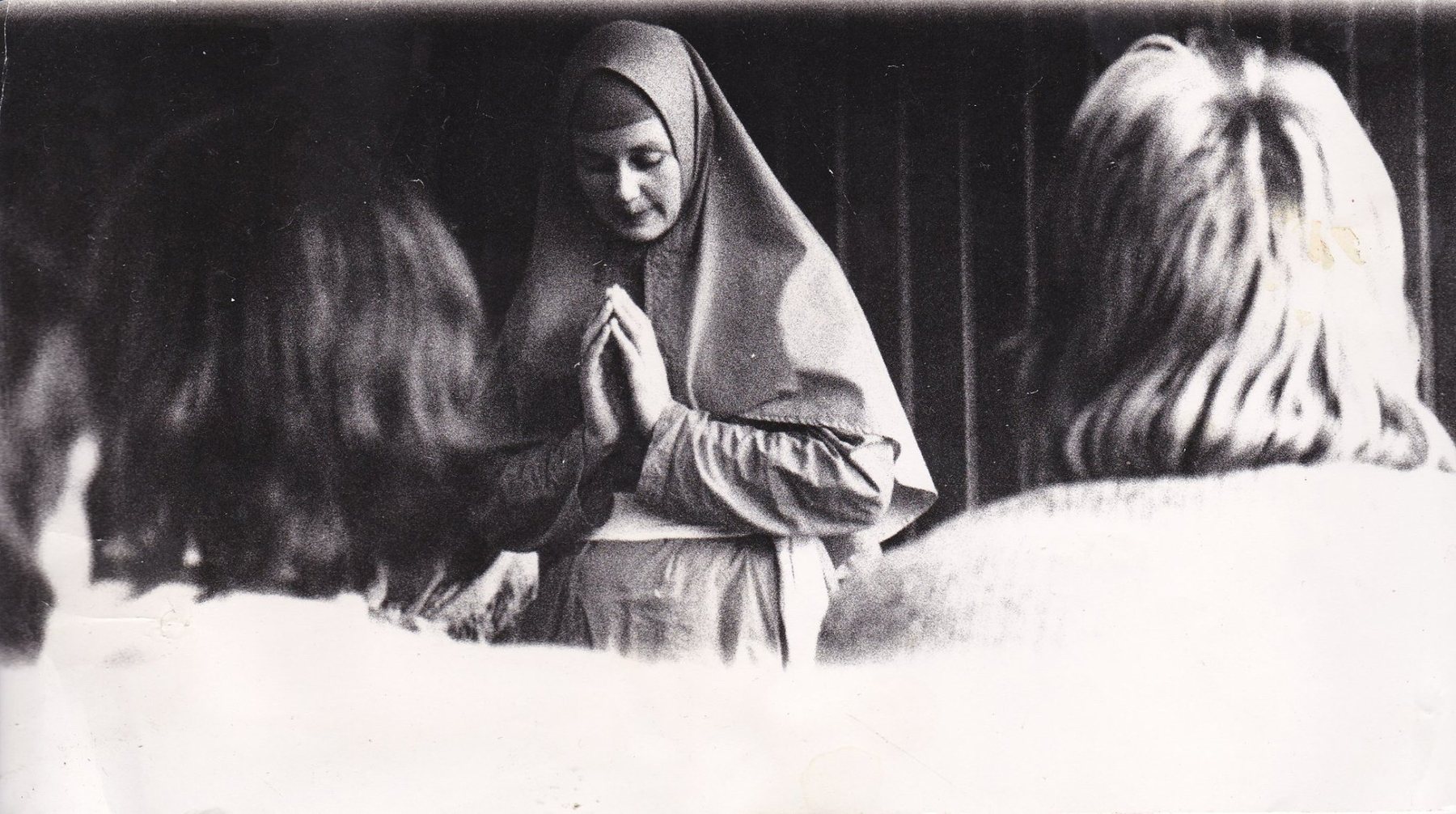
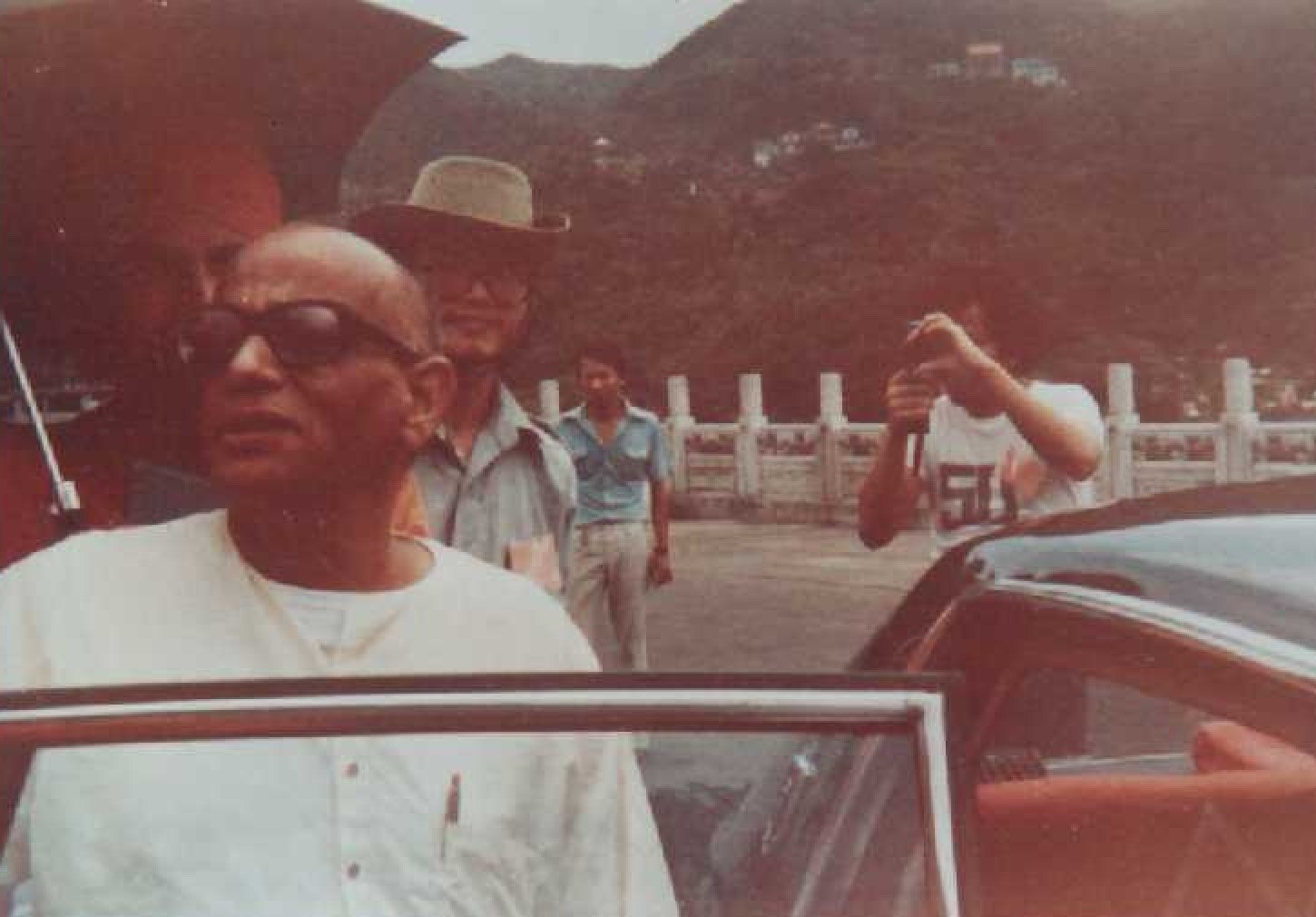
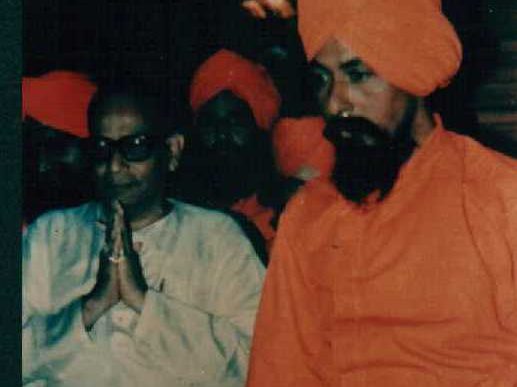
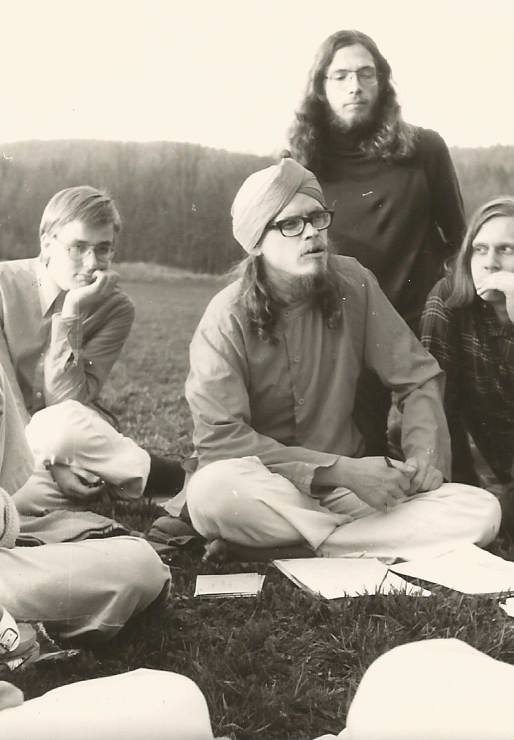
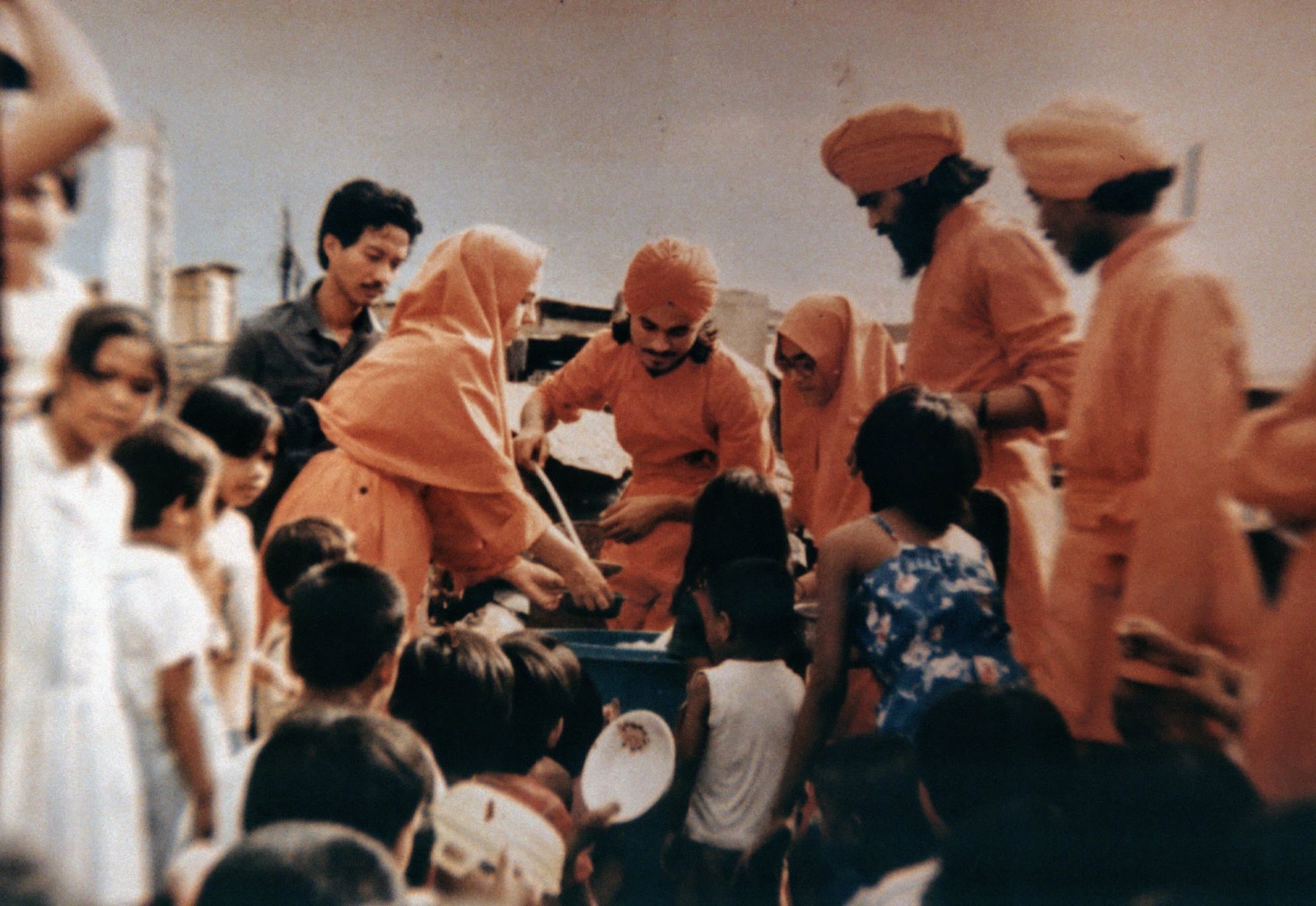
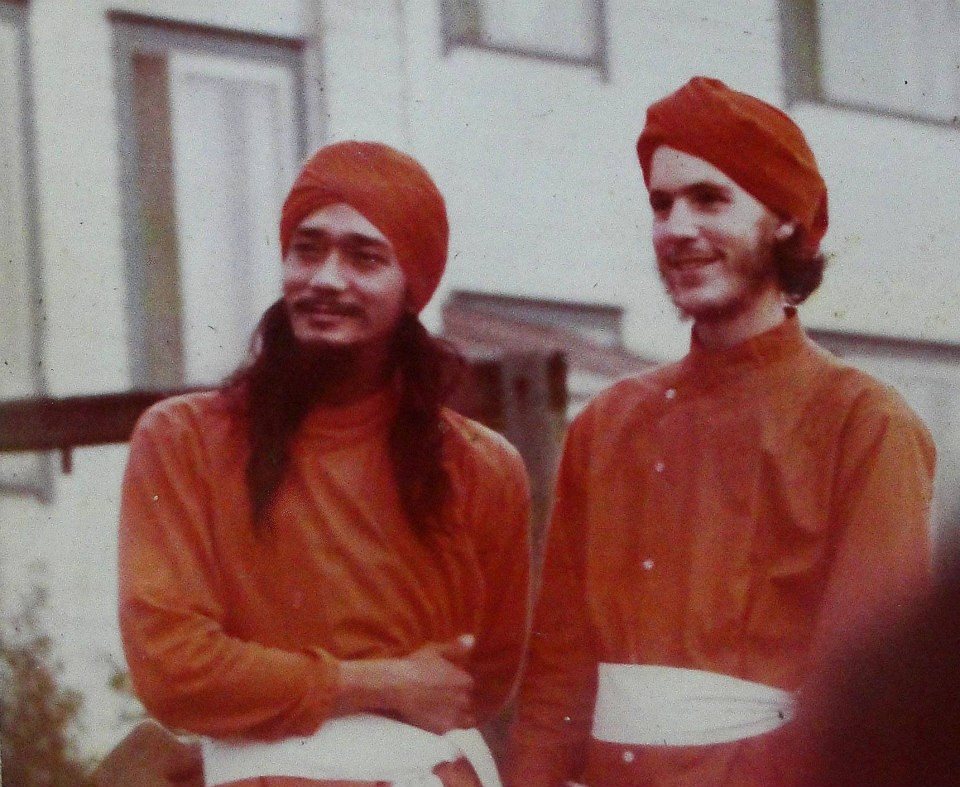
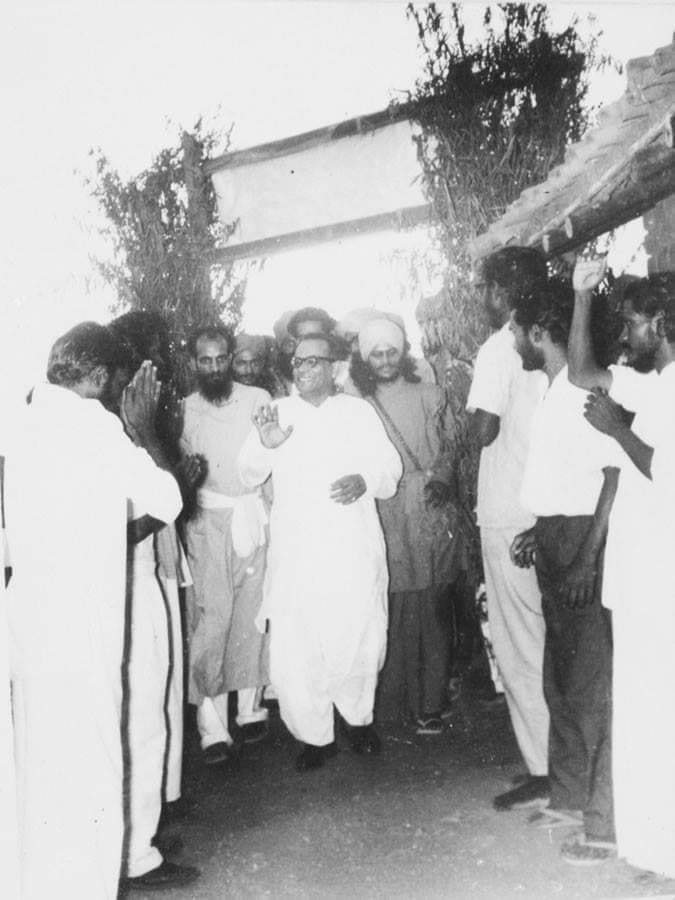
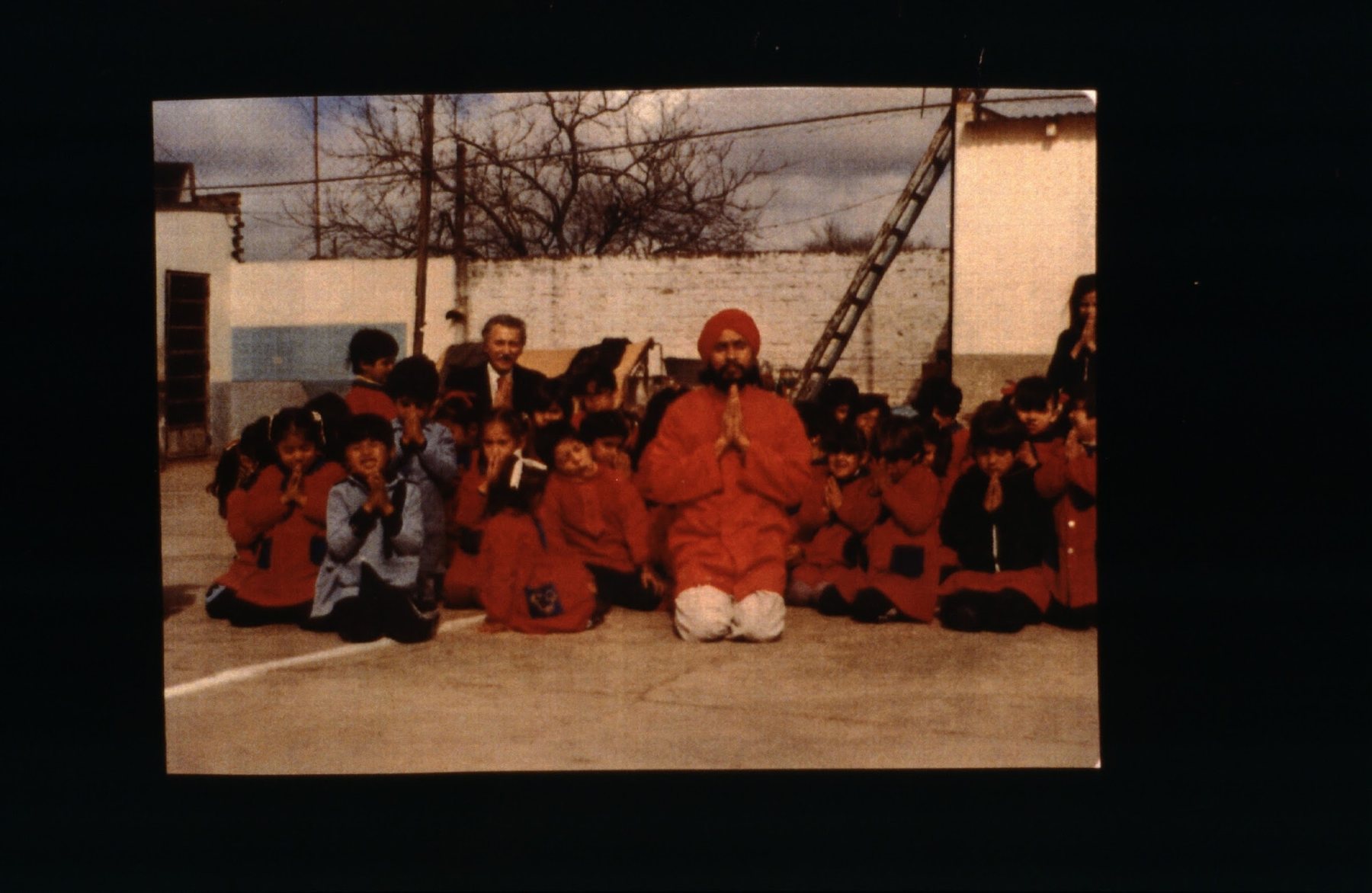
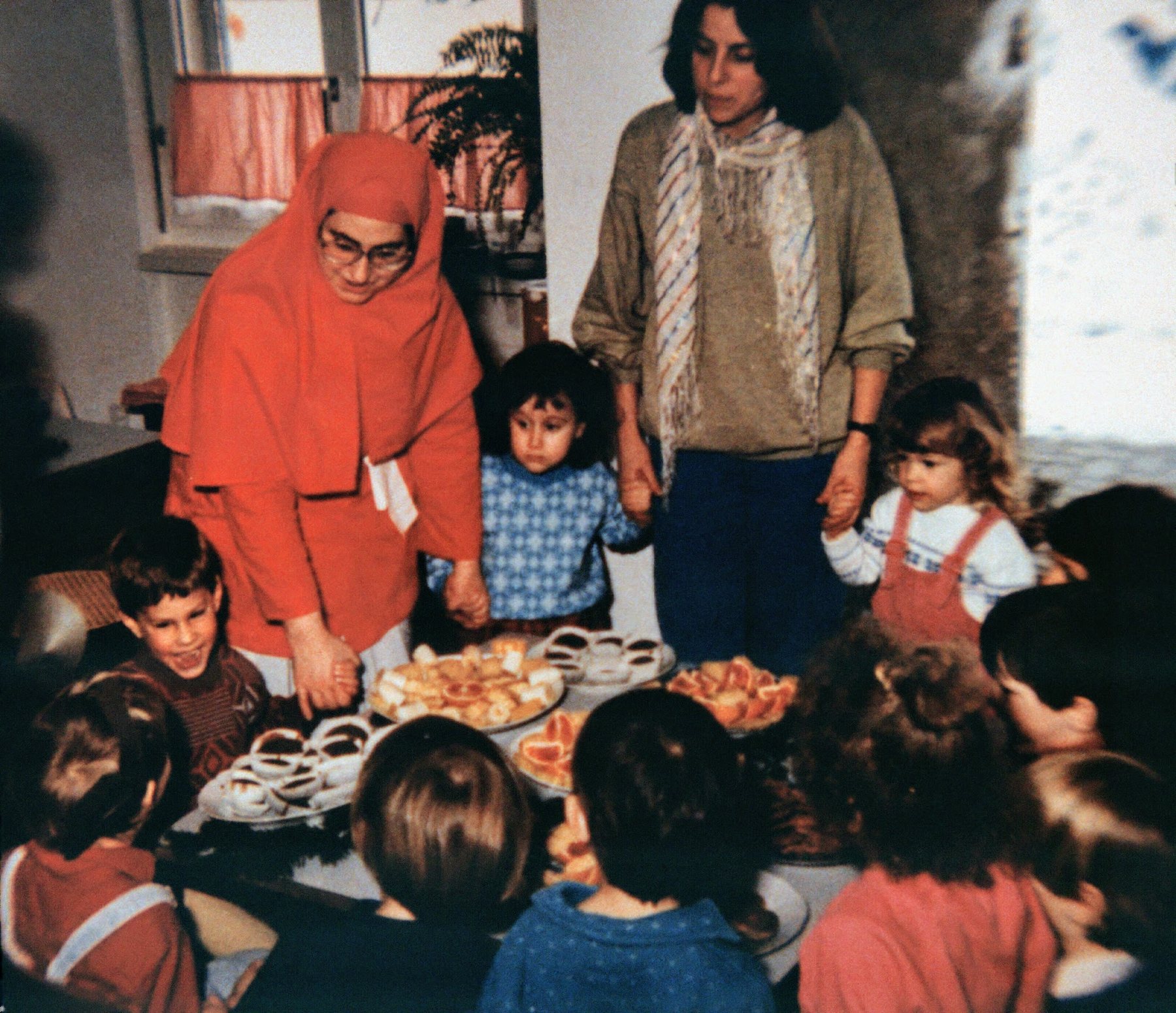
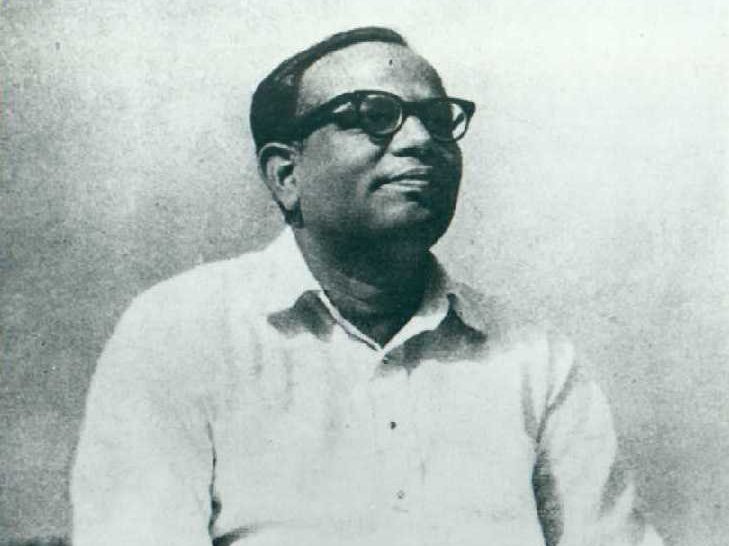
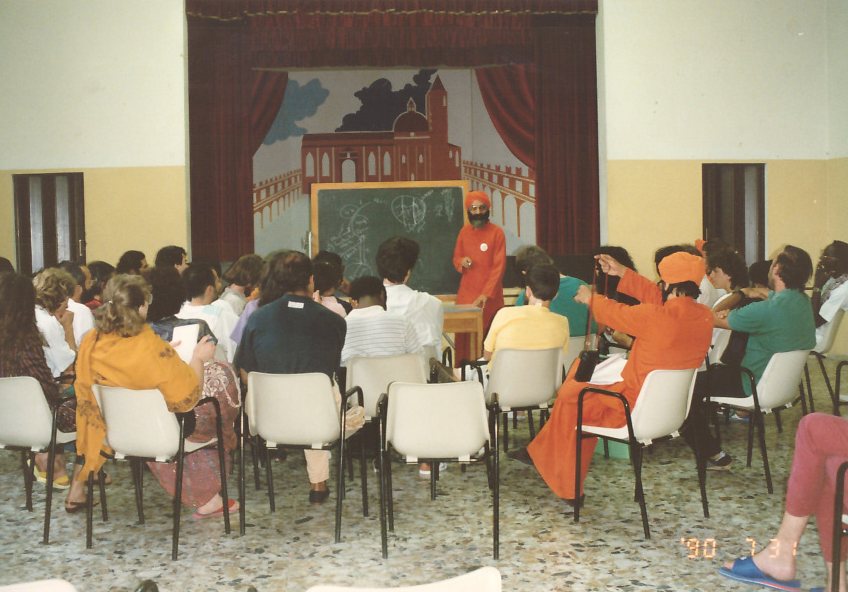
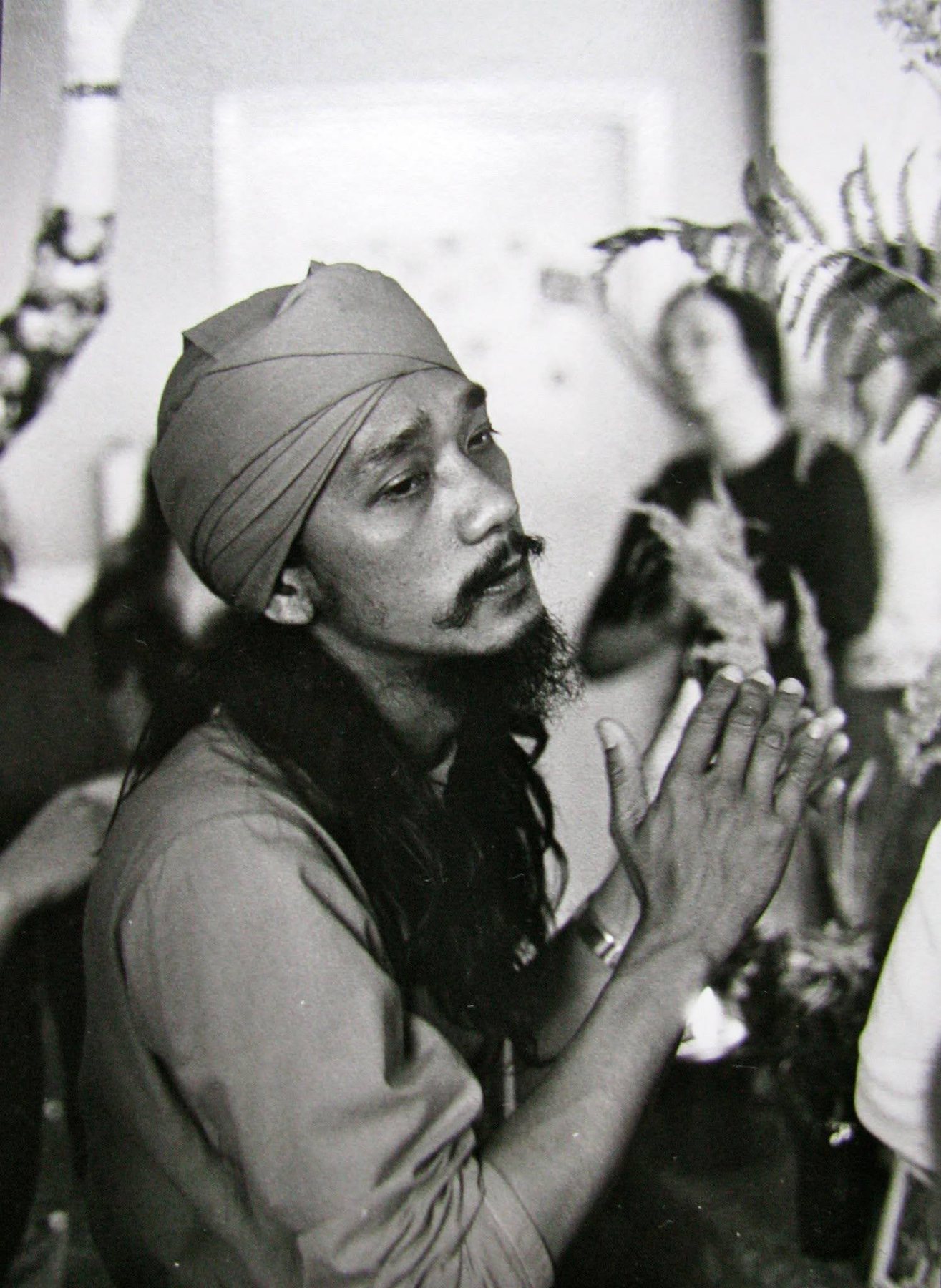
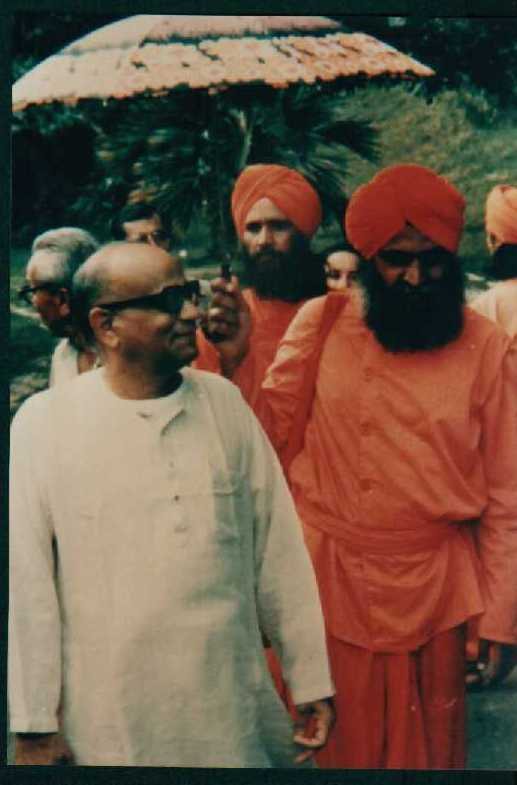
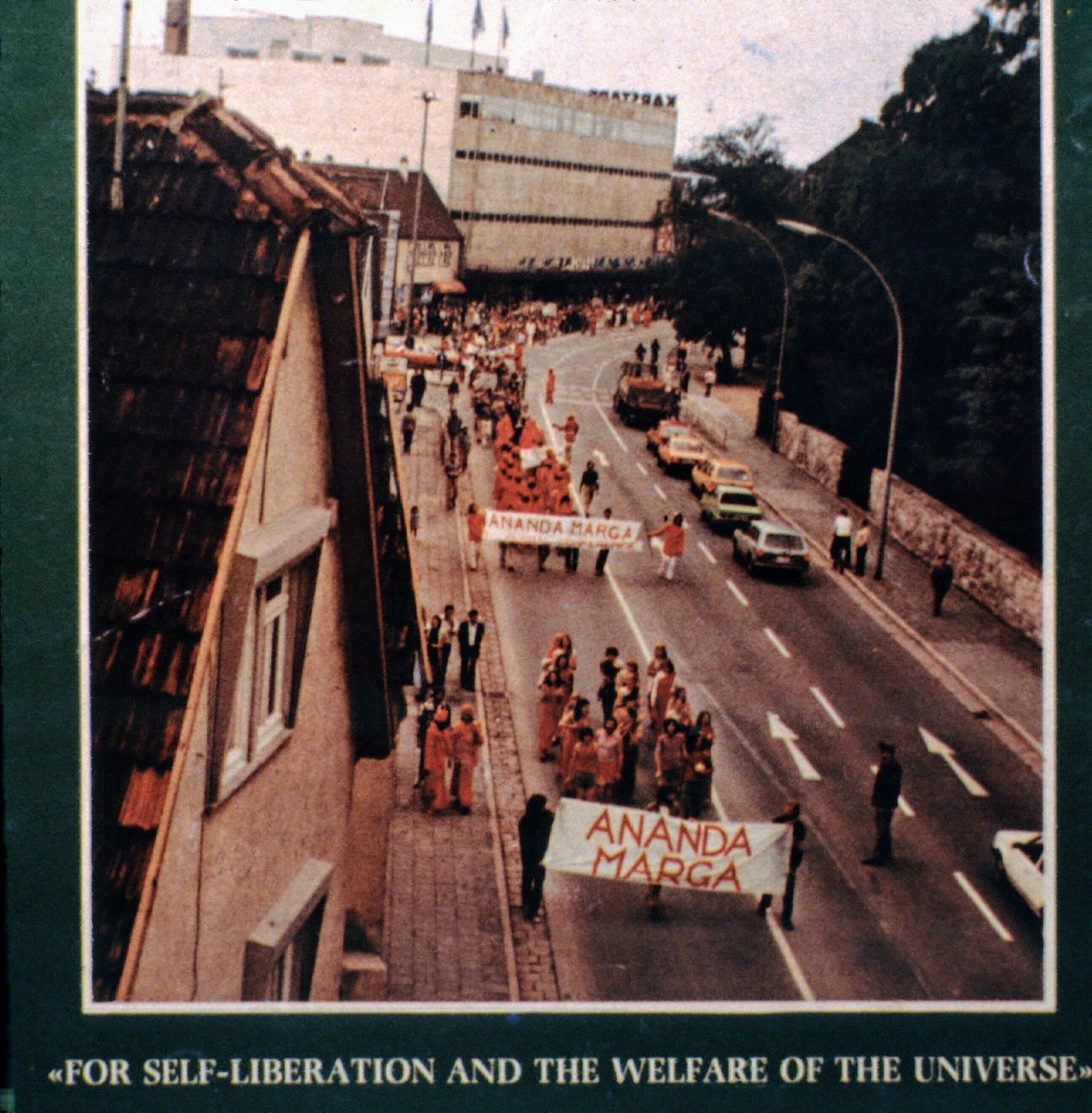
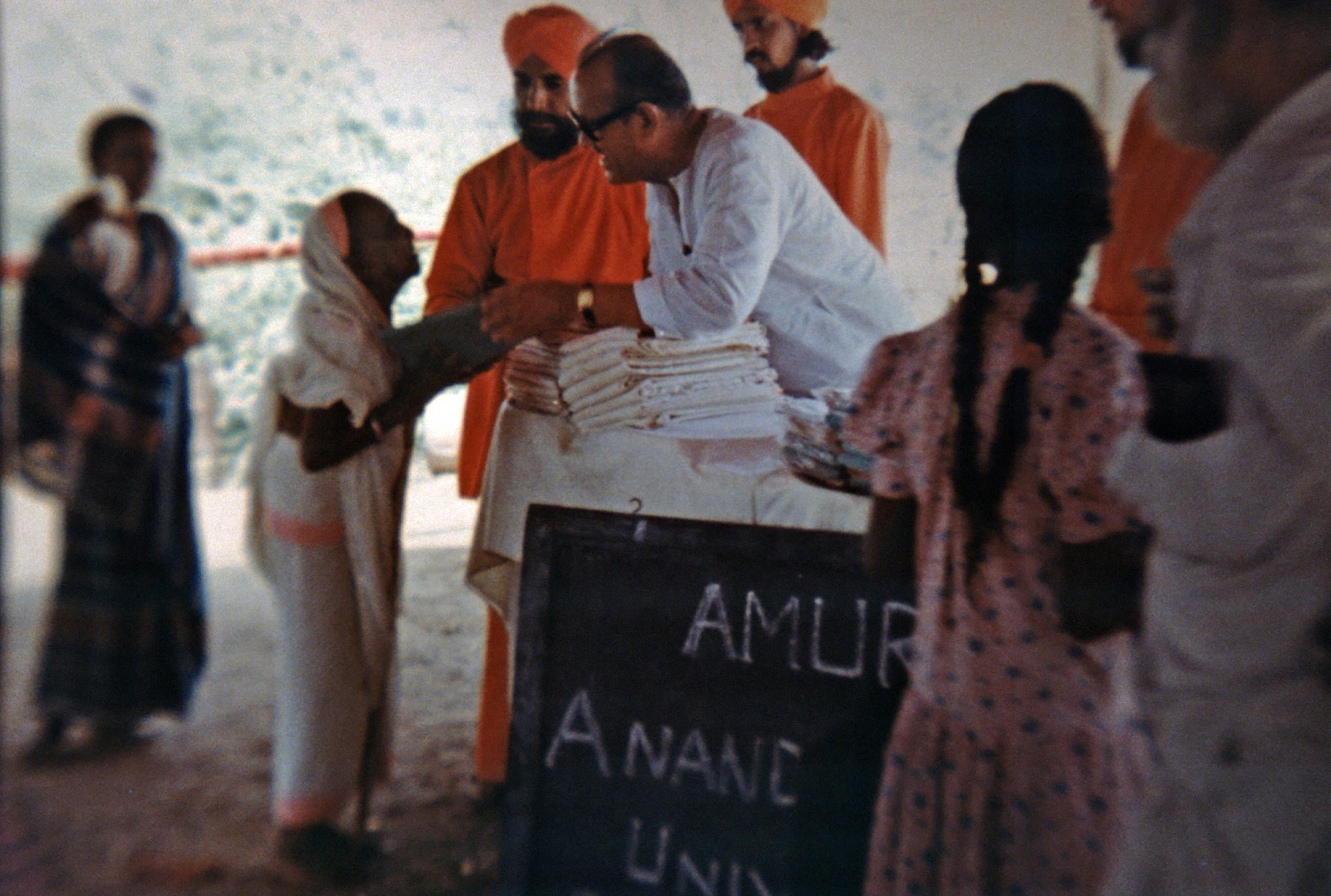
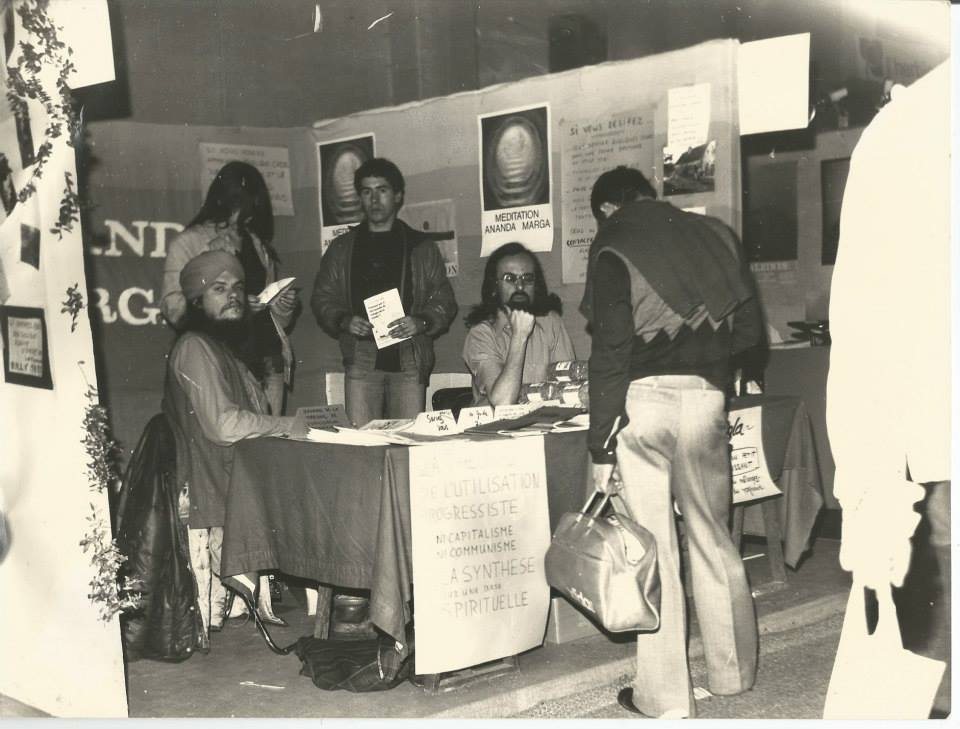
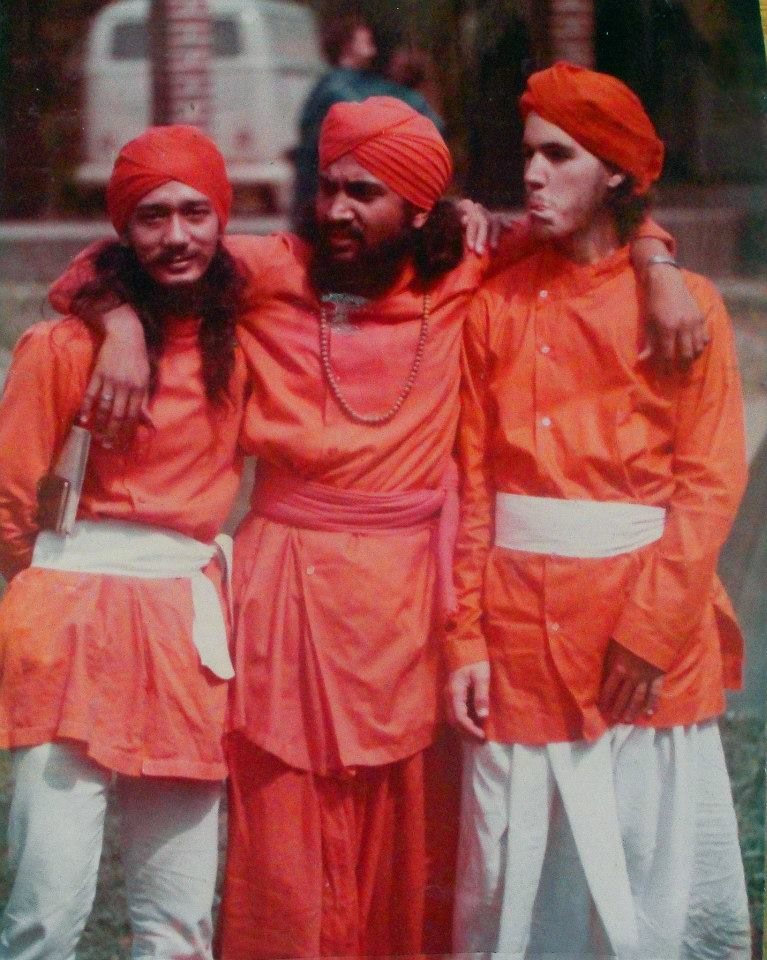
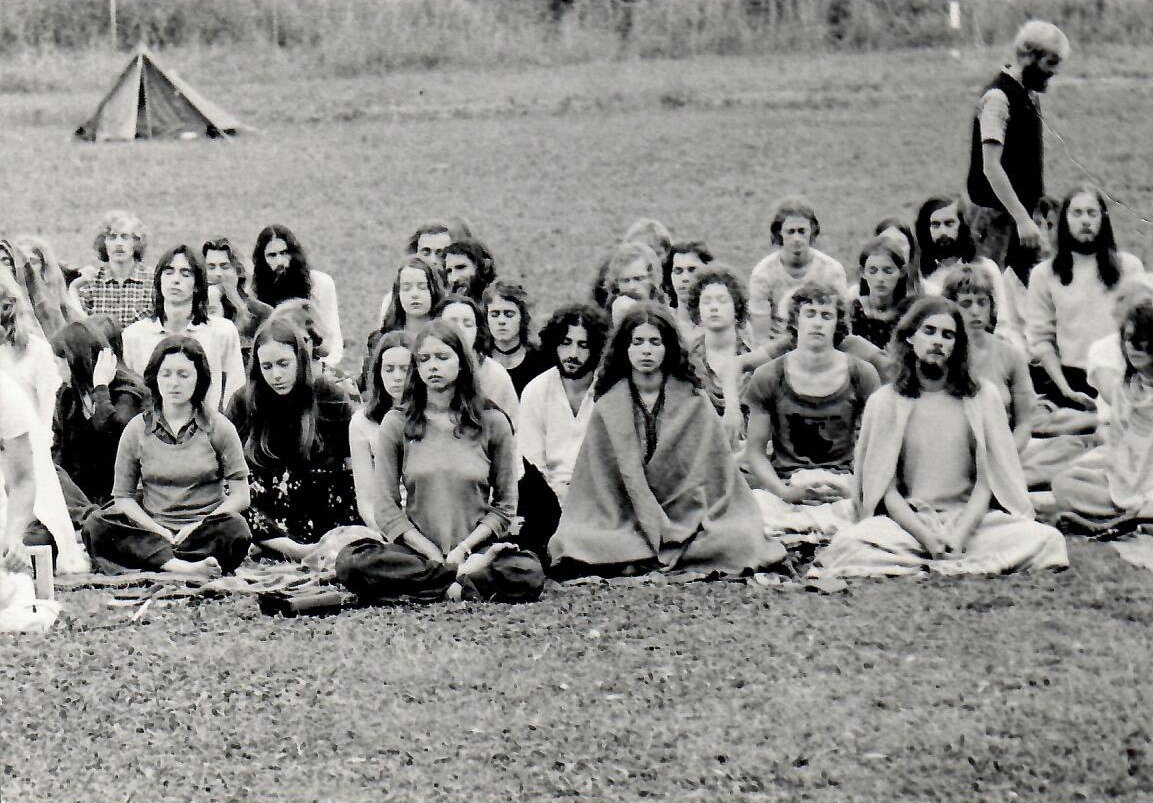
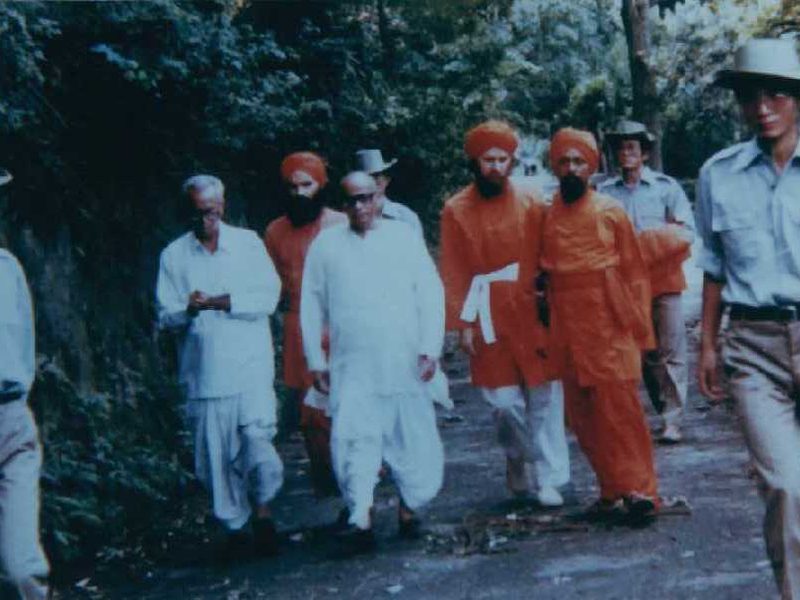
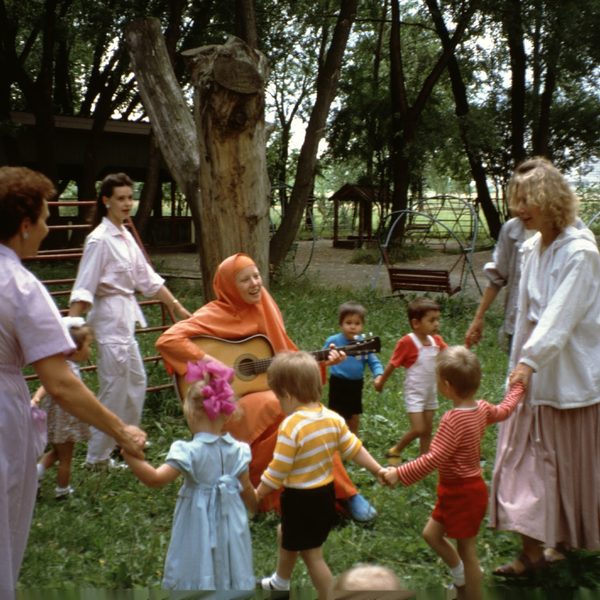
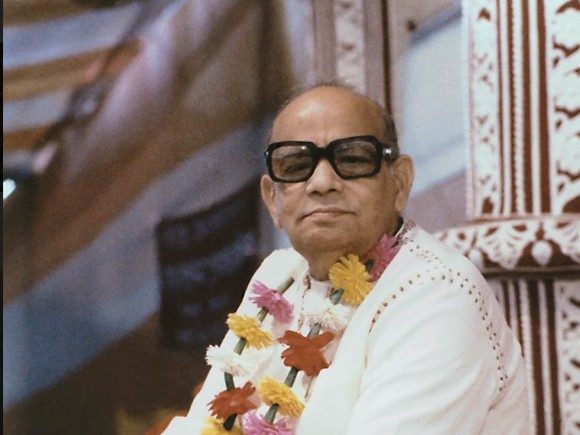
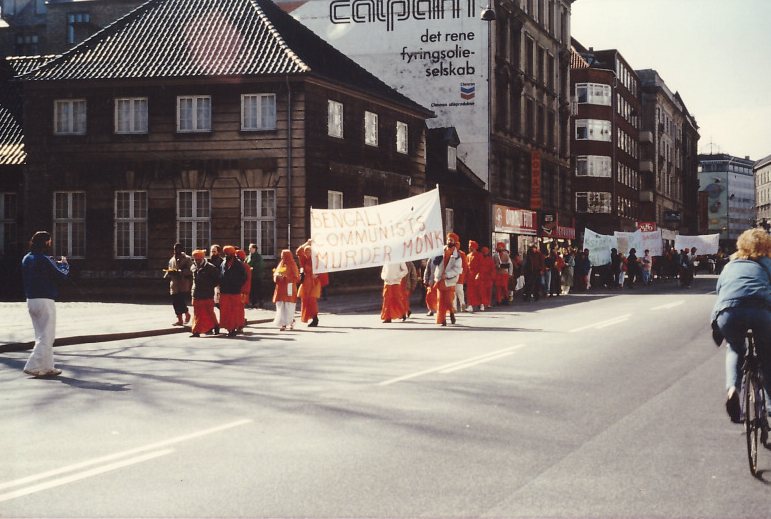
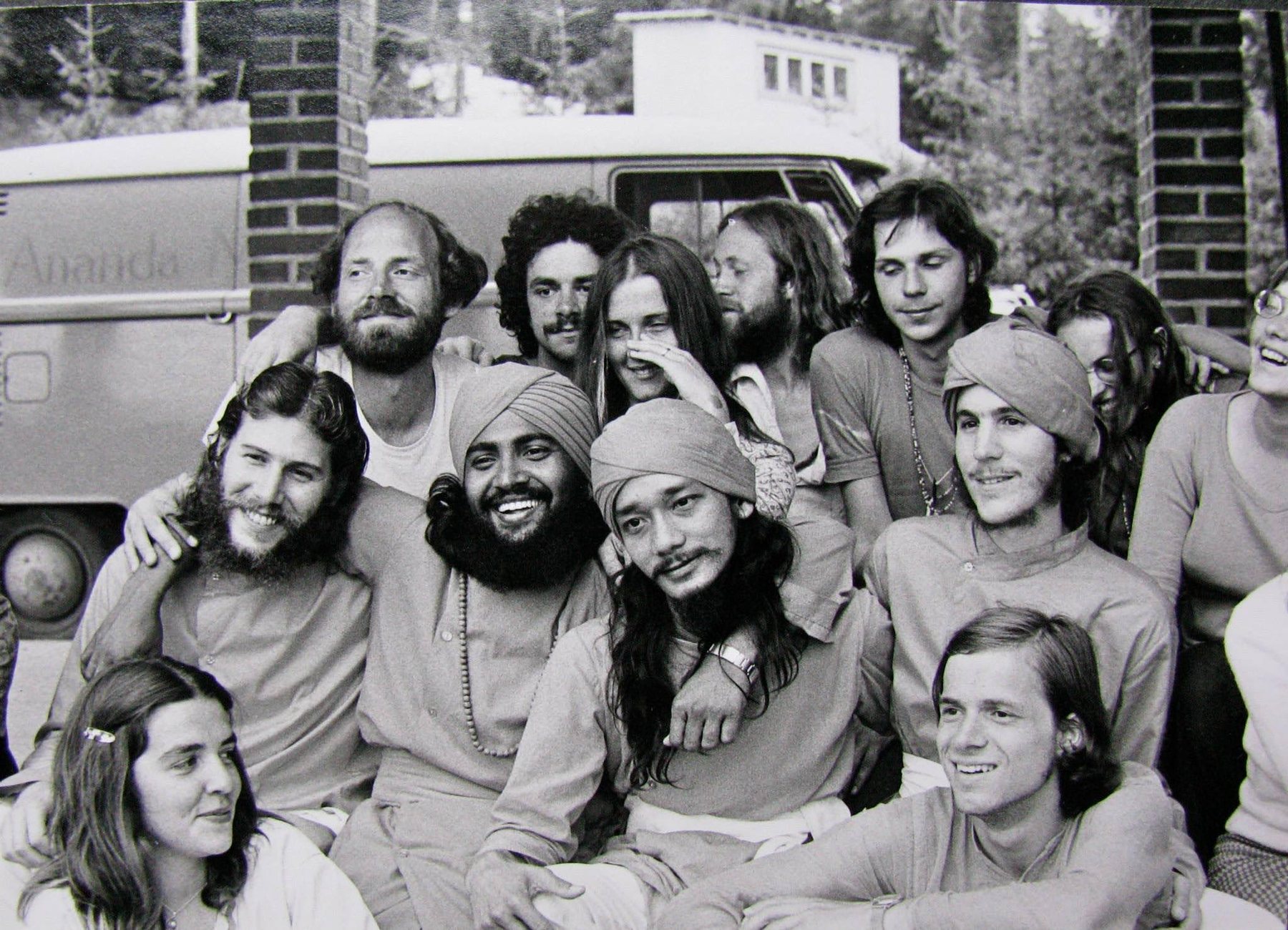
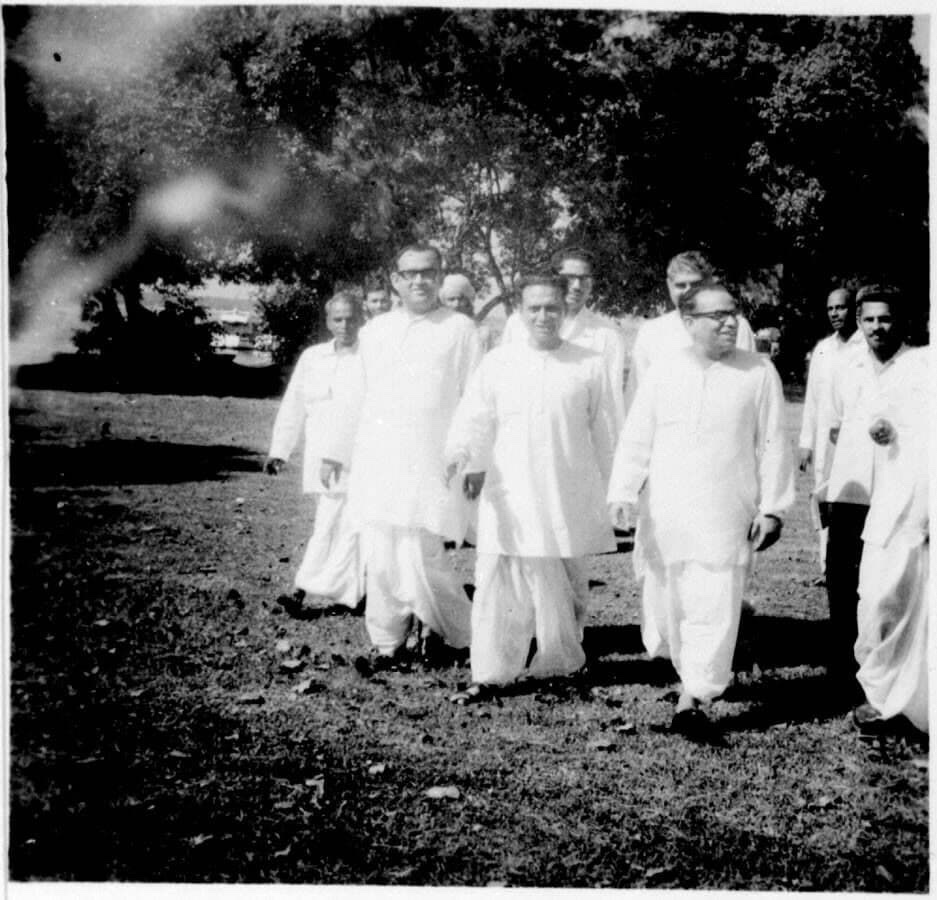
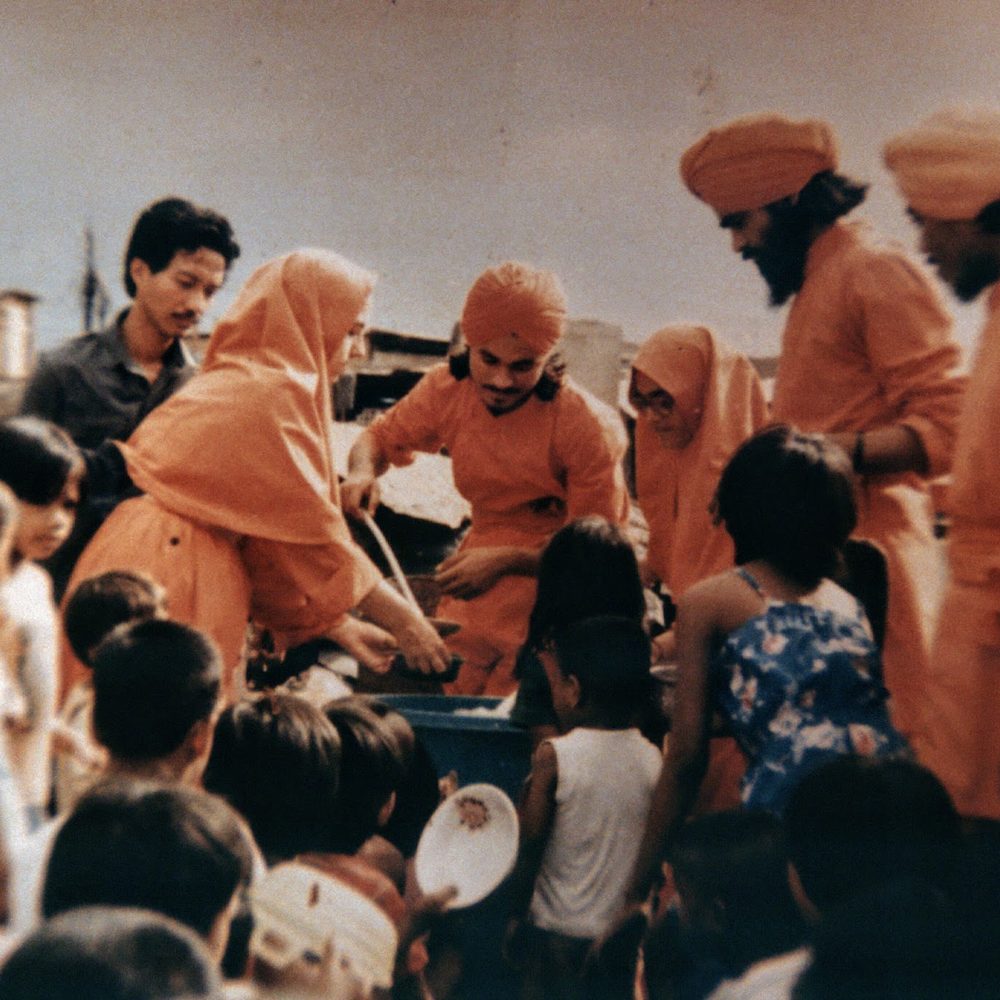
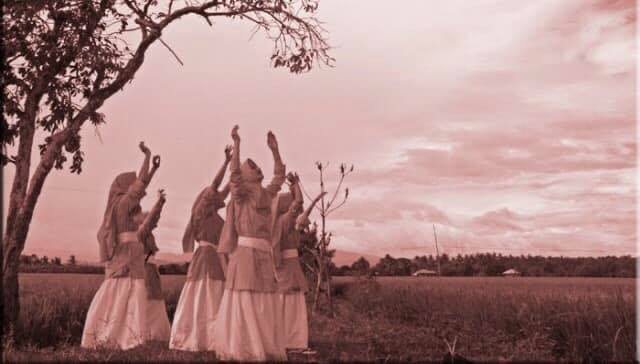
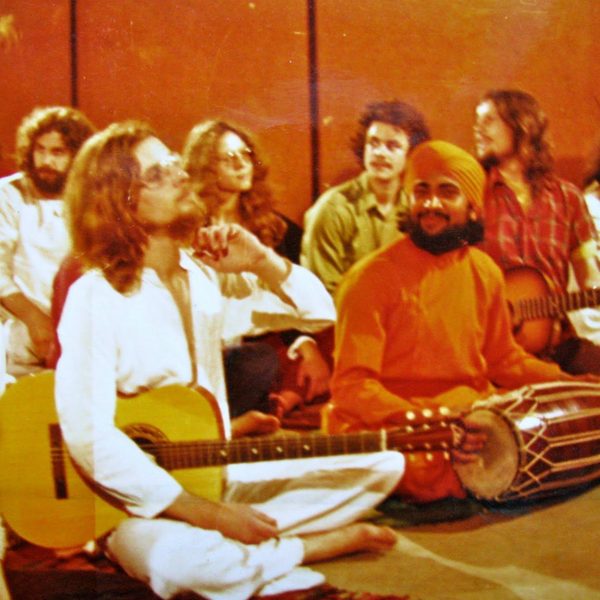
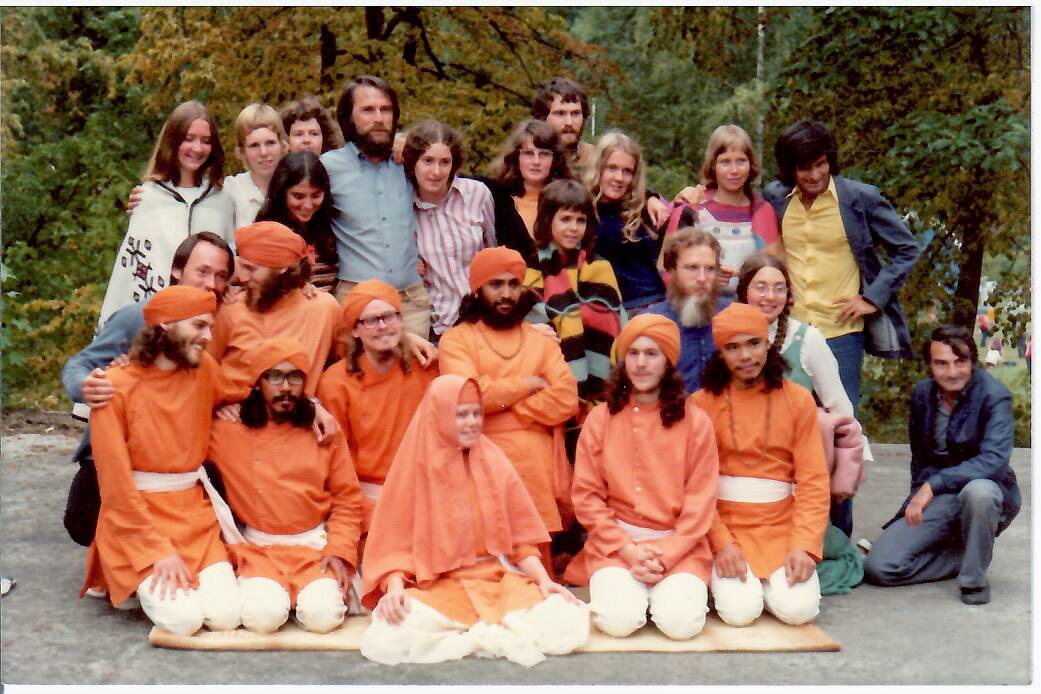
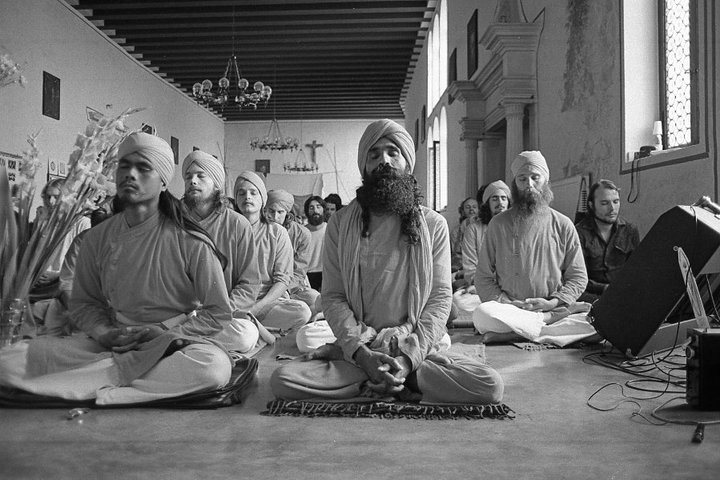
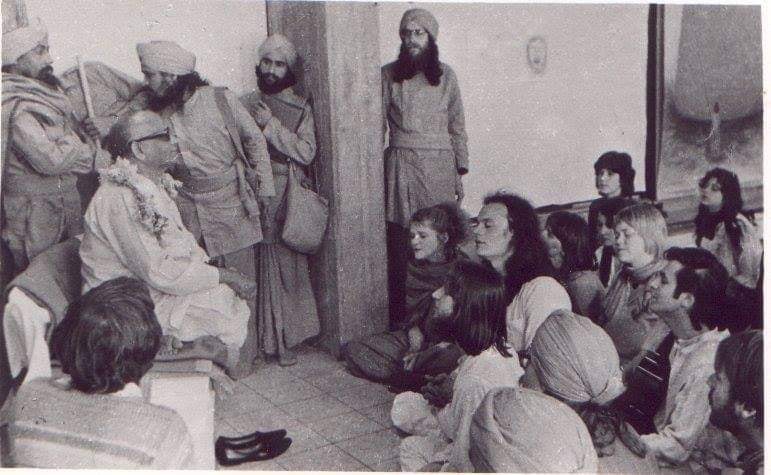
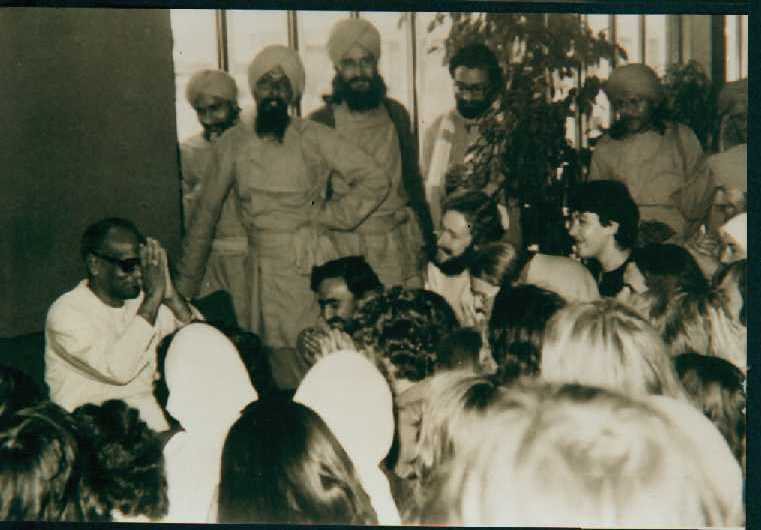
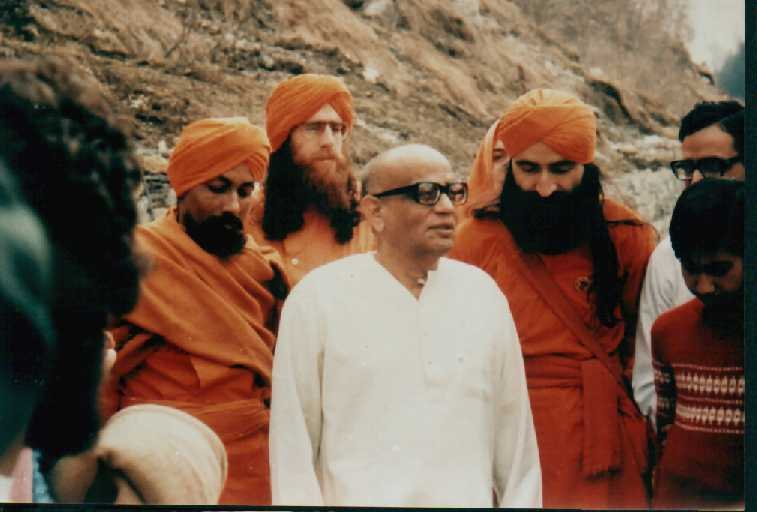
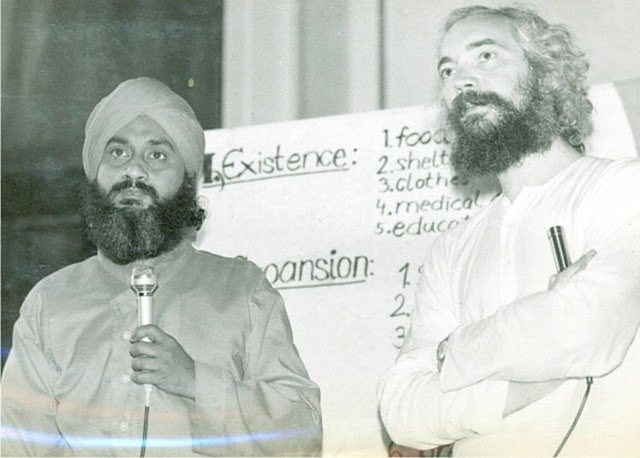
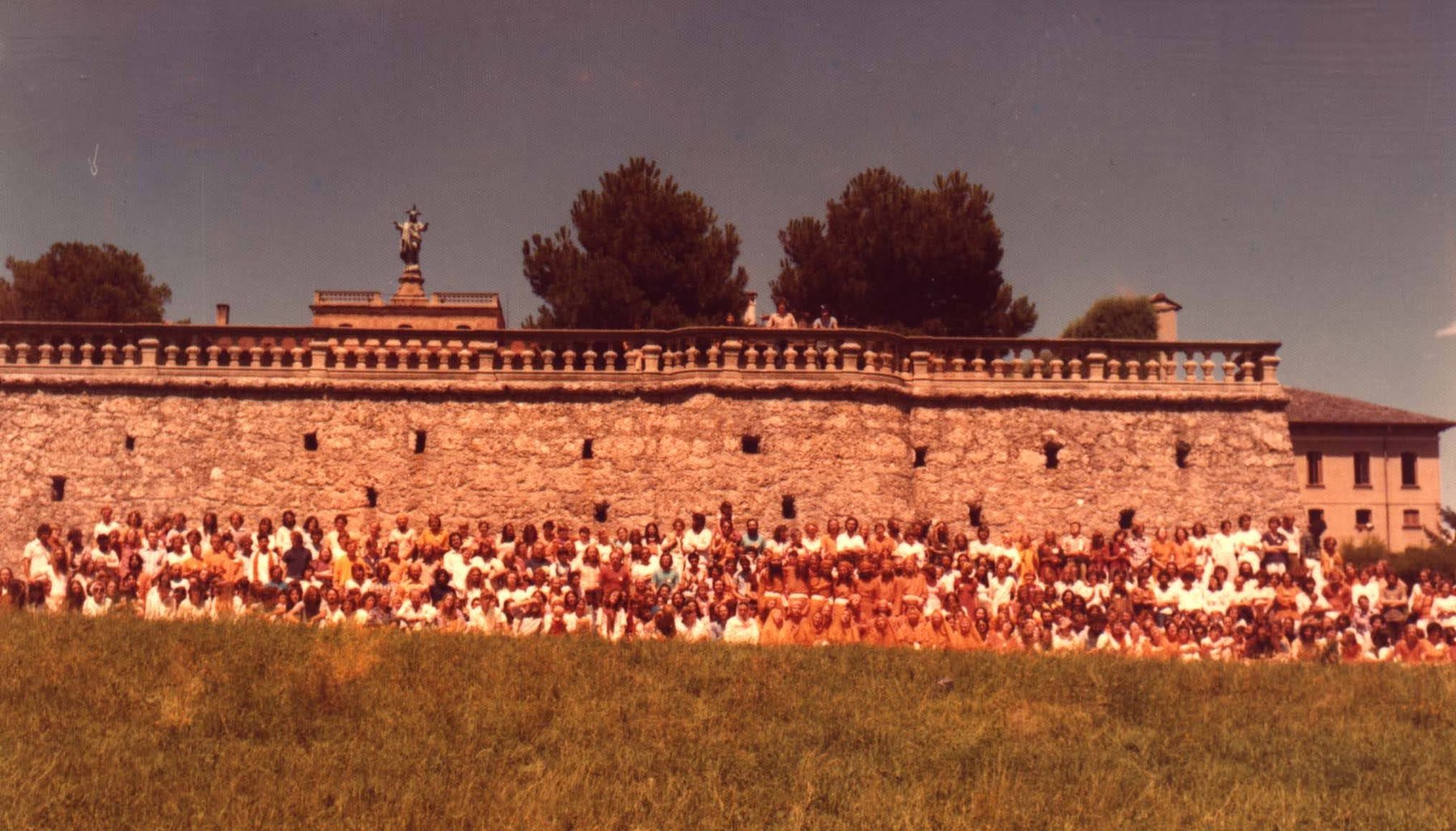
The Ananda Marga of today is no longer the small Jamalpur Organization of those early days: the people of Jamalpur have had to surrender it to the population of the world.
From Jamalpur to the world
The years the first teachers reached each part of the world.
- 1966AfricaNairobi, Kenya: the first worker sent outside India
- 1967East AsiaMalaysia, Singapore, the Philippines
- 1969North AmericaCarbondale, Illinois
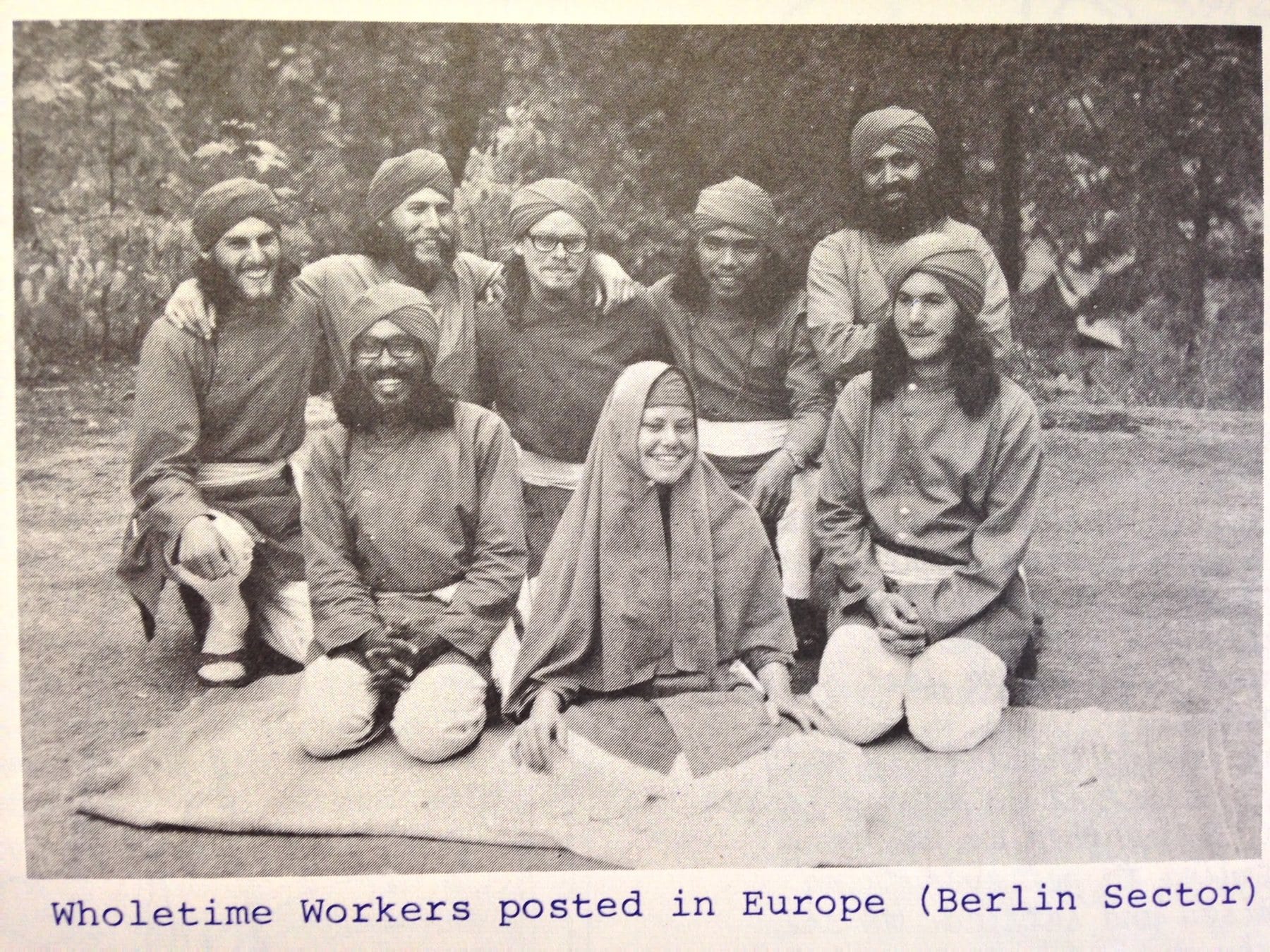
- 1970EuropeThe first worker arrives
- 1972Australiaand South America
- 1973Middle EastThe first centers
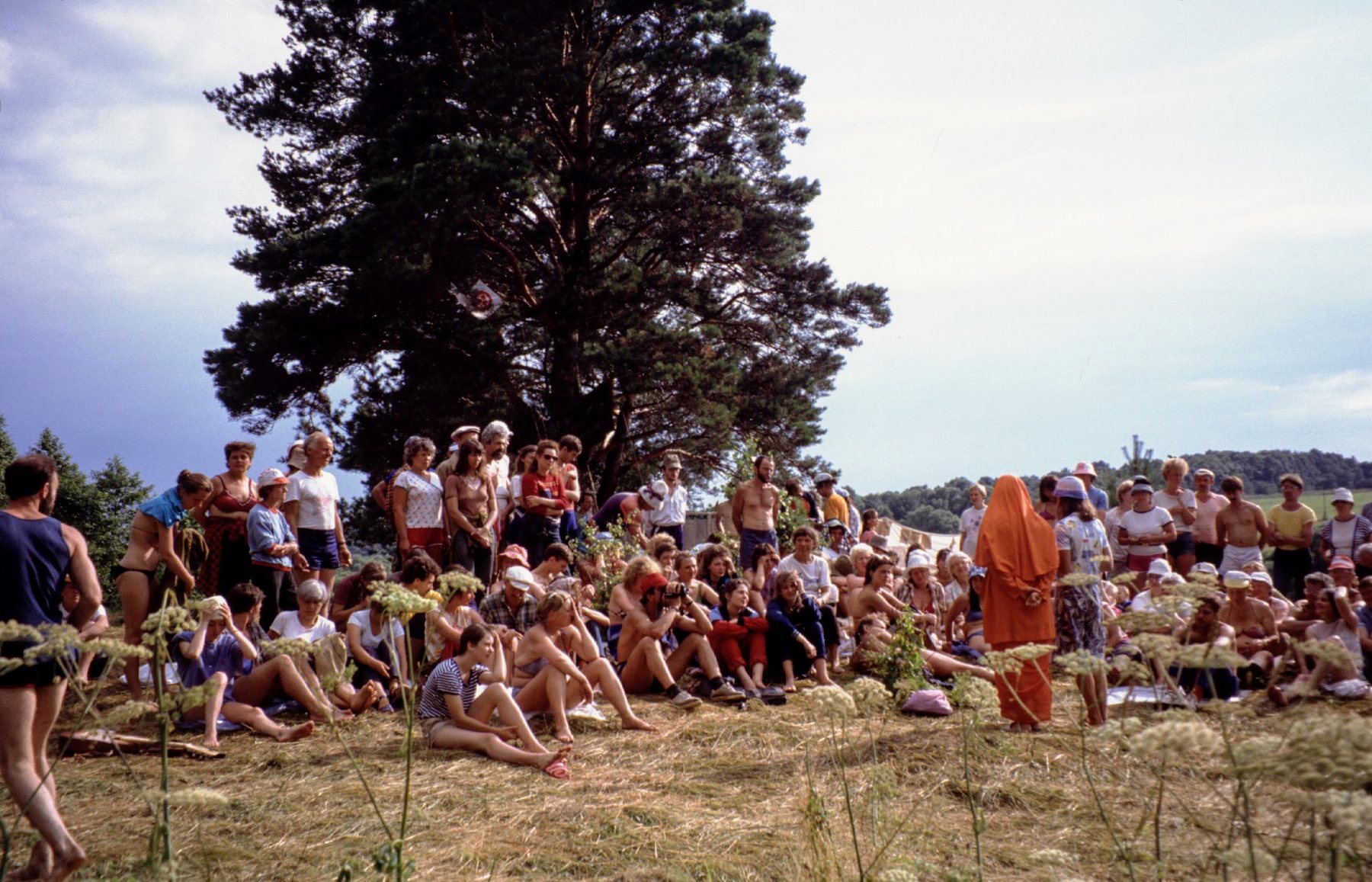
- 1983Soviet UnionThe first monk is sent; the movement begins there
- 851975 · countries
- 1051978 · countries
- 130+Today · countries
How it grew
1954
1954–1958
The beginning
On Sunday, 7 November 1954, Prabhat Ranjan Sarkar gathered the disciples he had been initiating one by one in Jamalpur and introduced them to one another. That is the day Ananda Marga took shape as an organization; on 9 January 1955, at its first Dharma Mahácakra, the gathering at which Shrii Shrii Ánandamúrti spoke and blessed all present, it received its name.
- 1 January 1955
- The first festival, in Jamalpur.
- 9 January 1955
- The first Dharma Mahácakra, in Jamalpur; the organization is named Ananda Marga Pracáraka Saḿgha.
- 15–28 March 1955
- The first group of ácáryas, family people trained to teach meditation.
- April–May 1955
- The first táttvikas, márgiis trained in the philosophy.
- 6 May 1955
- The first Vaishakhi Púrńimá festival, at Monghyr.
- 1955
- The first book of the philosophy.
- 1956
- The social code Caryácarya.
- 1957
- The first Jágrti, a center, opens in Jamalpur.
- 26 January 1958
- The first Renaissance Universal club, at Trimohan, Bhagalpur: a forum for intellectuals and artists.
1959
1959–1961
A social philosophy
On 5 June 1959 in Jamalpur Shrii Shrii Ánandamúrti gave "The Cosmic Brotherhood", the discourse that first named PROUT, the Progressive Utilization Theory. From then on the movement worked in two directions at once: meditation for the individual, and a just economic and social order for all.
- 1960
- An order of yogic monks and nuns is created.
- 1961
- The first training center opens, and the first wholetime workers are trained.
1962
1962–1966
Monks, nuns and service
Meditation and service now went side by side: the order of monks and nuns grew, and schools, relief and welfare began.
- 1962
- Ácárya Satyananda becomes the first avadhúta, the first monk of the order.
- 1963
- The Education, Relief and Welfare Section (ERAWS) is founded. Land in Purulia district, West Bengal, is named Ánanda Nagar and becomes the headquarters.
- 1963–64
- The Ananda Marga Board of Education is set up and the first schools open.
- 1964
- Seva Dharma Mission is founded.
- 1965
- The Women’s Welfare Department, run by women, is set up.
- 1966
- Ánanda Bharati becomes the first avadhútiká, the first nun. The Tribal and Backward People’s Welfare section is founded and the first Ananda Marga college opens at Ánanda Nagar. A relief team goes to cyclone-hit Orissa.
- 1966
- The first worker is sent outside India, to Nairobi.
- 31 December 1966
- Shrii Shrii Ánandamúrti moves from Jamalpur to Ánanda Nagar.
From a memoir
At the 1963 Dharma Mahácakra, a disciple remembers, Shrii Shrii Ánandamúrti took from his pocket the blueprint of Ananda Marga he had written at the age of sixteen, and from it declared the beginning of the Education, Relief and Welfare Section.
Dada Dharmavedananda, Travels with the Mystic Master 
1966
1966–1979
Across the world
In 1966 the first worker was sent outside India, to Nairobi. Within a few years there were teachers in East Asia, North America and Europe, and by the early 1970s in Australia, South America and the Middle East.
- 1967
- Units in Malaysia, Singapore and the Philippines; the first wholetime worker comes to the Philippines.
- 1968
- Ananda Marga is registered in the Philippines and in Kenya. An engineering college opens at Ánanda Nagar.
- 1969
- The first Dharma Mahácakra outside India, in Manila. In September the first North American unit, at Carbondale, Illinois.
- 1970
- The first worker arrives in Europe.
- 1971
- After the war in Bangladesh, AMURT shelters and feeds many thousands of refugees.
- 1972
- The first worker reaches Australia.
- 1973
- Workers begin Ananda Marga in the Middle East. After the earthquake in Managua, Nicaragua, AMURT is recognized internationally for its relief work.
- 1975
- Ananda Marga is in 85 countries.
- February 1976
- A training center for wholetime workers begins in Sweden.
- 1978
- Ananda Marga is in 105 countries and has decentralized its structure. In July a training center opens at Davao, in the Philippines.
- January 1979
- AMURT brings relief after the floods in West Bengal.
- May 1979
- After the release from prison Shrii Shrii Ánandamúrti travels abroad for the first time: a Dharma Mahácakra at Fiesch, Switzerland, then Germany, Holland, Sweden, France and Spain.
- August–September 1979
- Thailand and Taiwan, then a Dharma Mahácakra at Kingston, Jamaica, and on to Venezuela, Copenhagen, Frankfurt, Iceland, Tel Aviv, Istanbul and Athens.
1980
1980–1990
The last decade
On 21 February 1982 in Calcutta Shrii Shrii Ánandamúrti named Neohumanism, love extended to every living being. On 14 September 1982 came the first of the 5,018 songs of Prabhat Samgiita. In 1983 Shrii Shrii Ánandamúrti began the program of master units, model communities that live from their own land, and on 31 December 1986 introduced the idea of microvita.
In September 1990 Shrii Shrii Ánandamúrti declared Gurukul, a network for neohumanist education. Shrii Shrii Ánandamúrti left the body on 21 October 1990 at Tiljala, Calcutta; the last song was composed the day before.
- August 1980–April 1981
- The series of discourses on Krśńa, later published as Namámi Krśńasundaram.
- 1981
- A Dharma Samiksá of more than two thousand workers and márgiis from all over the world, on discipline and morality; in September the first annual global conference, at Rüsselsheim, Germany.
- 1983
- The first monk is sent to the Soviet Union, and Ananda Marga begins there.
- 1983
- Ananda Marga is registered in Canada. In June and November Shrii Shrii Ánandamúrti gives Varńa Vijinána and Varńa Vicitra, discourses on language.
- January–April 1984
- A tour of North India with Dharma Mahácakras.
- 23 March 1985
- The 2,500th song of Prabhat Samgiita is completed.
- 1985
- Shabda Cayaniká is given (8 September), and ten letters are added to the Sanskrit alphabet. Ravi Batra’s The Great Depression of 1990, drawing on Shrii Shrii Ánandamúrti’s work, is published; two years later it is an international bestseller.
- 1988
- The unit in Leningrad (today Saint Petersburg) celebrates his birthday. On 18 July an academy in Beijing invites him to a symposium on the future, and Ácárya Raghunath attends on his behalf.
- August 1989
- The President of Burkina Faso comes to India to see him; the government of West Bengal does not give permission.
- 26 and 28 October 1990
- The cremation at the Central Office in Tiljala, Calcutta, and the Shraddhánjali ceremony.
1990
1990–today
After 1990
In November 1990 Ácárya Shraddhananda Avadhuta was elected to lead the organization.
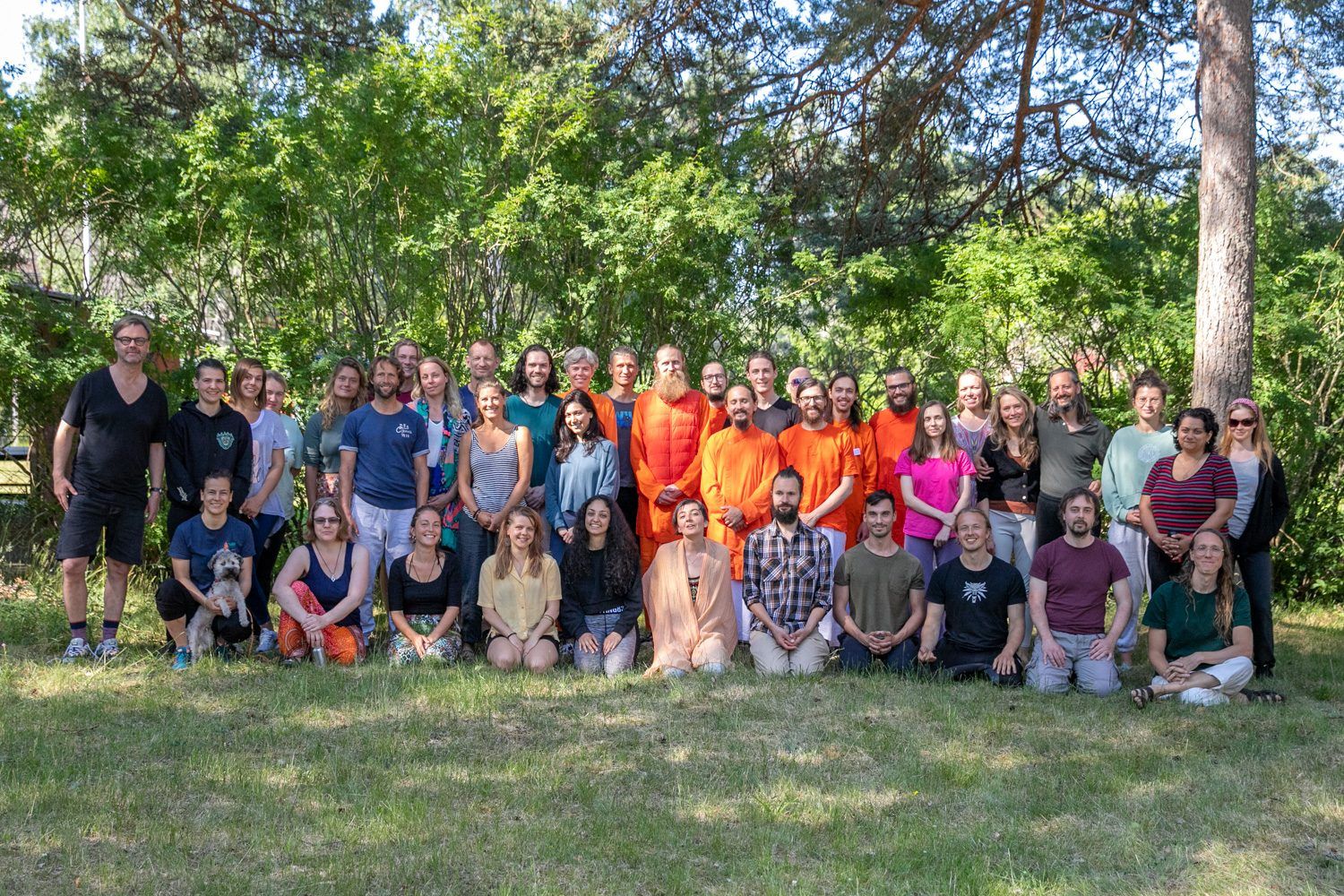
After 1990, disagreements over how the organization should be led divided it, and today more than one body works under the name Ananda Marga. Through all of it Shrii Shrii Ánandamúrti’s work has gone on: meditation is still taught free of charge, and the schools, relief work and master units begun in those years carry on around the world.
The hard years
A movement that spoke against caste, corruption and exploitation made powerful enemies. These are the hardest days in its history.
- 5 March 1967
Ánanda Nagar attacked
A mob attacked the headquarters at Ánanda Nagar and killed five workers.
- 8 May 1969
Barred from government posts
The Indian government barred Ananda Márgiis from government posts; the Supreme Court later overruled the order.
- 29 August 1969
Arrest at Cooch Behar
Shrii Shrii Ánandamúrti was arrested at Cooch Behar, in Bengal, and released on 2 September. One worker was killed in the struggle.
- June 1971
Raids and a first arrest
The police raided the headquarters at Ranchi and found nothing. Shrii Shrii Ánandamúrti was arrested in Patna on 26 June and freed after a court hearing at midnight on 27 June.
- 29 December 1971
Shrii Shrii Ánandamúrti arrested
Shrii Shrii Ánandamúrti was arrested in Patna and held in jail on charges of which the High Court later acquitted him.
- 12 February 1973
Poisoned in jail
Shrii Shrii Ánandamúrti was poisoned in Bankipur jail, Patna. From 1 April 1973 Shrii Shrii Ánandamúrti took nothing but two cups of liquid a day, demanding an inquiry, for more than five years.
- 4 August 1973
The members of Parliament
Four members of Parliament visited him in prison and asked him to end the fast. By then he had written seven letters to the governor of Bihar; none was answered.
- April 1973–June 1978
Protest by fire
In protest, seven workers of Ananda Marga took their own lives by fire: in Patna (5 April 1973) and in Delhi (24 April 1973); in Bankipur jail (11 December 1974); in Germany, two on 4 February 1977; in Dallas, Texas (17 February 1977); and a last one on 6 June 1978.
- 27 April 1974
A commissioner’s report
A commissioner appointed by the government reported in favor of Ananda Marga.
- 4 July 1975
Banned
Under the Emergency, Ananda Marga was banned in India; its offices and schools were raided, and hundreds of its workers and members were arrested. In February 1976 a jurist of the International Commission of Jurists came to inquire into Shrii Shrii Ánandamúrti’s case.
- 22 March 1977
The ban lifted
After the elections the Emergency ended and the ban on Ananda Marga was lifted. The case against Shrii Shrii Ánandamúrti was reopened in a higher court.
- 2 August 1978
Released
The Patna High Court acquitted Shrii Shrii Ánandamúrti on 4 July 1978, and Shrii Shrii Ánandamúrti walked free on 2 August.
- 30 April 1982
Bijon Setu
After an attack on the Central Office in January, seventeen monks, nuns and members were killed by a mob in Calcutta at Bijon Setu and the Bondel Gate crossing.
- October 1983
The Táńd́ava case won
The Supreme Court of India upheld Ananda Marga’s right to practice its dance, ruling that it is protected under the Constitution.
- 2 April 1990
Ánanda Nagar again
Ácárya Asiimananda Avadhúta and four márgiis were killed at Ánanda Nagar.
From a memoir
On the day of the release, a disciple remembers, about seven thousand márgiis had come to the jail the night before and ten thousand more joined them; the crowd filled the street for two kilometers. Shrii Shrii Ánandamúrti was carried out on a stretcher, his weight down from 72 to 46 kilograms.
Where we are today
The work goes on in the same two directions Shrii Shrii Ánandamúrti set: meditation for each person, and service to all.
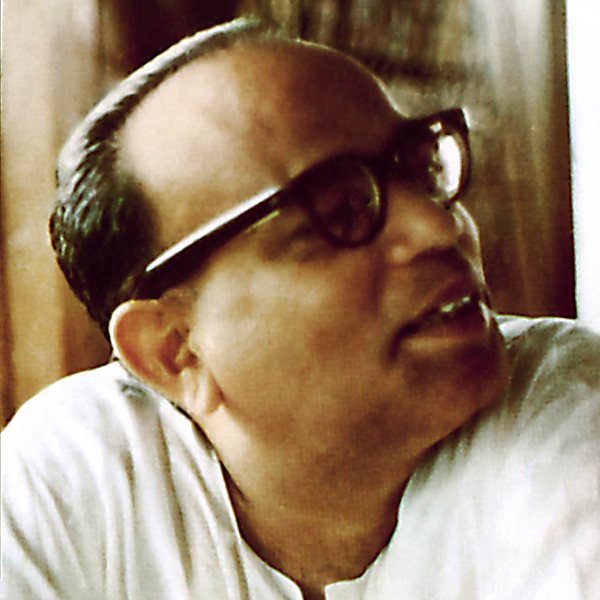
We have come to build a new society, to construct and to remain engaged in constructive works throughout our life. This would be the greatest mission of our life.