The Urokimeditatsii representative in Rostov-on-Don talks about how he came to meditation, why he decided to become a representative, and why he cannot imagine his life without serving people.
"The secret of happiness is to stop looking for it in the outer world and to turn the search inward." >Anton Katsiyaev
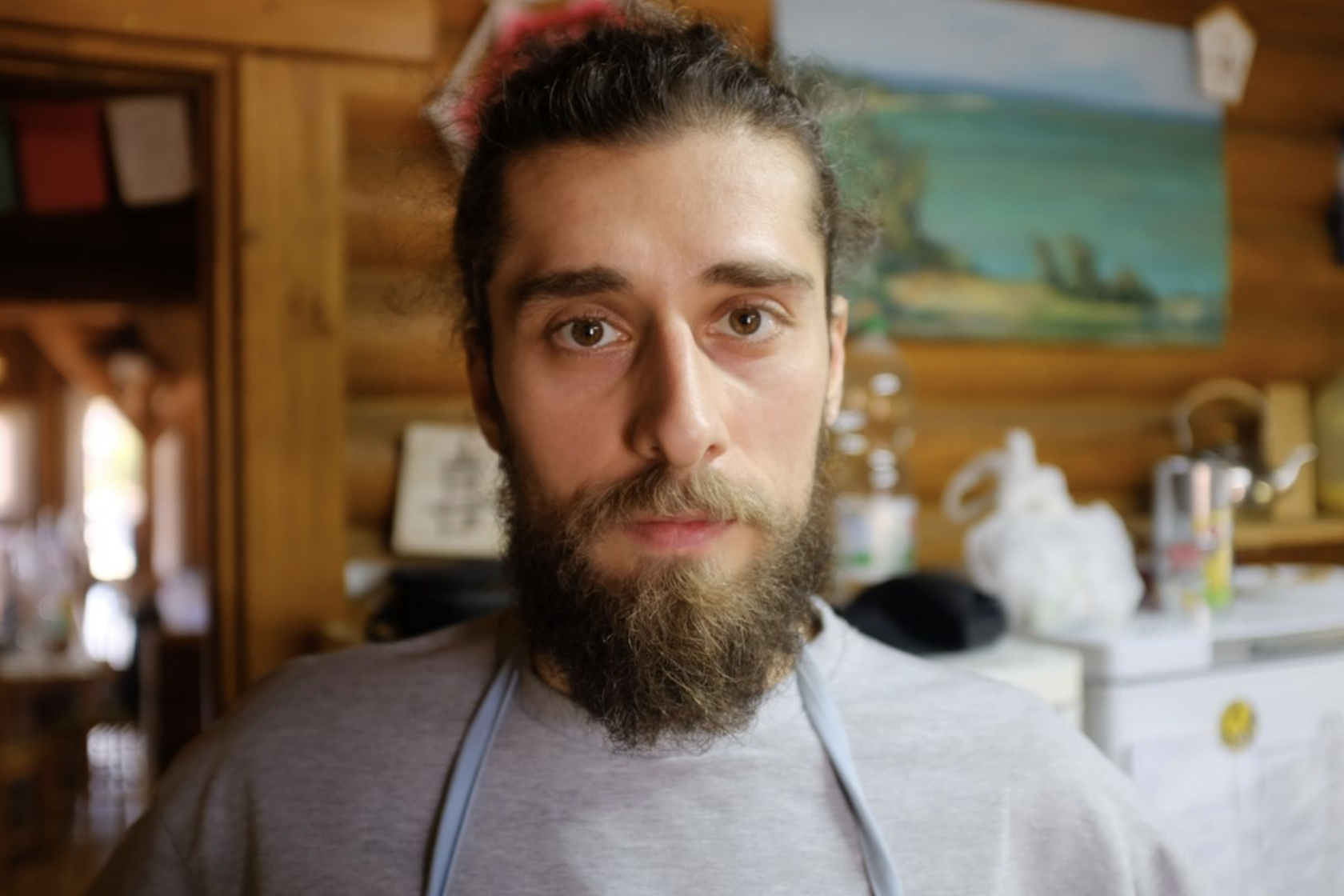
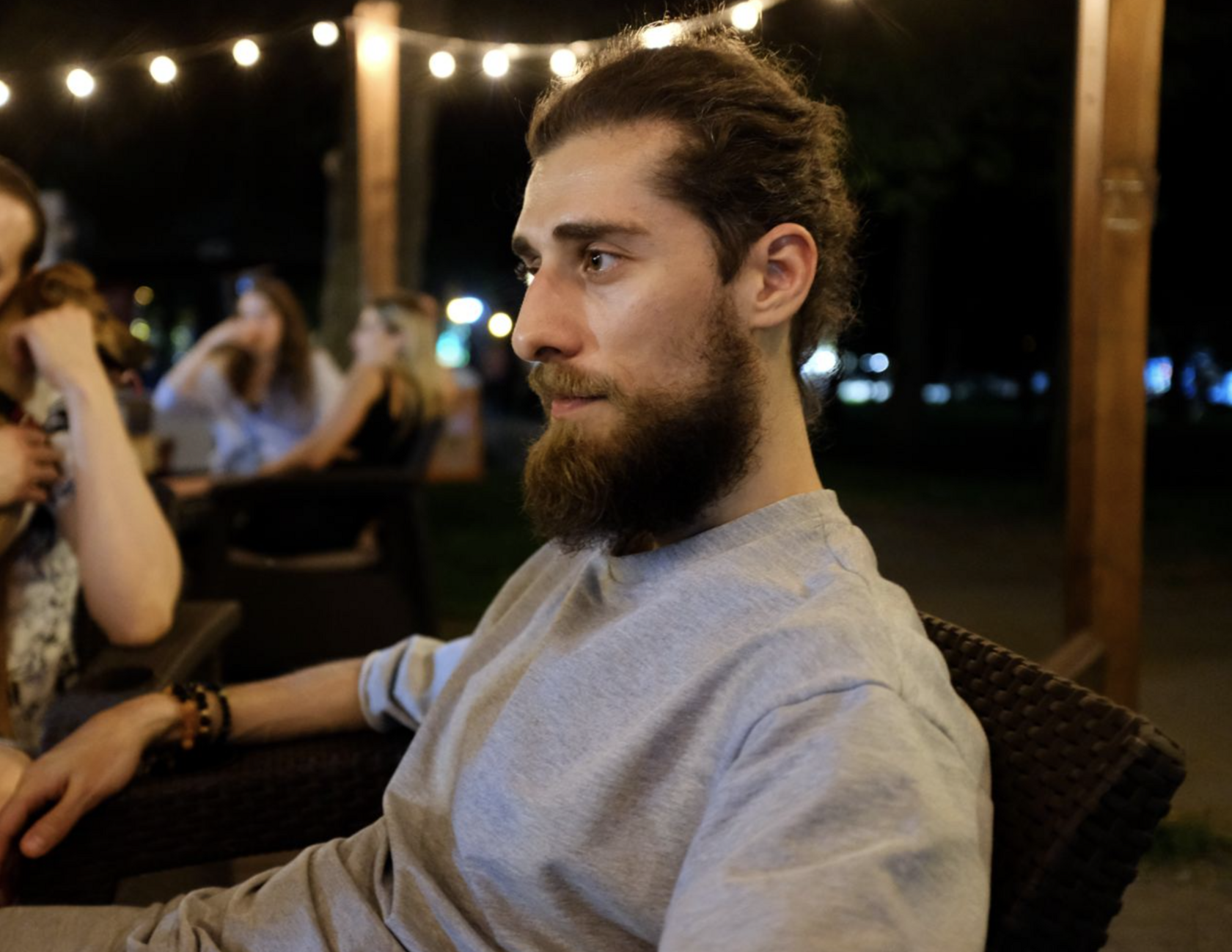
Today we talk with Anton Katsiyaev, the representative of the Urokimeditatsii (Meditation Lessons) project in Rostov-on-Don, about how he came to meditation, why he decided to become a representative, and why he cannot imagine his life without serving people.
— Hi! You are the representative of the Urokimeditatsii project in Rostov-on-Don, but where did it all begin? How did you come to the practice?
— I came across the word "meditation" while reading books on personal effectiveness and watching videos. At first I resisted it, thinking it was some kind of esoteric stuff. But then I found a book at home, The Foundations of Meditation, which my brother had bought many years earlier. It had been lying there, waiting for its moment.
The book was written in Soviet times, in a typically scientific style. The author talked about meditation, compared different spiritual traditions, and explained how this process unfolds in different cultures. I liked it very much, and I began to try meditating, using the simple exercises from the book. Once I started practicing regularly, questions piled up, and it was hard to tell whether I was moving in the right direction. Of course, I started watching all sorts of videos and kept looking for answers on the internet.
One day I came across a video with a man in orange clothes whom we all know — Dada Sadananda. In the very first video Dada answered almost all the questions I had accumulated. I immediately sent the video to my wife, and we began taking the basic course of meditation lessons together. Since then I have been meditating twice a day for seven years now. In that time a great deal in my life has changed.
— And how did you come to be a representative of the project?
— I had been practicing meditation for about a year and a half and decided that I needed to go on a retreat. I was very interested in a retreat with Dada Sadananda that was being held in Georgia, not far from Tbilisi. I thought it was the perfect combination — a beautiful country, delicious food, and a retreat. My wife and I went there and got to know Dada. It was wonderful and inspiring.
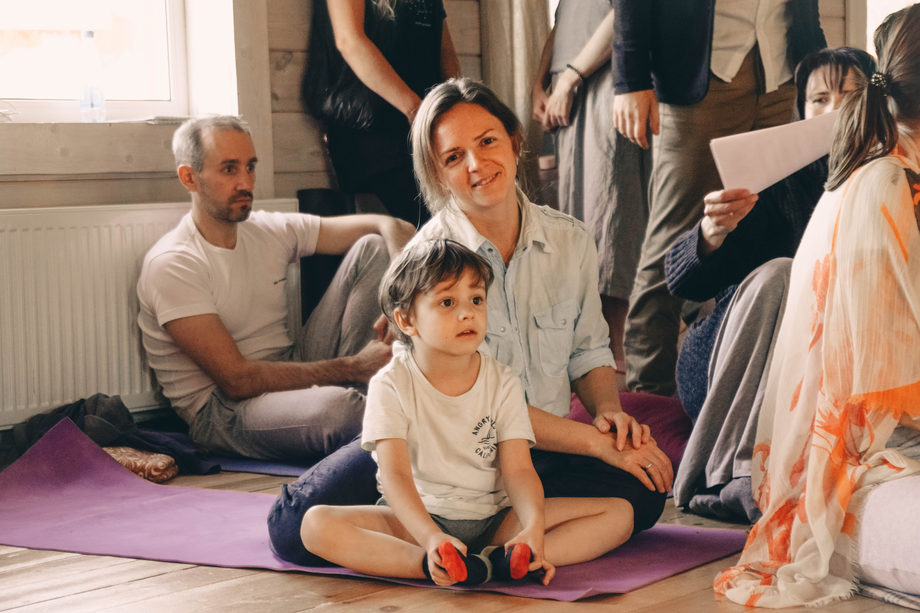
When I was talking with Dada, he told me that there were people in Rostov who practice together, and asked whether I attended group meditations. I said no, and Dada said, "Well, go." When I got back from the retreat, on the very first weekend I went to a group meditation, and from that day on I attended them regularly. Time passed, and I realized that at these gatherings I was surrounded by kindred spirits. Gradually we spent more and more time together, and I found new friends.
At the end of 2021 the Urokimeditatsii project opened its local representative offices. My friends and I decided to join right away, so that we could keep in touch and share experience with people from other cities. It was a big breakthrough.
That was when I became the Urokimeditatsii representative in Rostov-on-Don, and I have held that role for three years now.
— I've heard that one of the directions of your work is service. Tell us how you came to it.
— Talking with members of the community from different cities and even countries, we often agreed that meditation came to us at a difficult time in life. I was no exception: at that point I was facing serious difficulties, both at work and in my family, and in searching for answers to the questions of who I am and why I live. Once I began practicing regularly, I came to understand that I would like to do something useful for others. Around the same time Andrey Zvyagintsev's film Loveless came out, which told about the volunteer organization Liza Alert. The organization searches for missing people, and the film showed this work really powerfully. I found these people in Rostov and started taking part in searches. It turned out the film had not embellished reality at all — I was amazed at how motivated and well organized the volunteers were. That period changed my life dramatically: I understood that regular practice and selfless help to others give the inspiration and fulfillment I had been missing.
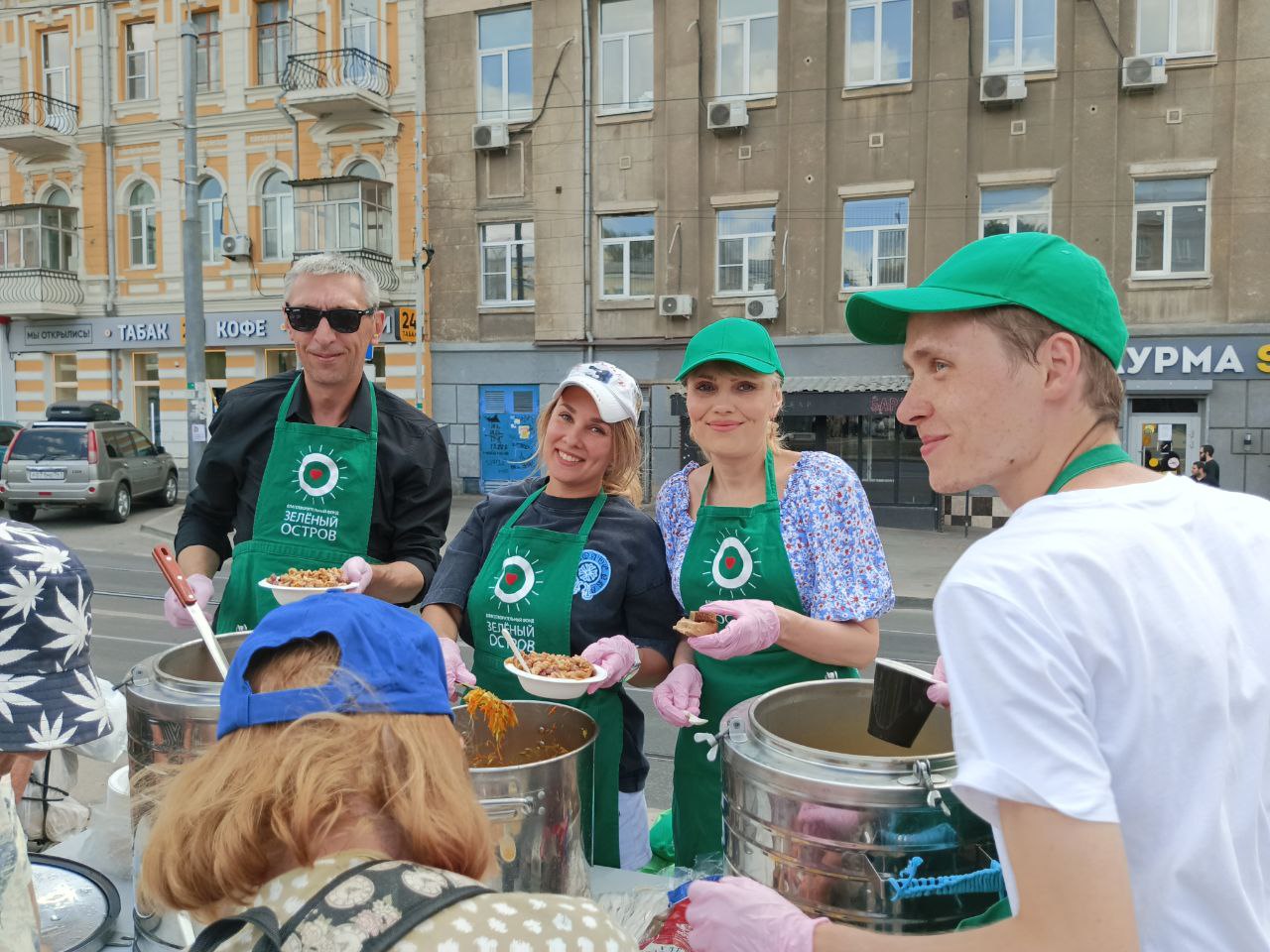
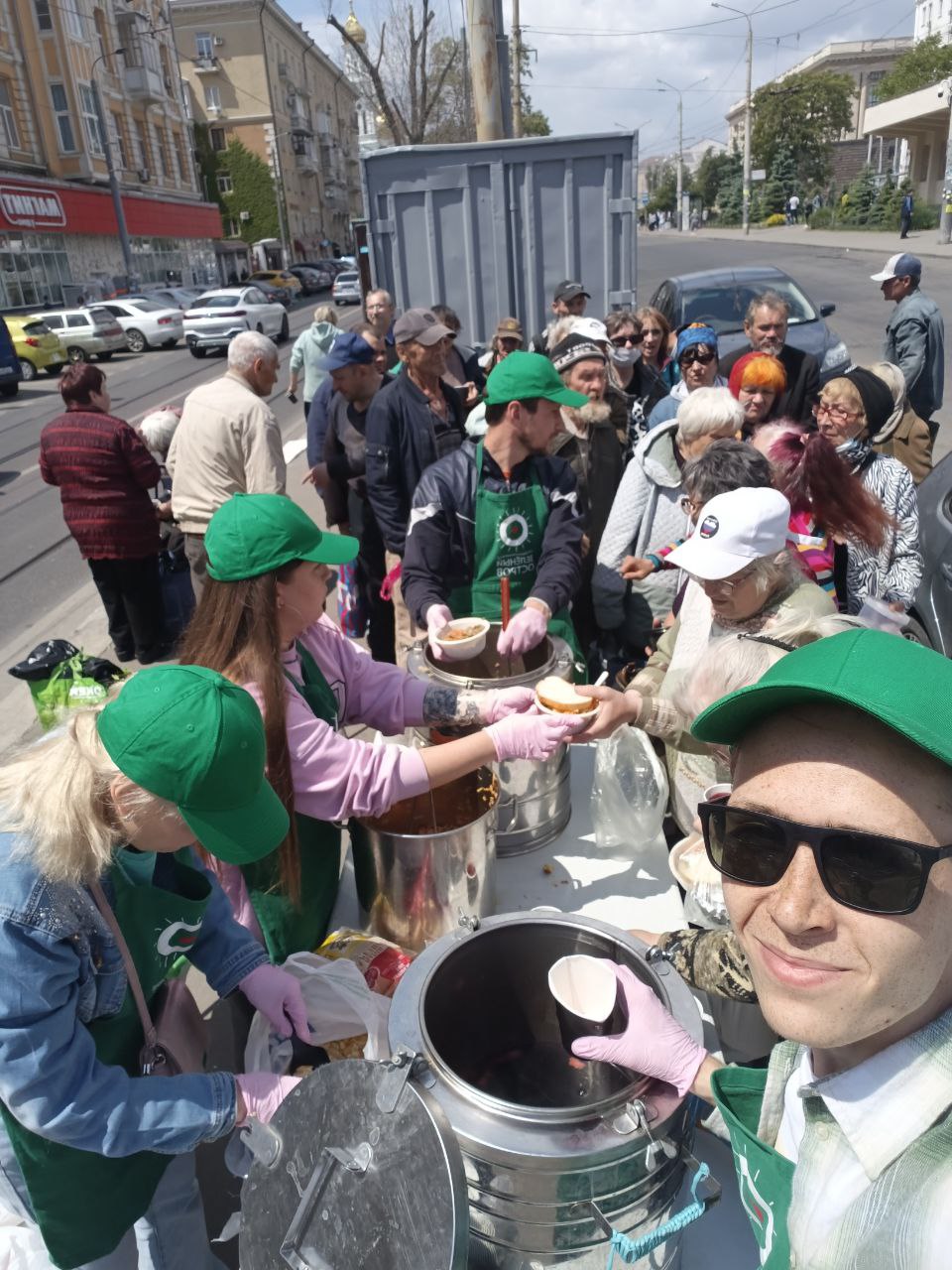
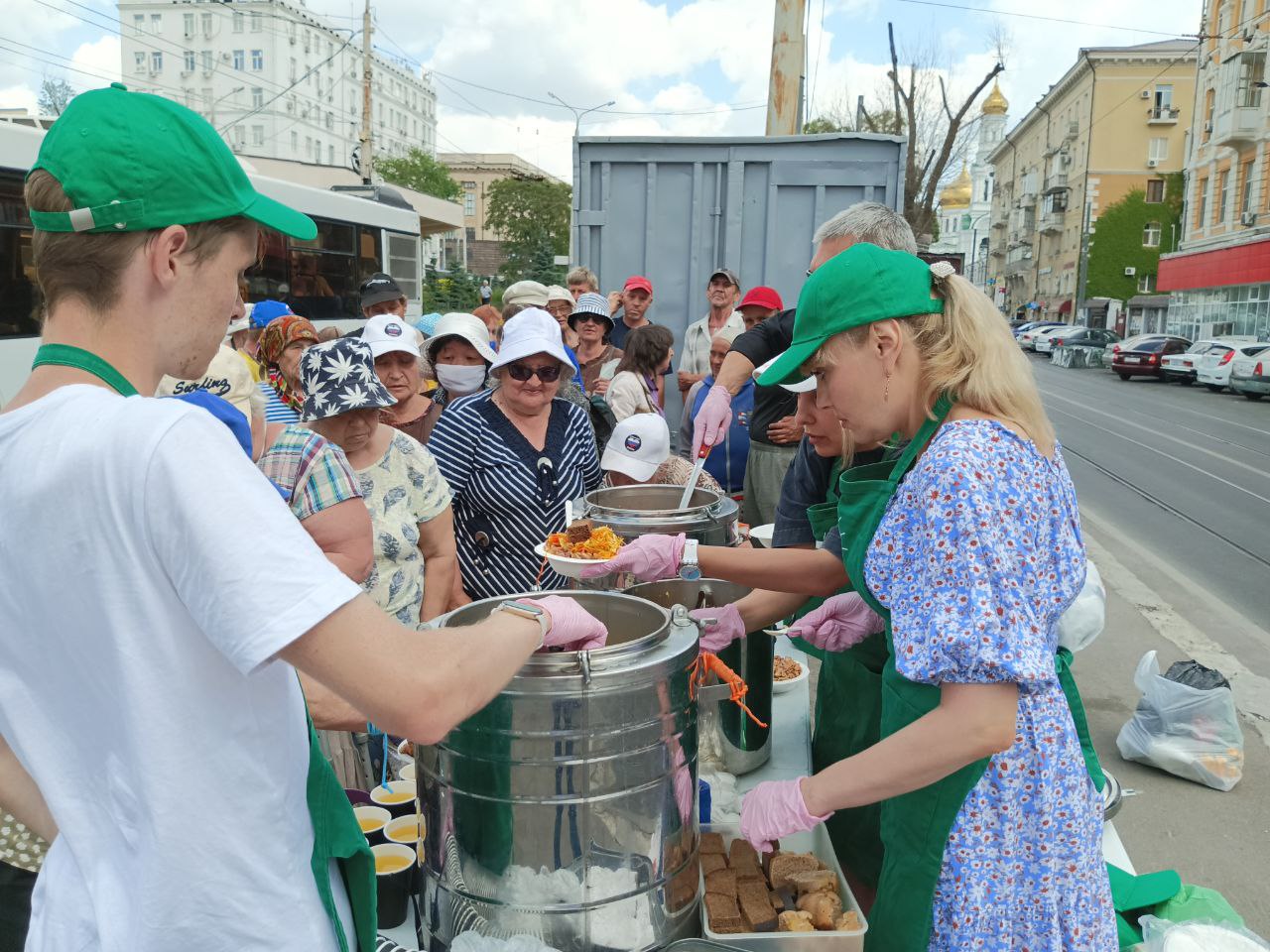
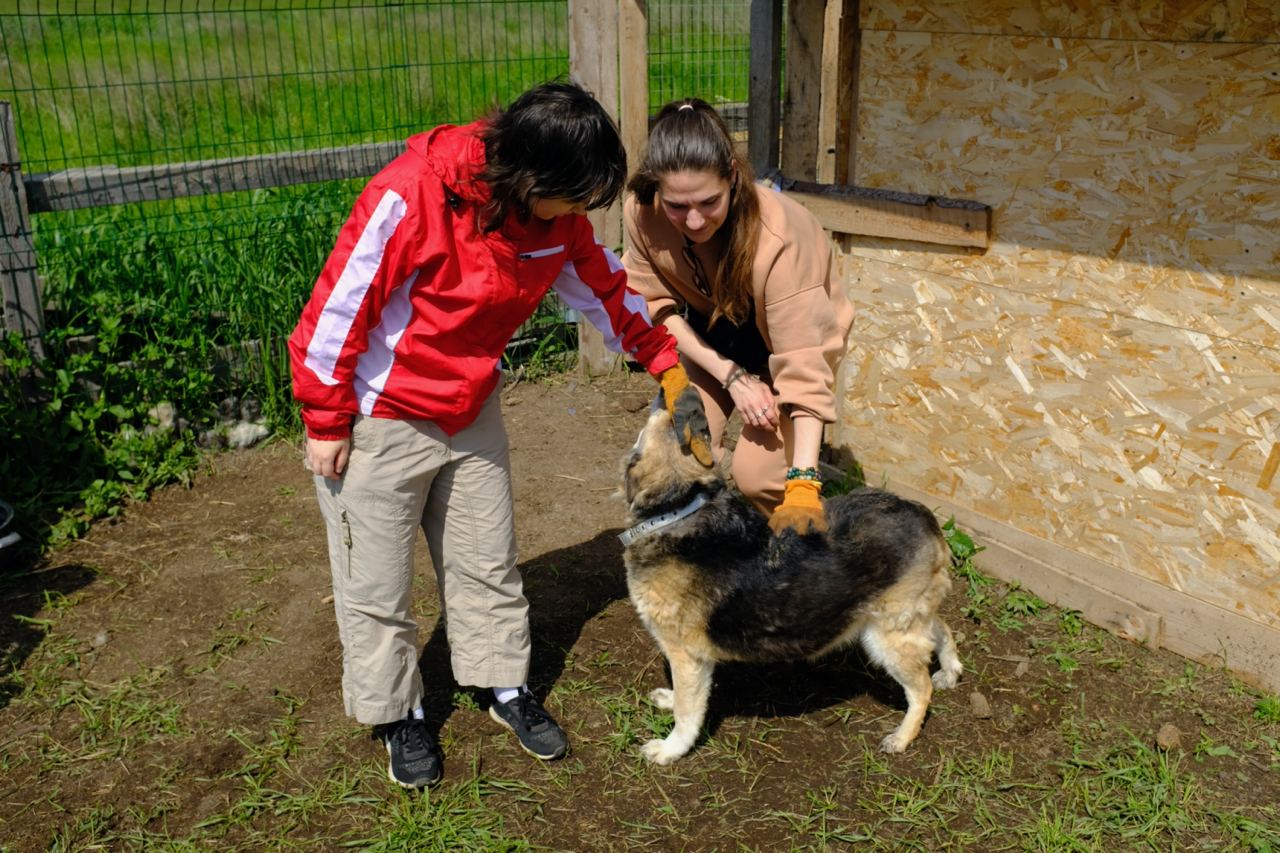
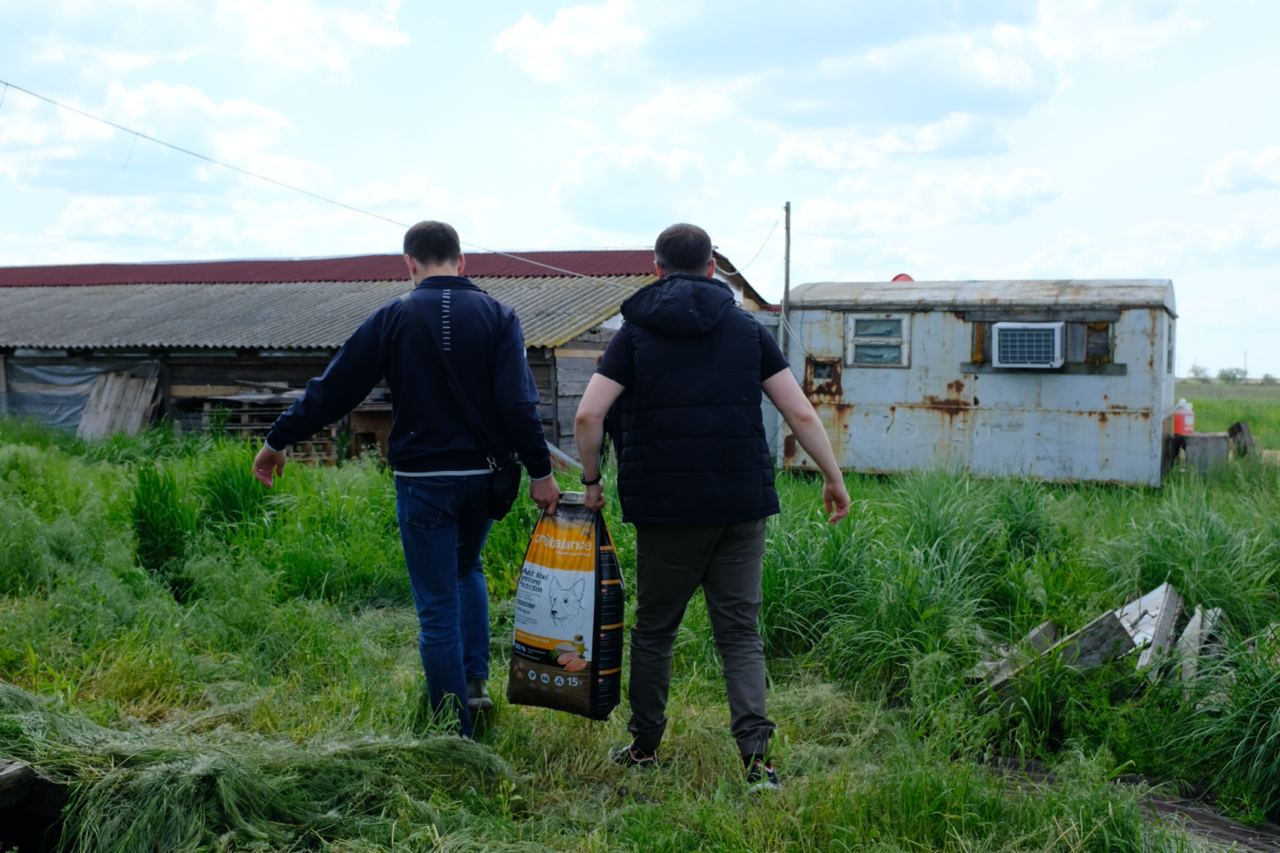
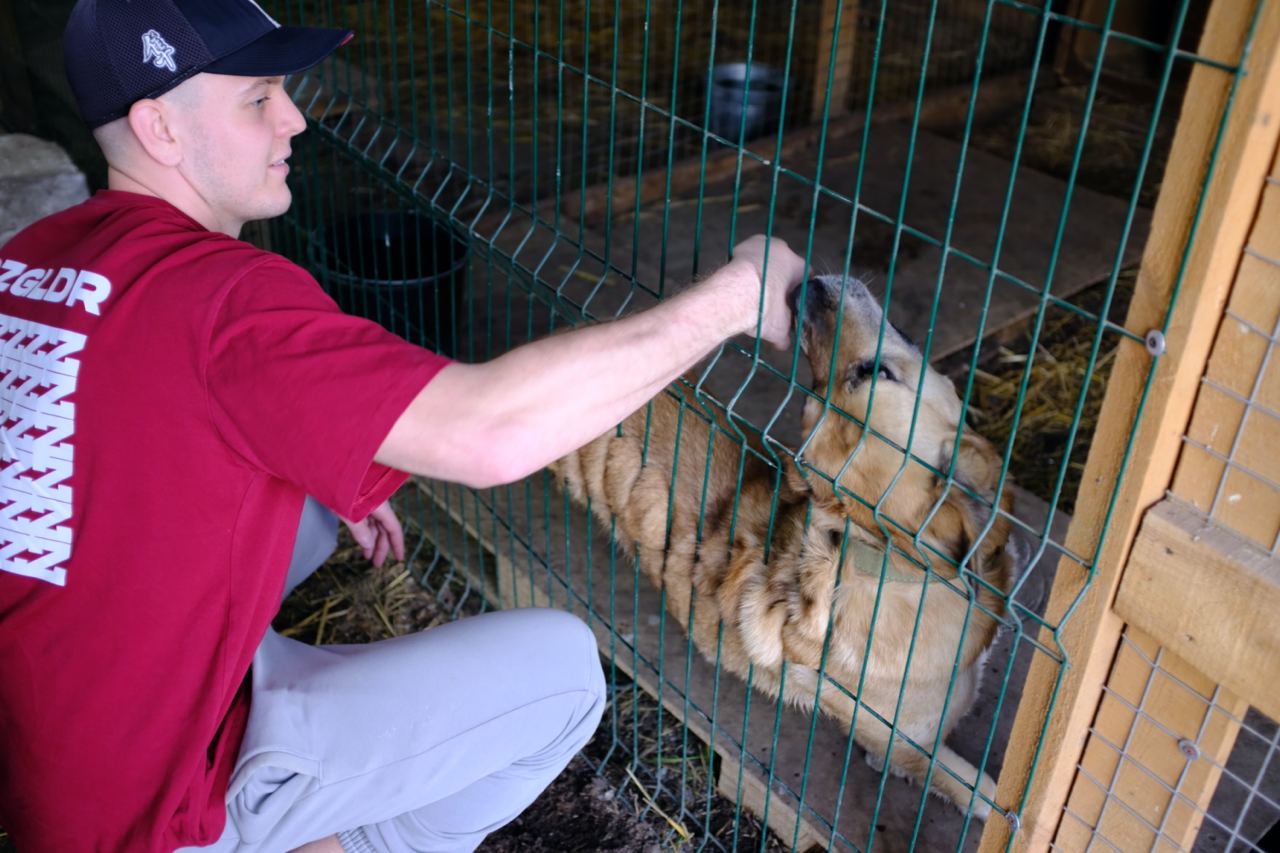
Life changed, and at some point it became physically hard to spend nights on searches and then go to work during the day. But having realized the full power and depth of yoga, I understood that telling people about this tool is a very good form of service. Over time, besides helping to organize group meditations, other forms of service began to appear in our Urokimeditatsii community: feeding people in need, organizing cleanups of public areas, helping animals.
— What motivates you as a team to grow and keep moving forward?
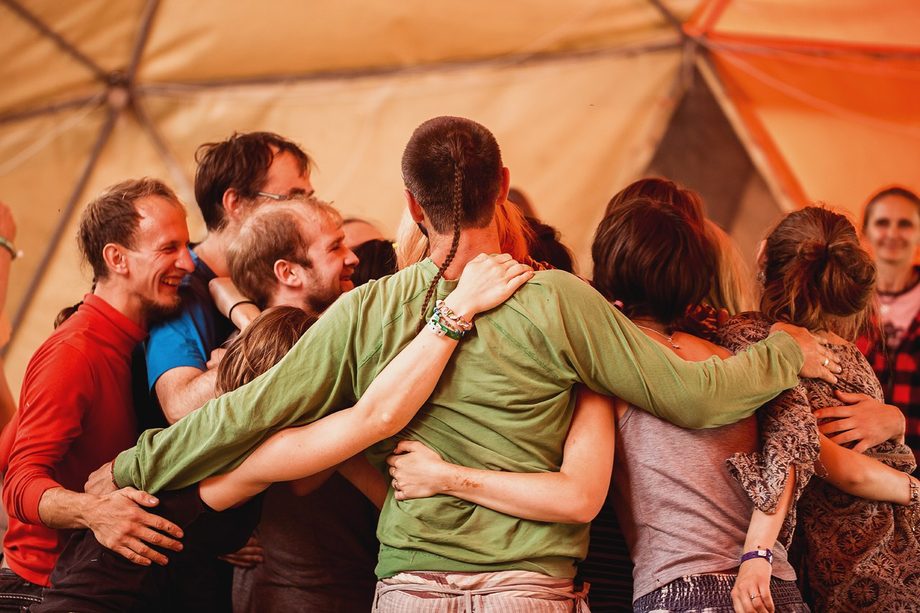
— You see, the community I've been talking about is not just people who get together, meditate, and go home. It is a community of people who can do a lot of good together with like-minded friends. They can do service, practice, work together, and create business projects that also benefit the world.
My old friends, for example, see that we have lots of interesting projects. "Anton, what's going on with you guys?" they ask. "Well, we organized a retreat, here we have a trip together, here there's a food distribution, and over here we've even started our own IT startup, five people work there." People look at this and say, "Listen, I want that too, I want to join you." So the more members our community has, the more people want to join.
— Perhaps you'd like to leave a parting word for our readers?
— Yes, of course! Do your spiritual practice regularly and do selfless service. If these two things are in every person's life, it will certainly change the world for the better.
Interview by Roman Kozhaev