
Shrii Shrii Ánandamúrti's Contributions
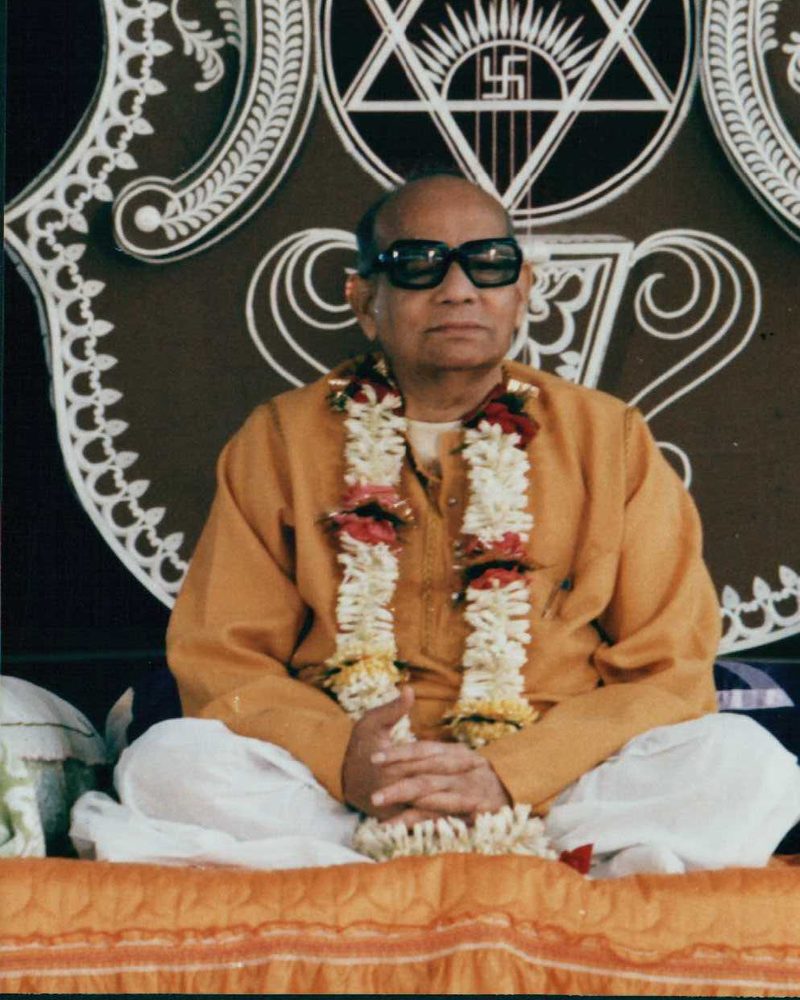
It is action that makes the person great. Be great by your sádhaná, by your service, and by your sacrifice.
He gave a complete spiritual path and, beside it, a complete social philosophy, and a worldwide service work that grew from both. He also wrote on language, history, science and medicine, and composed 5,018 songs.
- 1955Ananda Marga and its first book of philosophy
- 1959PROUT, the Progressive Utilization Theory
- 1962Ánanda Sútram: the philosophy in 85 aphorisms
- 1963ERAWS: schools, relief and welfare
- 1970Kiirtan: Bábá Nám Kevalam
- 1978Kaośikii, a dance for health
- 1982Neohumanism, and the first of 5,018 songs
- 1986Microvita
- 1989Master units
130+
countries where people follow his teachings
100+
books, on subjects from yoga and cosmology to farming and music
5,018
songs, Prabhat Samgiita, composed in the last eight years of his life
1M+
people taught meditation, directly and indirectly
One path, two directions
Shrii Shrii Ánandamúrti never split life into a spiritual part and a worldly part. He called his method a subjective approach through objective adjustment: the inner journey towards the Supreme, and in the same life a just and caring order in the world. That is why his work falls into two halves that belong together.
So a spiritual aspirant must always remember the subjective approach through objective adjustment. There is no alternative.
The inner path
Spiritual philosophy
How a person comes to know the Supreme, and the practices that take them there.
- 01
A complete spiritual philosophy
How the universe comes out of Consciousness and returns to it, and where a human life fits in that cycle. He named the outward movement of creation saiṋcara, and the counter-movement pratisaiṋcara, in which the unit mind grows ever wider as it reflects more of Cosmic Consciousness.
Read: Ananda Marga: Elementary Philosophy (1955) · Idea and Ideology (1959) · Ánanda Sútram (1962)
- 02
Meditation as a birthright
A step-by-step system of Tantra yoga meditation, taught personally and free of charge to anyone, whatever their caste, creed or nationality.
Read: Ananda Marga Caryácarya · Discourses on Tantra
- 03
Tantra as liberation
He took Tantra back to its root meaning: the word, he said, means “liberation from bondage.” Tantra sádhaná is the process of turning the latent divinity in every person into the Supreme Divinity, by one’s own practice.
Read: Discourses on Tantra Volume Two, “Tantra and Its Effect on Society”
- 04
Kiirtan
Bábá Nám Kevalam, “only the name of the Supreme Consciousness”, sung and danced together. Shrii Shrii Ánandamúrti gave it in 1970, to open the heart and lift the mind before meditation.
Read: Ánanda Vacanámrtam Part 6
- 05
Yoga psychology
How the glands, the cakras and the propensities of the mind act on one another, and how practice can bring them into balance. “The human mind, broadly speaking, has fifty propensities.”
Read: Yoga Psychology · Ánanda Vacanámrtam Part 3, “The Tantric Definition of Yoga” (1978)
- 06
Ethics as the base
The ten principles of Yama and Niyama, explained as a rational way to live with others, not as commandments. “Morality is the foundation of Sádhaná,” he wrote, though not its goal.
Read: A Guide to Human Conduct
- 07
Devotion with reason
Discourses on Shiva and Krśńa that separate the historical person from the legend, and show devotion as the heart of the path.
Read: Namah Shiváya Shántáya · Namámi Krśńasundaram
- 08
Dances for body and mind
He restored Táńd́ava, first given by Shiva, and on 6 September 1978 introduced Kaośikii, which he called a medicine for twenty-two diseases.
Read: Ánanda Vacanámrtam Part 15
The world we share
Social philosophy
How a society can meet everyone’s needs, protect the weak and leave room for every person to grow.
- 01
PROUT
The Progressive Utilization Theory: the resources of the world are the common inheritance of all. The necessities of life are guaranteed to everyone: food, clothing, housing, medicine and education. No one may hoard wealth against the interest of society. PROUT, he said, “demands economic democracy, not political democracy.”
Read: Discourses on Prout (1959) · Ánanda Sútram · Ánanda Vacanámrtam Part 7, “An Ideal Life” (1979) · “Economic Democracy” (1986)
- 02
Neohumanism
Humanism extended to everything, animate and inanimate: people, animals, plants and the earth itself. It frees the intellect from narrow loyalties to a nation, a race or a creed.
Read: The Liberation of Intellect: Neohumanism (1982)
- 03
The social cycle and sadvipras
History moves through ages led in turn by workers, warriors, intellectuals and merchants. Sadvipras, people of spiritual practice and moral courage, stand at the center of the cycle and stop any class from exploiting the rest.
Read: Human Society Part 2 · Ánanda Sútram
- 04
A social code without caste or dogma
Simple ceremonies for birth, marriage and death, open to all. No caste, and no dowry: neither family may demand one.
Read: Ananda Marga Caryácarya Part 1 (1956)
- 05
Equal dignity for women
Women and men are equal in status. He asked for free education for all women in every country, and for their economic and social security. He trained women as teachers and nuns, and wrote against dowry and every custom that keeps women dependent. In Ananda Marga women teach and lead as men do. His call: “Let women be the vanguard of a new revolution which humanity must achieve for a glorious tomorrow.”
Read: The Awakening of Women · A Few Problems Solved Part 9, “Women’s Rights” (1981)
- 06
Neohumanist education
Education that develops body, mind and spirit together, with morality at its center and love for all beings. Teachers chosen for character, not only certificates; schools run by educators, free of political interference, and free of charge at every level. “Education is that which liberates.”
Read: Discourses on Neohumanist Education, “Talks on Education” (1981)
- 07
Master units
PROUT in practice: model communities on at least five acres, each with a farm, a school, a medical unit and cottage industries, and self-sufficient in every respect. He called them Cakranemii, the nucleus of the wheel, and Ánanda Nagar was the first.
Read: Prout in a Nutshell Part 19 (Master Units, 1989) · Ideal Farming
Service in action
Shrii Shrii Ánandamúrti's social philosophy did not stay on paper. In 1963 he set up the Education, Relief and Welfare Section, ERAWS. It runs schools, orphanages, medical units, retirement homes, free kitchens, drug rehabilitation centers and homes for shelterless women around the world. Its relief arm, AMURT, the Ananda Marga Universal Relief Team, has brought help after fire, flood, typhoon, earthquake and war, and has received citations from the United Nations, the Red Cross and many governments.
Ananda Marga itself grew branches in education, relief, welfare, the arts, ecology, intellectual renaissance, women’s emancipation and humanistic economy.
If a person is doing sádhaná just for self-realization, no matter that the world is going to hell, will we not call such a person utterly selfish?



Branches of the movement
Ananda Marga has grown departments and wings in the fields he spoke on, each run by its own volunteers. Nine of them:
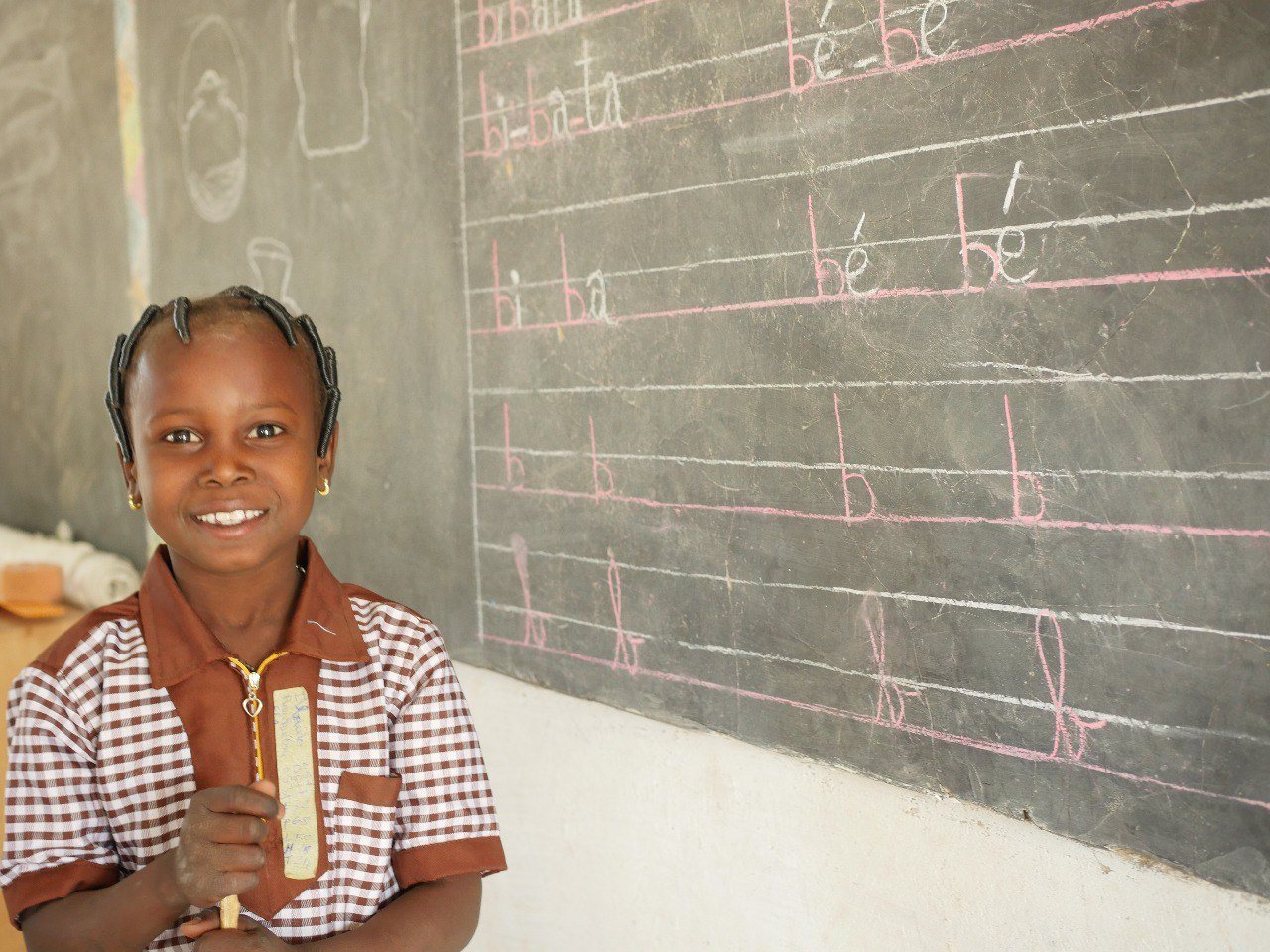
Schools and Gurukula
Neohumanist schools from kindergarten to adult literacy classes, with a free or nearly free school for poorer families beside every center. Gurukula, founded in 1990, gives them a syllabus and trains their teachers.
gurukul.edu
Homes and care
Homes for children who have no one, for students who cannot pay, for the old and the disabled; Academies of Light for blind and deaf children; low-cost kitchens.
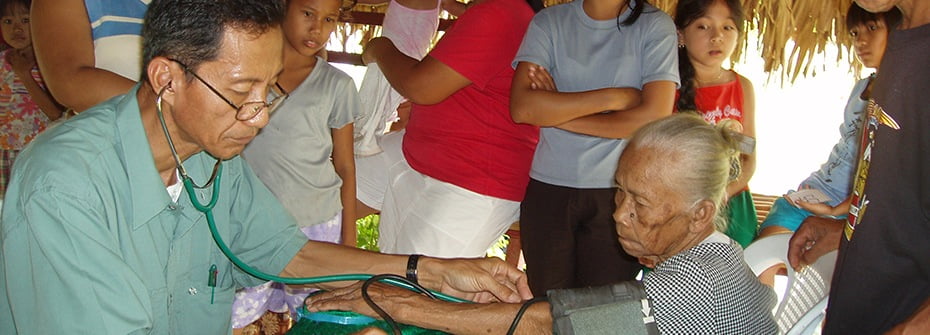
Medical
A dispensary beside every school, health centers in villages without one, clean water and sanitation, medical camps, and natural and yogic treatment.
abhalight.org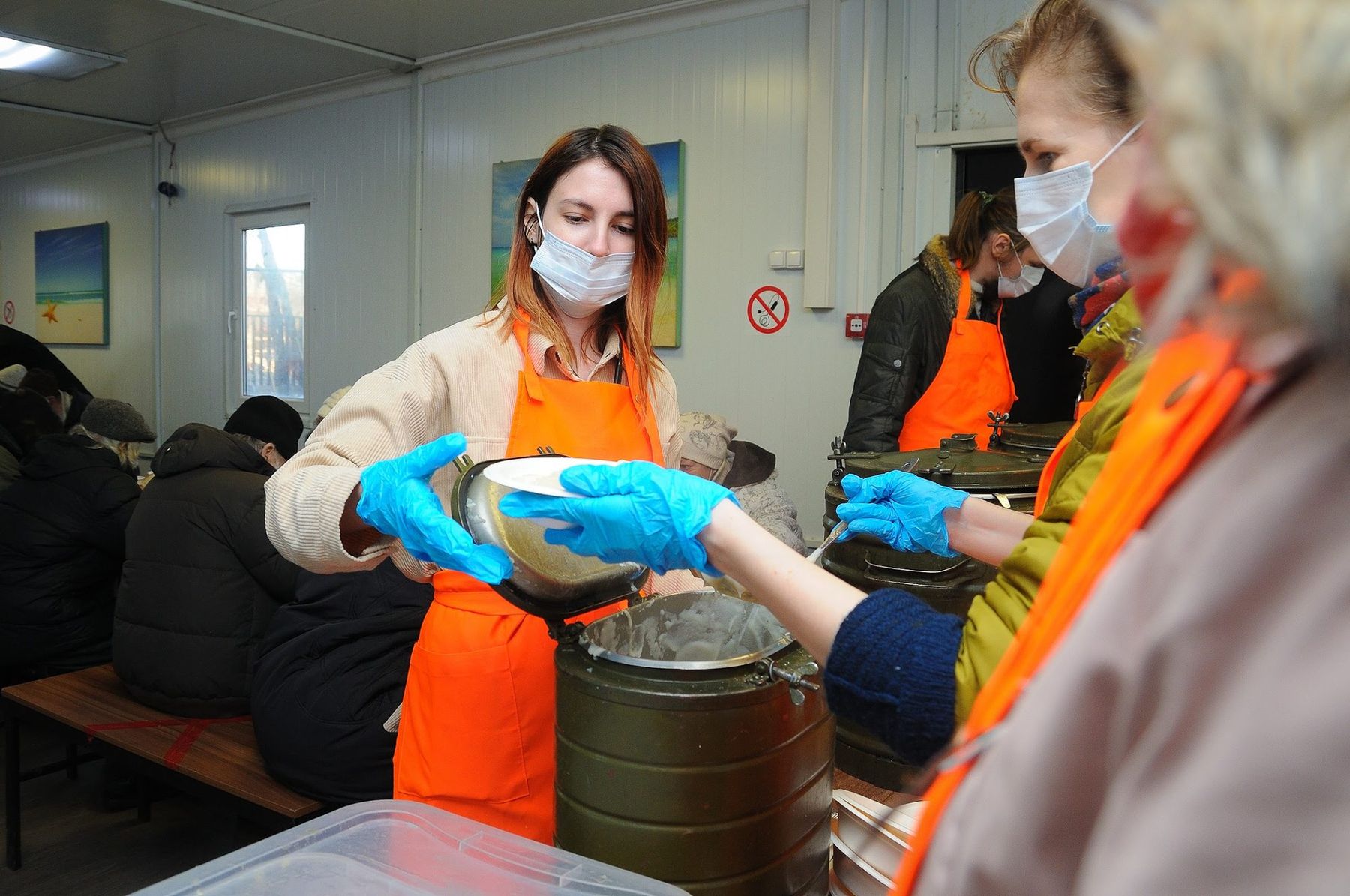
Food and Seva Dal
Grain, clothes and medicine collected and given out; canteens for those in need. Seva Dal, twenty-eight volunteer corps, reaches the poorest households directly.
food4all.us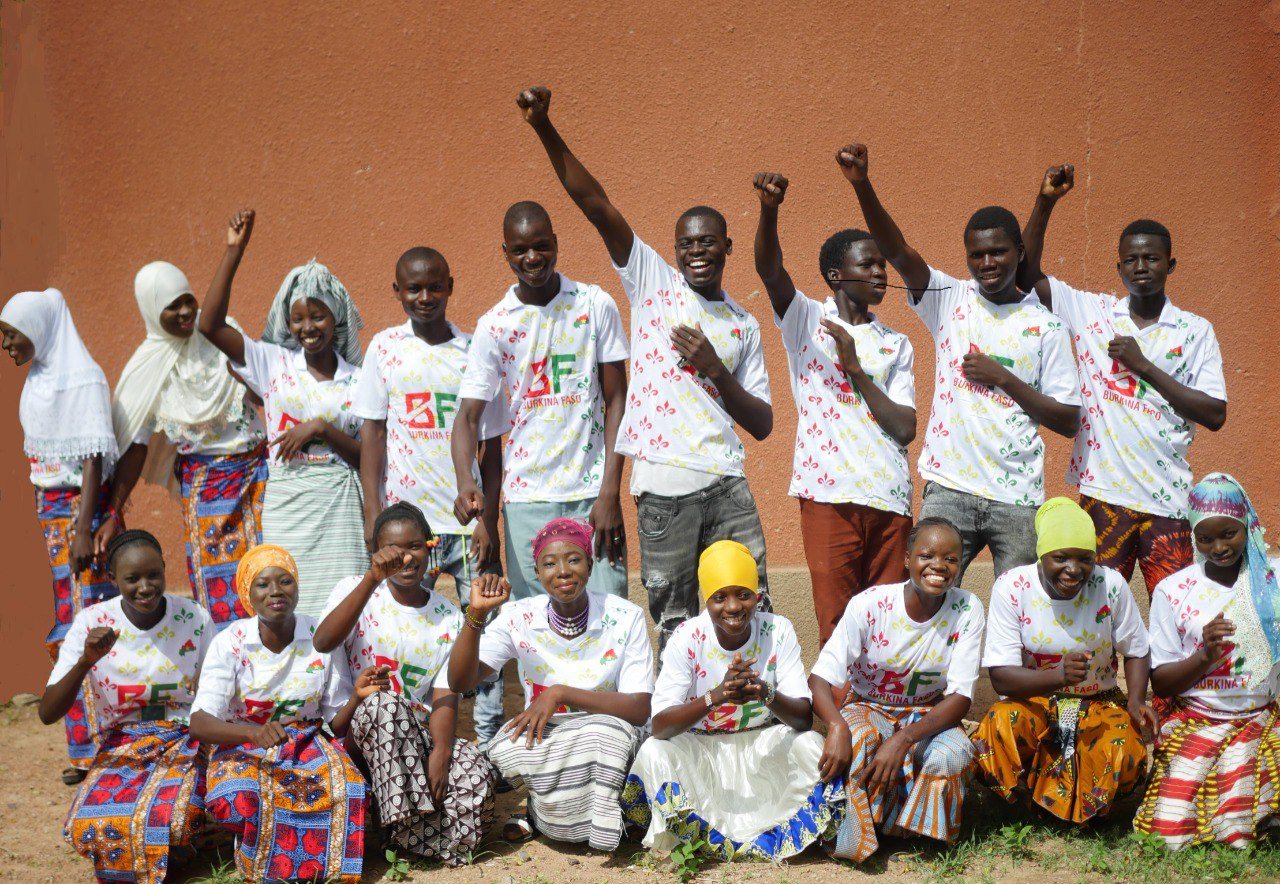
Women’s Welfare
A department run by women since 1965: schools, maternity homes, hostels, literacy and skill training, and AMURTEL, relief and development run by women.
amurtel.org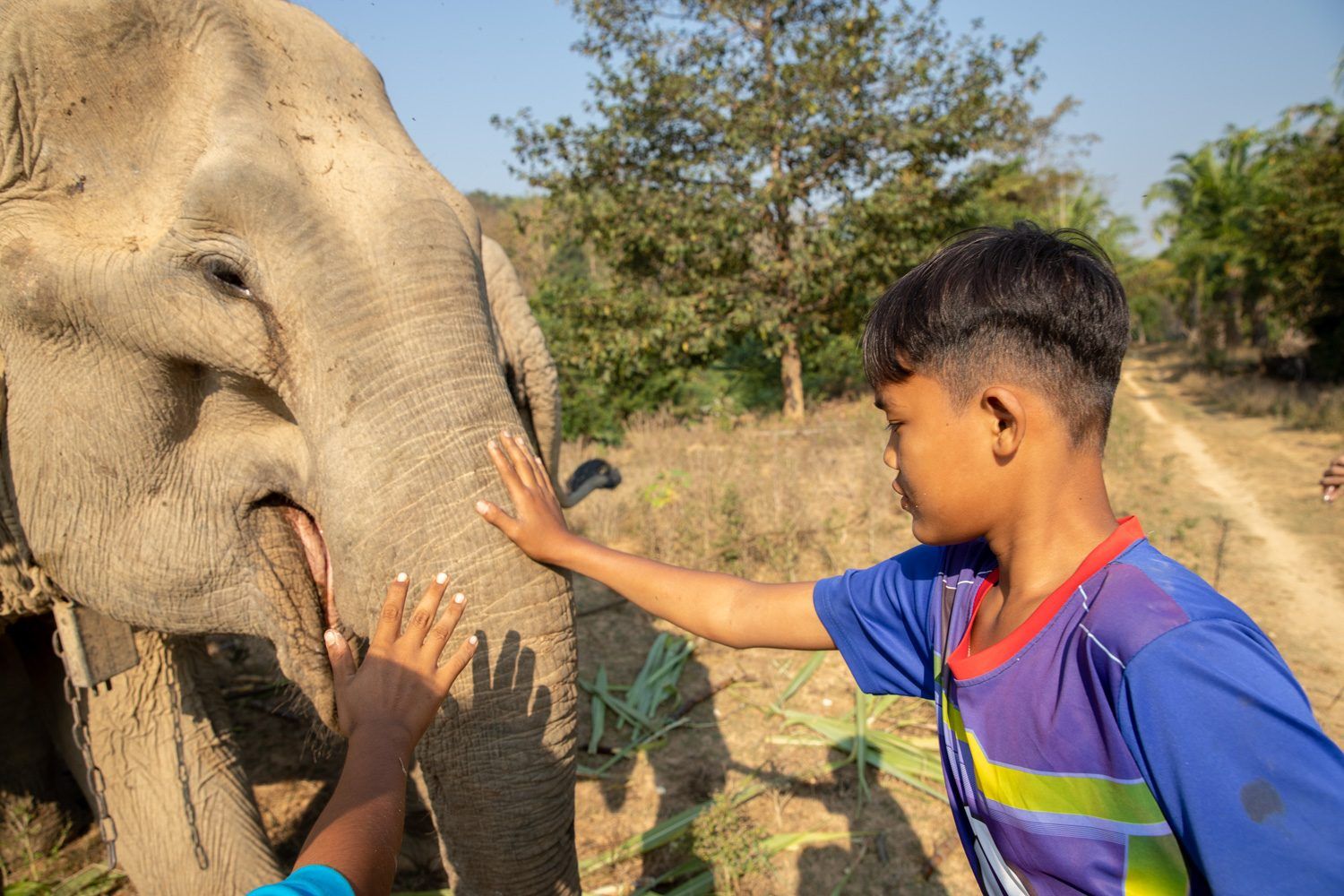
Animals and plants
Prevention of cruelty to animals and plants: sanctuaries for endangered species, tree planting, clinics for animals and plants, and cheap books in many languages.
ecologyofjoy.info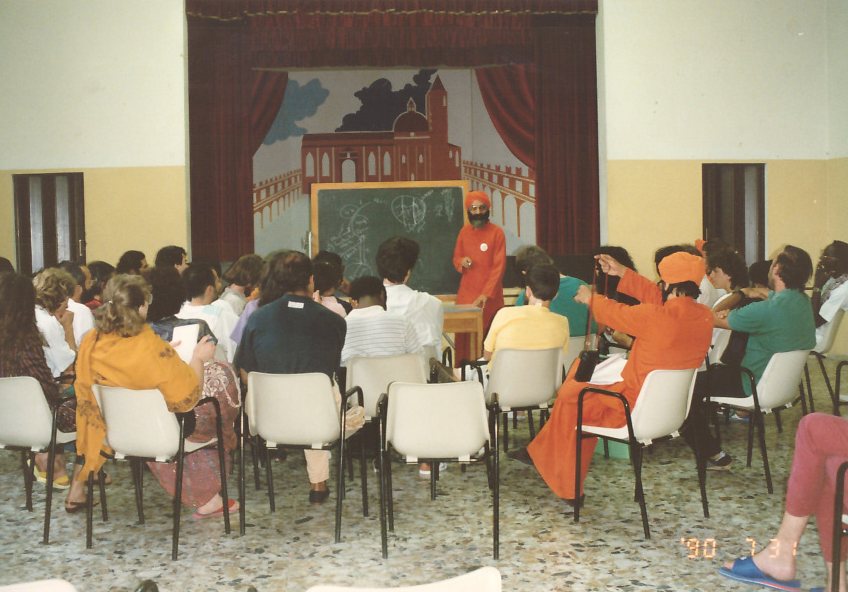
Renaissance Universal
A forum for professionals, scientists and students to work on the problems of their time: symposia, debates, research and essay competitions.
ru.org
Artists and writers
RAWA: artists and writers who use their gifts for service and blessedness, with concerts, exhibitions, theater and poetry, and who spread Prabhát Saḿgiita.
rawa.net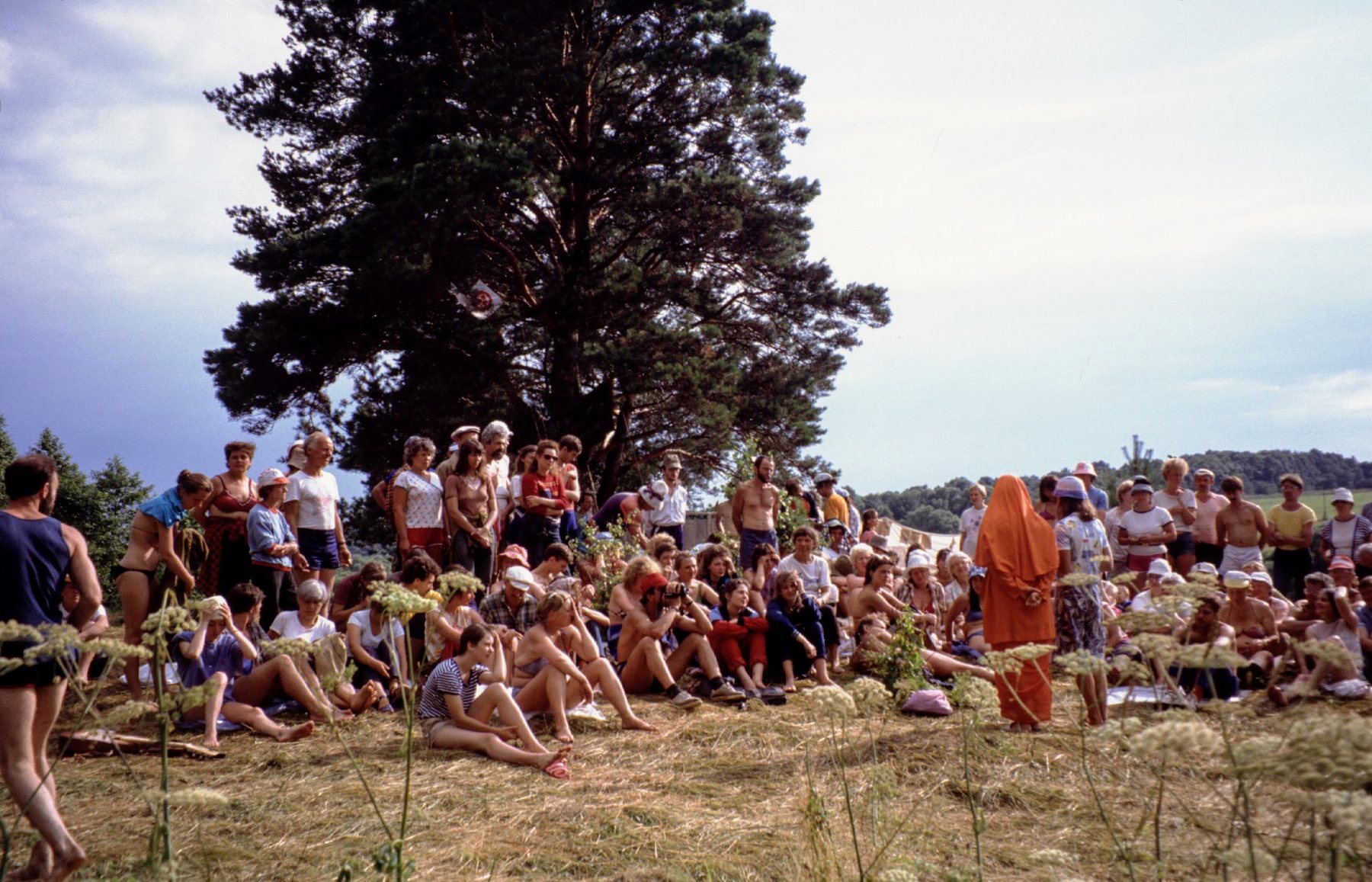
One Human Society
Ek Manava Samaj: one humanity across faiths, languages and borders, with meetings of people of different faiths and work against racism.
Knowledge and culture
Beyond the two halves he worked as a scientist, a linguist, an ecologist, a historian and an artist.
Human culture is one, though there are some local variations in its expression.
His books
books between 1955 and 1990, translated into all the world’s major languages, most of them his discourses, first published in Bengali, Hindi or English. He gave several thousand discourses in all.
Go to the BookstoreSongs of the new dawn
Prabhat Samgiita: 5,018 songs he wrote and set to music between 14 September 1982 and 20 October 1990, in eight languages: most in Bengali, the rest in Sanskrit, Hindi, English, Maithili, Magahi, Urdu and Angika. Most are songs of love for the Supreme; others are about the seasons, festivals and society. Three of them:

Hear all 5,018: Prabhat Samgiita
Every song with its lyrics and their meaning, to listen to, save and play offline, and an AI companion to ask about the songs.
For iPhone, iPad and Android.
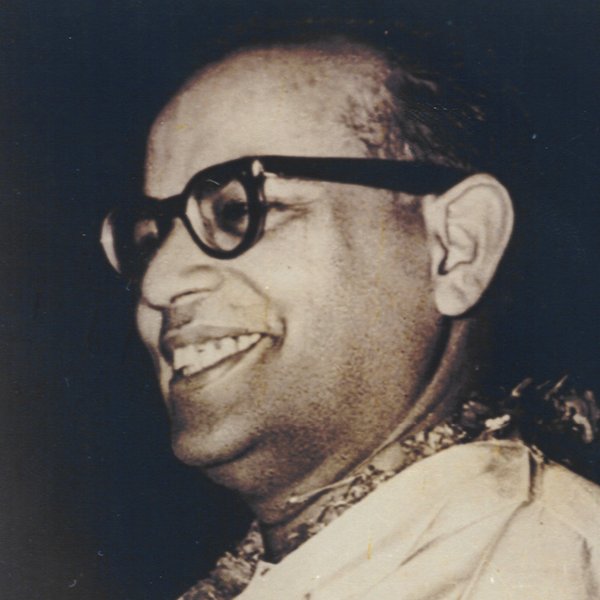
The fact that the fortune of every individual, not only of this earth, but of the entire cosmos, has been wreathed together, will have to be admitted one day by humanity.