Ananda Marga

Personal practices · On your own

Ásanas

Ásana

“‘Ásana’ means ‘a position in which one feels comfortable’ – ‘Sthirasukhamásanam.’”Caryácarya 3

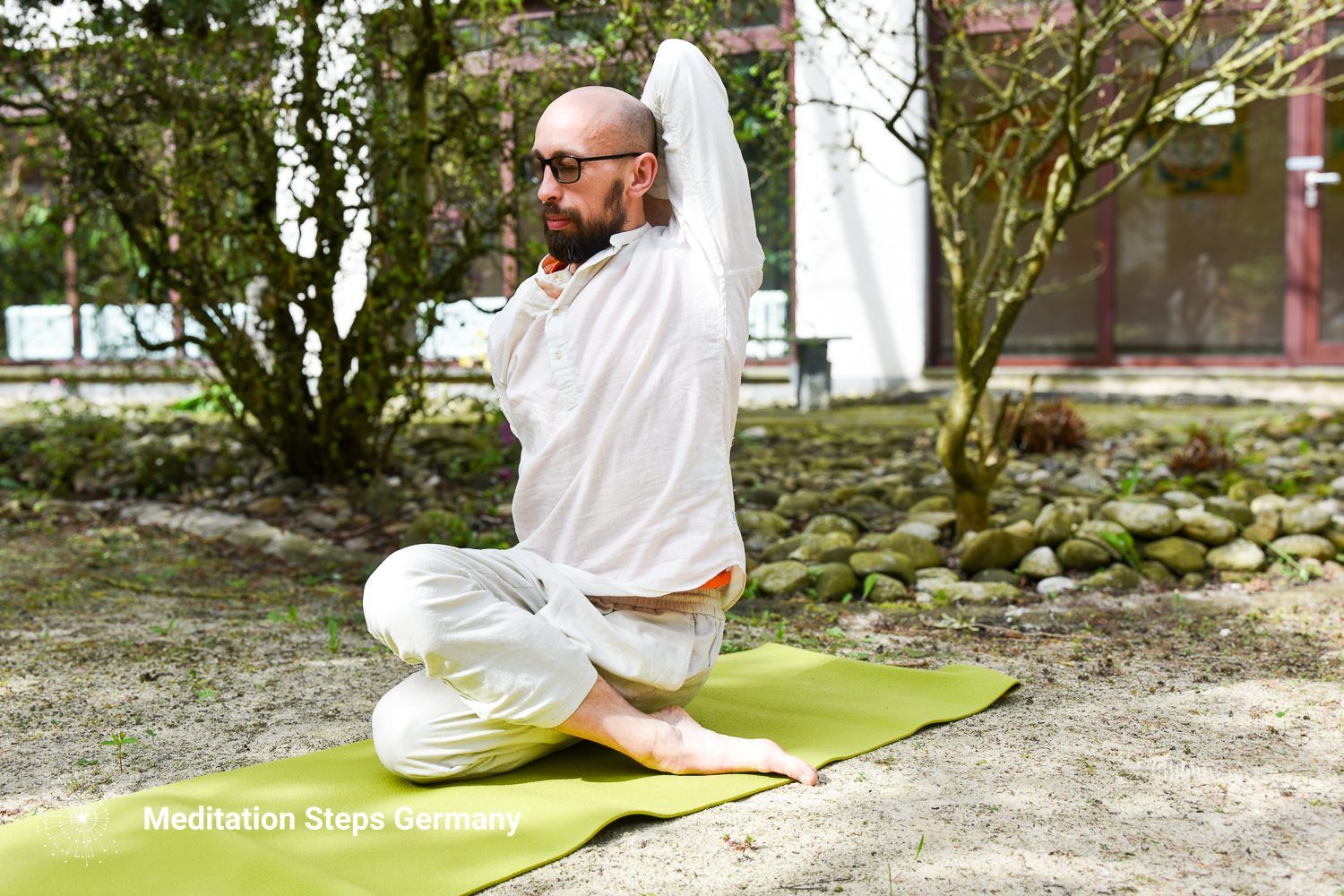
A man in loose white clothes practicing gomukhásana, the cow-face posture, on a green mat outdoors, hands clasped behind his back

Why we do it

The aim of yoga is Supreme Consciousness

  1. 1

    The aim is Supreme Consciousness. The goal of yoga is far off, like a distant star system.

  2. 2

    The instrument to reach that goal is the mind. It is the subtlest part of us, so it is the only part fine enough to reach the aim.

  3. 3

    The method is meditation. Seeing a star takes a telescope pointed at it; reaching Supreme Consciousness takes the mind pointed at it. That is meditation.

  4. 4

    The preparation and care. A telescope has to be looked after, cleaned and set right to see the stars. The mind is the same. Every practice does this for the mind, directly or through the body, because the mind is connected with the body.

    See how it leads to the goal ↓

Reaching the goal through Ásanas

Ásanas bring us to the goal through the body. Body and mind are closely tied: the glands decide which propensities of the mind are strong, and propensities out of balance pull the mind outward, so that it cannot meditate. Ásanas press and release the glands and bring their secretions into balance. Then the mind is free to turn inward, and in meditation it becomes one with the Supreme. That is the goal of yoga.

  1. 01

    Thoughts and feelings follow the hormones

    All our thoughts and emotions are tied to the hormonal system. When the body makes a certain hormone, a certain emotion appears in us. The state of the mind is controlled by the hormonal system.

    “Mental expression is brought about through the vrttis, and the predominance of the vrttis depends on different glands of the body.”
    Caryácarya 3, “Ásanas”
  2. 02

    Each gland has its own feelings

    If we make too much adrenaline, anger appears. Too much of the stress hormone, cortisol, and we feel stress. The sex hormones bring desire. The more a gland gives, the stronger its propensities.

    “Increased glandular secretions generally make the propensities more active and vice versa.”
    Yoga Psychology, “Glands and Sub-Glands”
  3. 03

    Too much, too little

    In some people a hormone is released too much, in others too little. Both have problems with it, each in his own way: the body and the mind are out of balance.

    “In fact, if the secretion is not right, if it is excessive or scanty, there may be an adverse reaction in the human body and mind.”
    Ánanda Vacanámrtam 20, “Prańipátena Pariprashnena Sevayá – 2”
  4. 04

    Ásanas bring the system into order

    To balance this system and bring the mind into order, we need physical exercises: ásanas. They work not only on the physical but also on the psychic.

    “Ásanas control the glands, the glands control the secretion of hormones, and the secretion of hormones controls the propensities. So ásanas help a sádhaka [spiritual aspirant] to balance the body and concentrate the mind.”
    Yoga Psychology, “Questions and Answers on Meditation”
  5. 05

    How an ásana works

    In ásanas we squeeze, release and stretch the glands. Because of this they come into balance and begin to make exactly the amount of hormone we need.

    “All ásanas have either a pressurizing or depressurizing effect on the glands and sub-glands. For example, mayúrásana [peacock posture] has a pressurizing effect on the mańipura cakra. The secretions of the glands and sub-glands of the mańipura cakra and the propensities associated with them will become more balanced if this ásana is practised regularly.”
    Yoga Psychology, “Glands and Sub-Glands”
  6. 06

    Free from what stops meditation

    When this happens, we become free from the tendencies of the mind that do not let us meditate.

    “If a person wants to control the excitement of these propensities, he or she must rectify the defects of the glands. Ásanas help the sádhaka to a large extent in this task, so ásanas are an important part of sádhaná.”
    Caryácarya 3, “Ásanas”
  7. 07

    The mind is free to turn inward

    With the glands in balance, the body can sit steady and comfortable, and the mind, no longer pulled outward, can be turned to the Supreme in meditation.

    “Ásanas are postures in which one can remain in physical comfort and psychic composure. The practice of ásanas cures the bodyʼs glandular system of all its maladies and helps the mind to attain balance for spiritual practices.”
    Caryácarya 1, “Sádhaná”
  8. 08

    One with Him

    In meditation the mind ideates on the Supreme, and as it thinks, so it becomes: it grows, and in the end becomes one with Him. This is the goal.

    “Thus when a mind constantly ideates on the Supreme Entity, it gradually expands and eventually becomes one with the Cosmic Mind and it automatically becomes composed.”
    Subháśita Saḿgraha 9, “Cognitive Faculty and the Supreme Desideratum”

What it is

Ásana means a position in which one feels comfortable. Ásanas are a kind of exercise: with regular practice the body stays healthy and hardy, and many diseases are cured. They are not prescribed as a general cure, though. Their place is to remove the troubles of the body that stand in the way of meditation, so that sádhaná may be done more easily.

There are more than 50,000 ásanas. Many resemble animals in their form and carry the names of those animals.

In the sources

“‘Ásana’ means ‘a position in which one feels comfortable’ – ‘Sthirasukhamásanam.’ Ásanas are a kind of exercise by regular practice of which the body stays healthy and hardy and many diseases are cured. But ásanas are not prescribed for the general cure of diseases; only those diseases which create trouble in the path of meditation may be cured by the help of specific ásanas, so that sádhaná may more easily be done.”

“A list of ásanas is given below. The same ásanas are not necessary for everyone. There are more than 50,000 ásanas; among them a few are named here which are most necessary for the path of meditation. The ácárya will teach particular ásanas to a person according to his or her need.”

“There are many ásanas whose forms are similar to those of different animals, and therefore they are called by the names of those animals. And there are many characteristics found in animals and birds which are not commonly found in human beings: the physical structures of those animals and birds are such as to further certain glandular secretions, and as a result certain special qualities are developed.”

“The tortoise can easily retract its extremities. If human beings can also sit in that way for some time, they can withdraw their minds from the external world. The name of that posture is kúrmakásana (tortoise posture).”

Shrii Shrii Ánandamúrti, Caryácarya Part 3, “Ásanas” (1956)

When to do them

Twice a day, with the daily meditation: in the morning, before breakfast, and in the evening.

Rules for ásanas

Shrii Shrii Ánandamúrti set down these twenty-one rules for practicing ásanas in Caryácarya Part 3. They cover how to prepare, where and when to practice, what to wear and eat, and what to do afterward. The same ásanas are not needed by everyone: an ácárya teaches each person the ones suited to them.

  1. 1

    Before practising ásanas, do vyápaka shaoca or take a full bath. Vyápaka shaoca must also be done before daily meditation; if ásanas are done with daily meditation then it is not necessary to do vyápaka shaoca separately.

  2. 2

    Do not practise ásanas in an open place, because it may result in sudden exposure and thereby you may catch cold. While practising ásanas indoors, attention should be paid to keep the windows open so that air can pass through.

  3. 3

    No smoke should be allowed to enter the room. The less smoke the better.

  4. 4

    Males must wear a Kaopiina (laungot́á), and there should be no other clothing on the body. Females must wear tight-fitting underwear and a bra.

  5. 5

    Practise ásanas on a blanket or a mat. Do not do ásanas on the bare ground, because you may catch cold, and some secretions which come from the body while practising ásanas may be destroyed.

  6. 6

    Practise ásanas only while breath is flowing through the left nostril or both nostrils; do not practise ásanas when the breath flows only through the right nostril.

  7. 7

    Take sáttvika food. But a person for whom it is difficult to give up rájasika food can for the time being take a small piece of myrobalan (it is better to use the small type of myrobalan), or something of a similar nature, after meals. However, this procedure does not apply in cold countries.

  8. 8

    Do not cut the hair of the joints of the body.

  9. 9

    The nails of the fingers and toes must be kept cut short.

  10. 10

    Do not practise ásanas on a full belly. It is prohibited to perform ásanas for two-and-a-half to three hours after a meal.

  11. 11

    After practising ásanas, you should massage your arms, legs and entire body, especially the joints, very well.

  12. 12

    After the massage is finished, remain in shavásana (corpse posture) for at least two minutes.

  13. 13

    After shavásana do not come in direct contact with water for at least ten minutes.

  14. 14

    A practitioner of ásanas should not massage his or her body with oil. If you like you may rub oil lightly over the body.

  15. 15

    After practising ásanas, it is desirable to walk in a solitary place for some time.

  16. 16

    Just after ásanas práńáyáma is prohibited.

  17. 17

    If it is necessary to go outdoors after practising ásanas and if at that time the body temperature has not come down to a normal level, or if there is any difference between the room temperature and the outside temperature, you must cover your body when going out. If possible, inhale a deep breath inside the room and exhale it after coming outside. In that way there will be no chance of catching cold.

  18. 18

    It is not prohibited for the practitioner of ásanas to practise free-hand exercise, running or sports, but just after ásanas all these are prohibited.

  19. 19

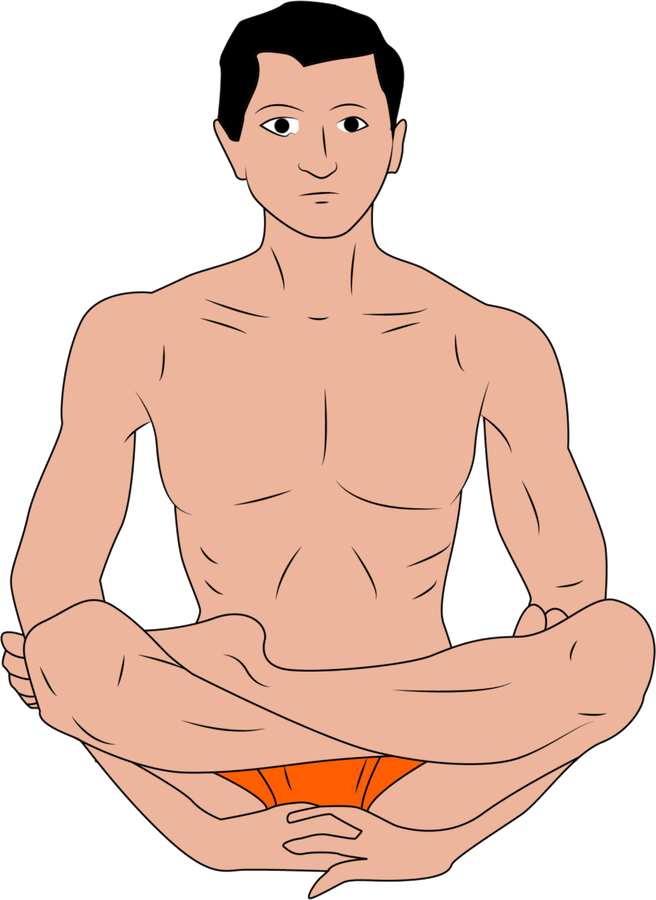
    There is no restriction of nostril for the following ásanas: padmásana (lotus posture), siddhásana (siddha posture), ardhasiddhásana (half siddha posture), bhojanásana (cross-legged sitting posture), viirásana (viira posture), diirgha prańáma (long bowing posture), yogásana (yoga posture) and bhújauṋgásana (snake posture).

  20. 20

    For all those ásanas where there is no restriction of nostrils, there is no restriction on food either.

  21. 21

    During menstruation, pregnancy and within one month of delivery, women must not practise ásanas or any other exercise. The ásanas for dhyána can be done under all conditions – padmásana, siddhásana and viirásana are the proper ásanas for dhyána and dhárańá.

No one should risk harm by practising ásanas and mudrás without the permission of an ácárya.

Shrii Shrii Ánandamúrti, Caryácarya Part 3, “Ásanas”

Make the Most of Your Asana Practice - Follow These Simple Rules. Rajadhiraja YogaOpen on YouTube ↗
Make the Most of Your Asana Practice - Follow These Simple Rules. Rajadhiraja Yoga

Three ásanas to begin with

Three basic ásanas can be practiced even when the breath is flowing through the right nostril, and by those who do not yet keep a vegetarian diet: diirgha prańáma, yogásana (yogamudrá) and bhújauṋgásana.

“There is no restriction of nostril for the following ásanas: padmásana (lotus posture), siddhásana (siddha posture), ardhasiddhásana (half siddha posture), bhojanásana (cross-legged sitting posture), viirásana (viira posture), diirgha prańáma (long bowing posture), yogásana (yoga posture) and bhújauṋgásana (snake posture).” “For all those ásanas where there is no restriction of nostrils, there is no restriction on food either.”Caryácarya 3, “Ásanas”, rules 19 and 20

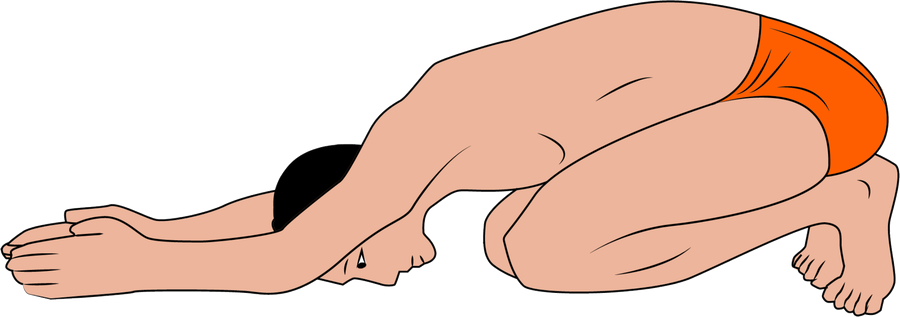
Diirgha prańáma (long bowing posture): “Kneel down, and holding the palms together, extend the arms upward, keeping them close to the ears. Then bend forward in a posture of bowing down, touching the floor with the tip of the nose and the forehead. The buttocks must continue to touch the heels. While bending down breathe out and stay in a state of complete exhalation for eight seconds. Then rise up, breathing in. Practise eight times.”

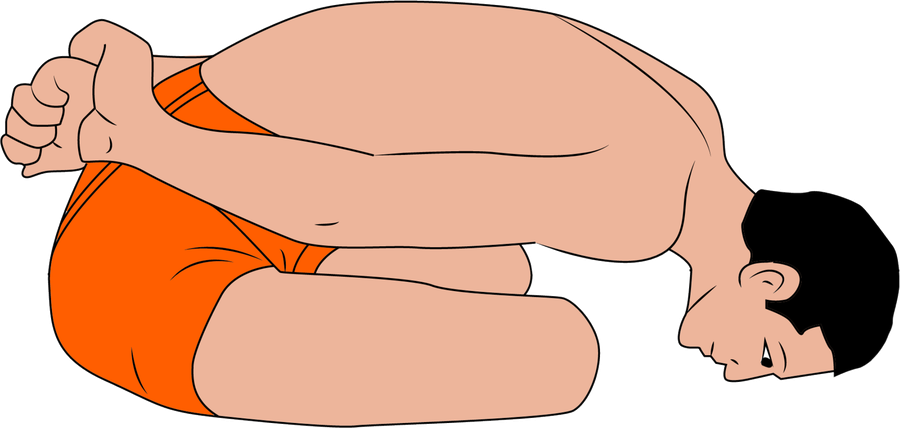
Yogásana or yogamudrá (yoga posture): “Sit in bhojanásana. Pass both hands backward and grip the left wrist with the right hand. Then bring the forehead and the nose into contact with the floor, breathing out during the process. Maintain this state for eight seconds and then rise up, breathing in. Practise eight times.”

Bhújauṋgásana (snake posture): “Lie down on your chest. Supporting the weight on the palms, raise the chest, directing your head backward. Look at the ceiling. Breathe in while rising, and after having risen, hold your breath for eight seconds. Come down to original position while breathing out. Practise eight times.”

The ásanas

The forty-two ásanas of Caryácarya Part 3, in the book’s order and in its words. Not everyone needs every ásana: an ácárya chooses the ones that suit each person.

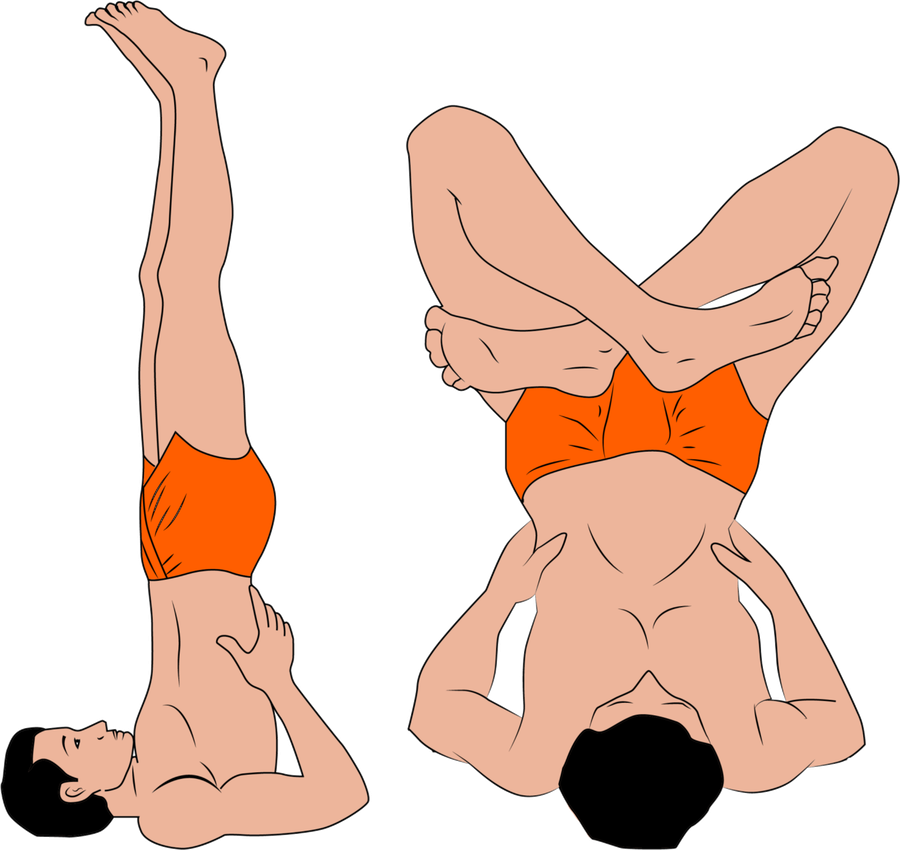
  1. Sarváuṋgásana, All-limbs posture
    01

    Sarváuṋgásana

    All-limbs posture

    Also called: Úrdhvapadmásana (Inverted lotus posture)

    Practise three times, up to five minutes each time.

    How to do it

    (a) Lie down on your back. Gradually raise the entire body and keep it straight, resting its weight on your shoulders. The chin must be in contact with the chest. Support both sides of your trunk with your hands. The toes must remain together; the eyes must be directed at the toes.

    (b) Lie down in padmásana. Gradually raise the body and rest its weight on your shoulders. Support both sides with the hands. This ásana is also known as úrdhvapadmásana (inverted lotus posture).

    Practise three times, up to five minutes each time.

    Caryácarya Part 3, “Ásanas”

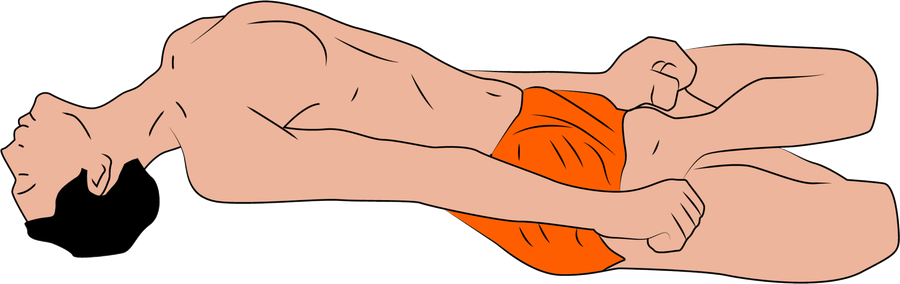
  2. Matsyamudrá, Fish posture
    02

    Matsyamudrá

    Fish posture

    Practise three times. Maximum time for practice is two-and-a-half minutes.

    How to do it

    Lie down in padmásana. Rest the crown of the head on the floor and grasp both the big toes with the hands. Practise three times. Maximum time for practice is two-and-a-half minutes.

    Caryácarya Part 3, “Ásanas”

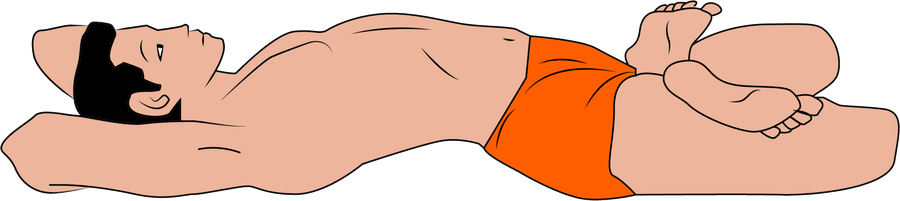
  3. Matsyásana, Fish posture
    03

    Matsyásana

    Fish posture

    Practise three times, each time for half a minute.

    How to do it

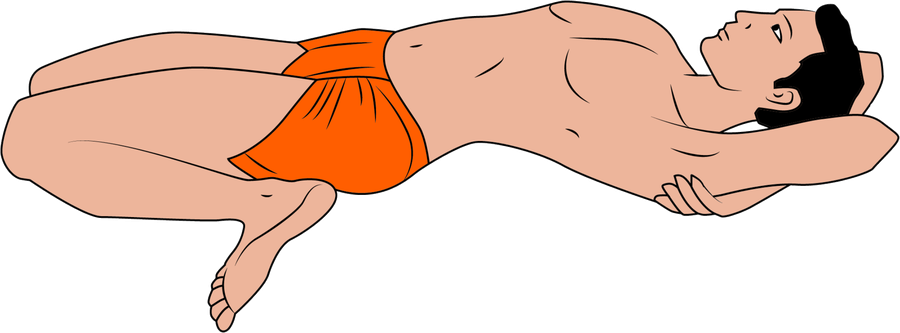
    Lie down in padmásana. Grasp each shoulder with the opposite hand from behind. The head will rest on both the forearms. Practise three times, each time for half a minute.

    Caryácarya Part 3, “Ásanas”

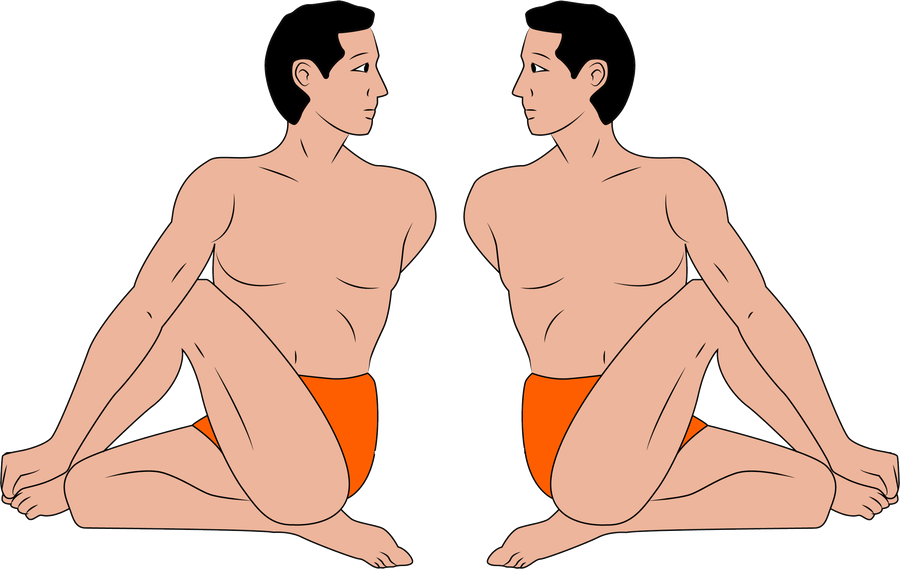
  4. Matsyendrásana, Matsyendra’s posture
    04

    Matsyendrásana

    Matsyendra’s posture

    Practise four rounds, half a minute each time.

    How to do it

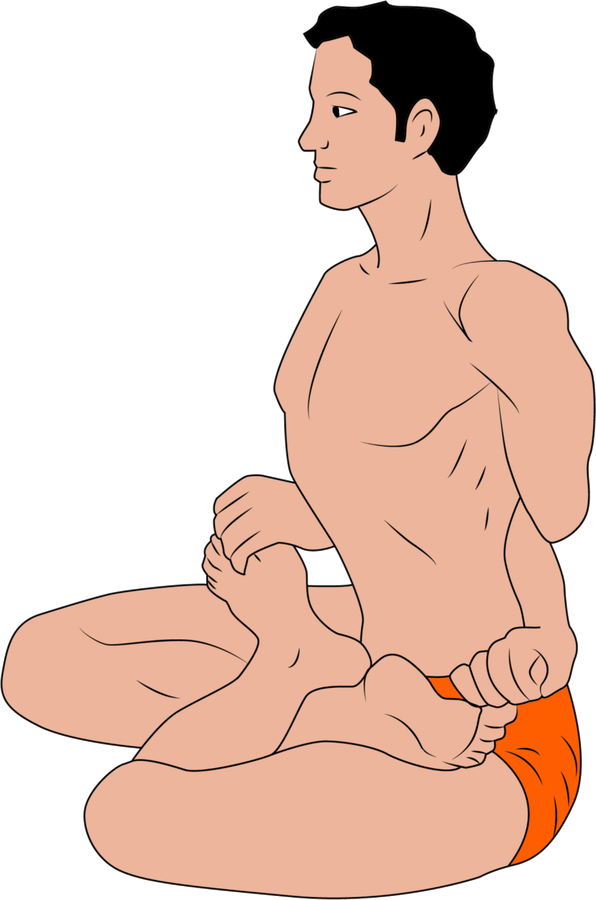
    generally for males

    (i) Press the múládhára cakra with the right heel. Cross the left foot over the right thigh and keep it to the right of the thigh. Grasp the left big toe with the right hand, keeping the right arm along the left side of the left knee. Reach backwards from the left side with the left hand and touch the navel.

    Turn the neck to the left as far as possible.

    (ii) Then press the múládhára with the left heel and reverse the process. One round means completing the process on both sides.

    Practise four rounds, half a minute each time.

    MATSYENDRASANAOpen on YouTube ↗

    Caryácarya Part 3, “Ásanas”

  5. Viirásana, Viira posture
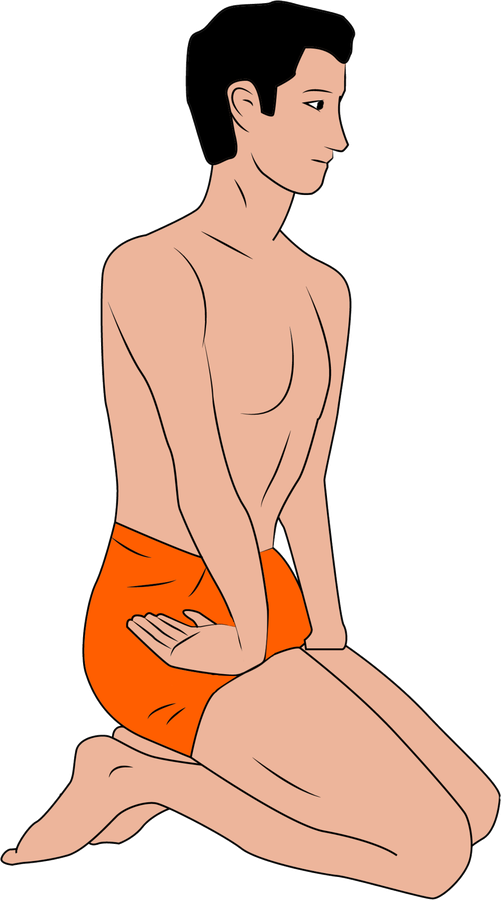
    05

    Viirásana

    Viira posture

    The ácárya will give directions as to the duration of this ásana.

    How to do it

    Kneel down and sit on the heels. Bend the toes downwards. Rest the backs of the hands on the thighs, the fingers pointing towards the groin. Direct the vision at the tip of the nose. The ácárya will give directions as to the duration of this ásana.

    Caryácarya Part 3, “Ásanas”

  6. Cakrásana, Wheel posture
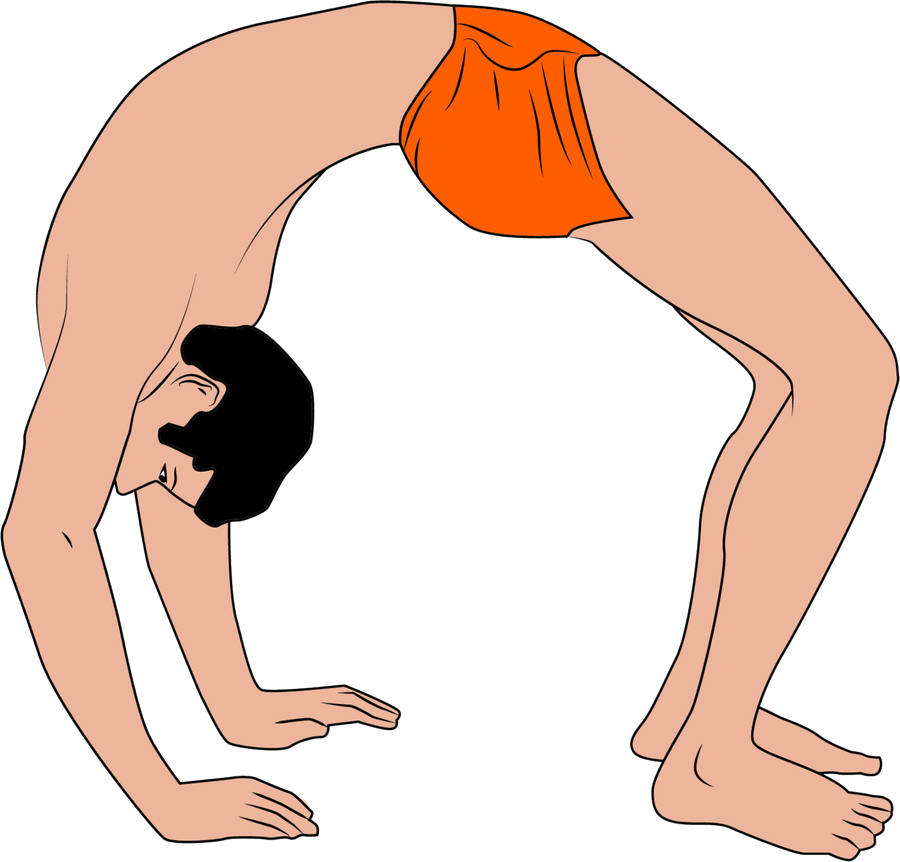
    06

    Cakrásana

    Wheel posture

    Duration – half a minute. Practise four times.

    How to do it

    Lie in a supine position. Flex the legs to bring the lower legs in contact with the thighs. Both the hands will rest close to the shoulders. Supporting the weight on the soles and the palms, raise the head and the trunk. The body will assume the shape of a wheel in this ásana. Duration – half a minute. Practise four times.

    Caryácarya Part 3, “Ásanas”

  7. Naokásana, Boat posture
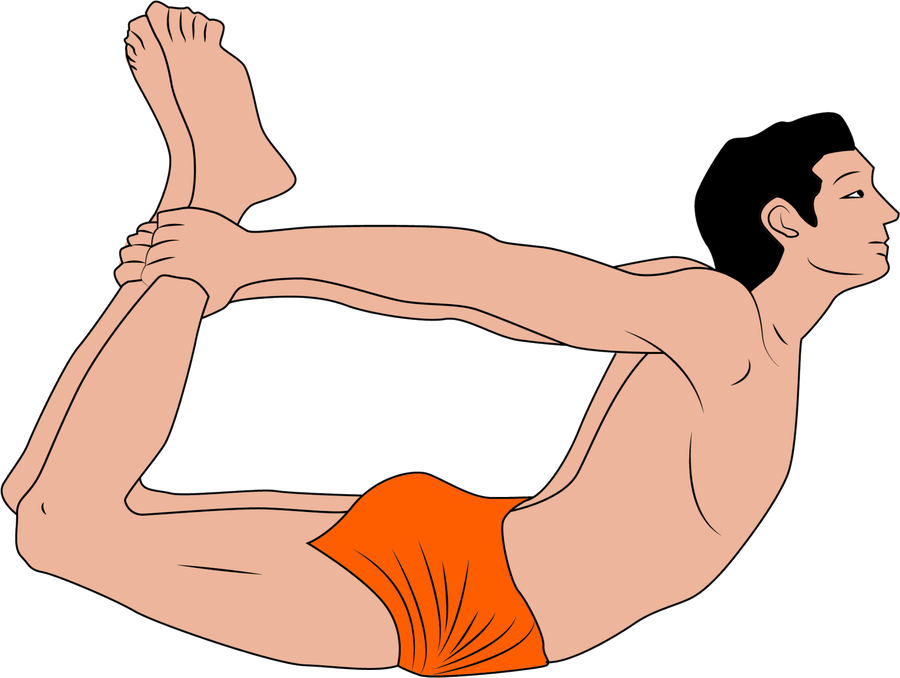
    07

    Naokásana

    Boat posture

    Also called: Dhanurásana (Bow posture)

    Practise the ásana eight times in this manner.

    How to do it

    Lie in a prone position. Flex the legs to bring the lower legs close to the thighs. Directing the hands over the back, grasp the ankles. Raise the entire body, supporting the weight on the navel. Extend the neck and chest as far back as possible. Look towards the front. Breathe in while raising the body and maintain yourself in that state for eight seconds. Resume the original posture while breathing out. Practise the ásana eight times in this manner. The body assumes the shape of a bow during this ásana.

    Naokásana Boat posture or Dhanurásana Bow postureOpen on YouTube ↗

    Caryácarya Part 3, “Ásanas”

  8. Utkat́a pashcimottánásana, Difficult back-upwards posture
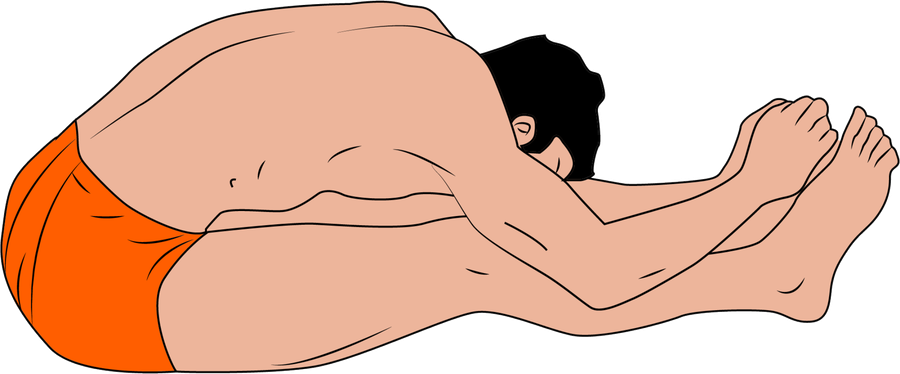
    08

    Utkat́a pashcimottánásana

    Difficult back-upwards posture

    Practise eight times in this way.

    How to do it

    Lie in a supine position and extend the arms backwards, keeping them close to the ears. Rise while exhaling and insert the face between the knees. Make sure that the legs remain straight. Grasp both the big toes with the hands. Remain in this state for eight seconds. Now resume the original posture while inhaling. Practise eight times in this way.

    Utkat́a pashcimottánásana | Back-upwards postureOpen on YouTube ↗

    Caryácarya Part 3, “Ásanas”

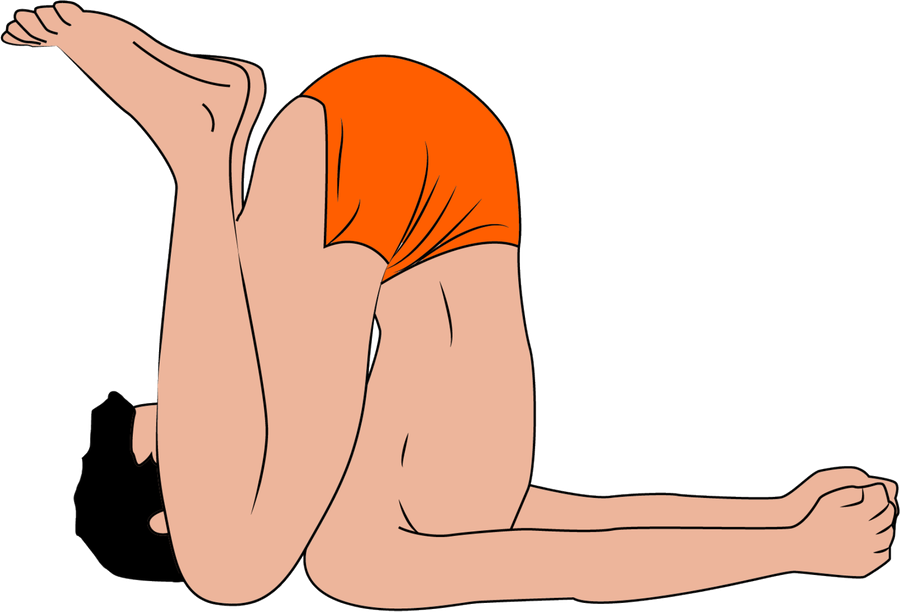
  9. Parvatásana, Mountain posture
    09

    Parvatásana

    Mountain posture

    Also called: Halásana (Plough posture)

    Duration – as in the case of sarváuṋgásana.

    How to do it

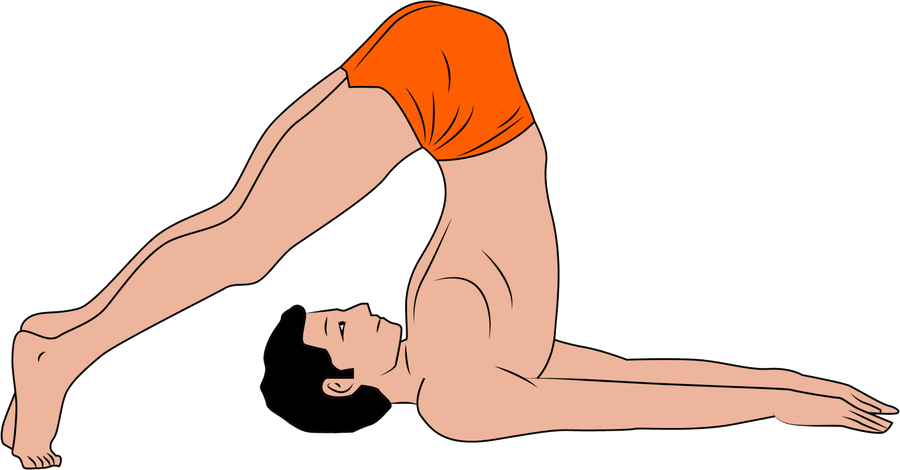
    Assume the position of sarváuṋgásana. Gradually bring the legs backwards and extend them as far as possible. Let the toes of both feet touch the ground. Keep both the hands in a prone position on either side of the body. Duration – as in the case of sarváuṋgásana.

    Caryácarya Part 3, “Ásanas”

  10. Shivásana, Shiva posture
    10

    Shivásana

    Shiva posture

    Duration – as for sarváuṋgásana.

    How to do it

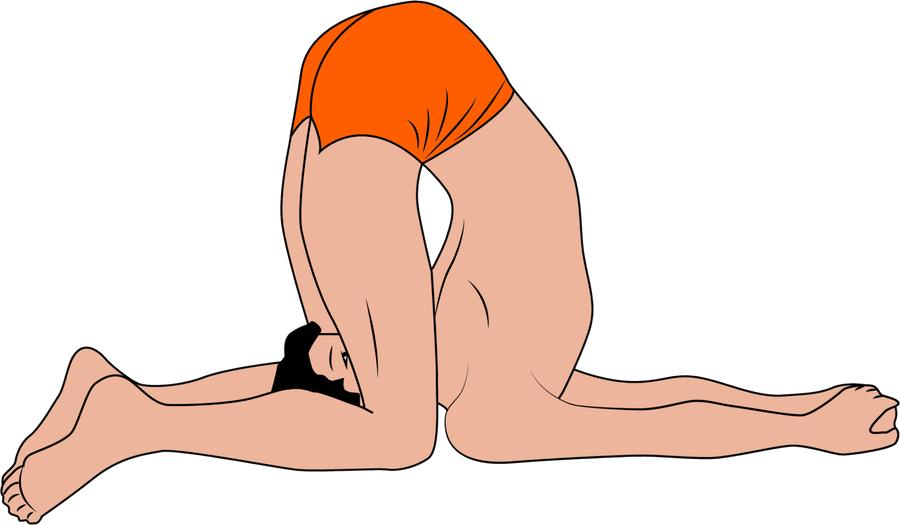
    Assume the position of Parvatásana. Bend the knees until they come close to the ears. Do not place the hands as in parvatásana, but interlock the fingers firmly and keep the hands in contact with the ground. Duration – as for sarváuṋgásana.

    Caryácarya Part 3, “Ásanas”

  11. Vajrásana, Thunder posture
    11

    Vajrásana

    Thunder posture

    Duration – half a minute. Practice four times.

    How to do it

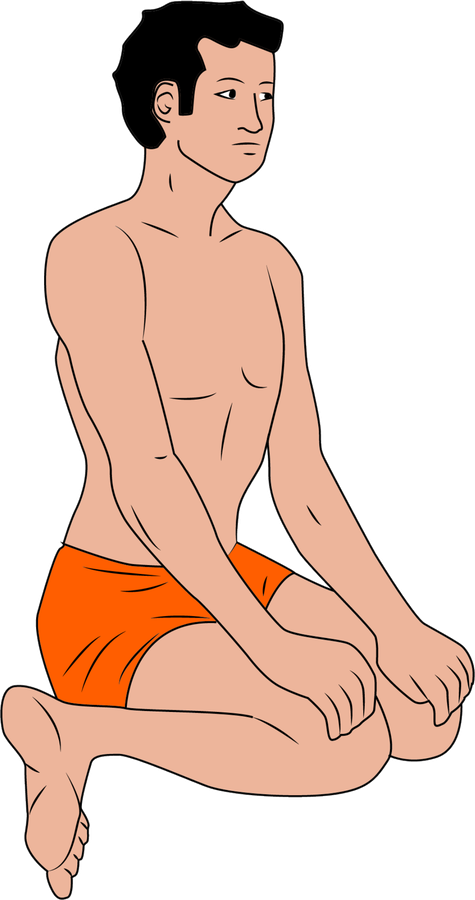
    Bend the right leg at the knee and direct the foot backwards, in such a way that it does not touch the right thigh. Supporting the weight on both the hands, direct the left foot backward in the same way. Now gradually sit on the floor. Raise the hands and place them on the knees. In the beginning practise this ásana very cautiously. Injury may result from trying to squat forcibly. Duration – half a minute. Practice four times.

    VAJRASANA | Thunder PoseOpen on YouTube ↗

    Caryácarya Part 3, “Ásanas”

  12. Siddhásana, Siddha posture
    12

    Siddhásana

    Siddha posture

    Duration – as long as you wish.

    How to do it

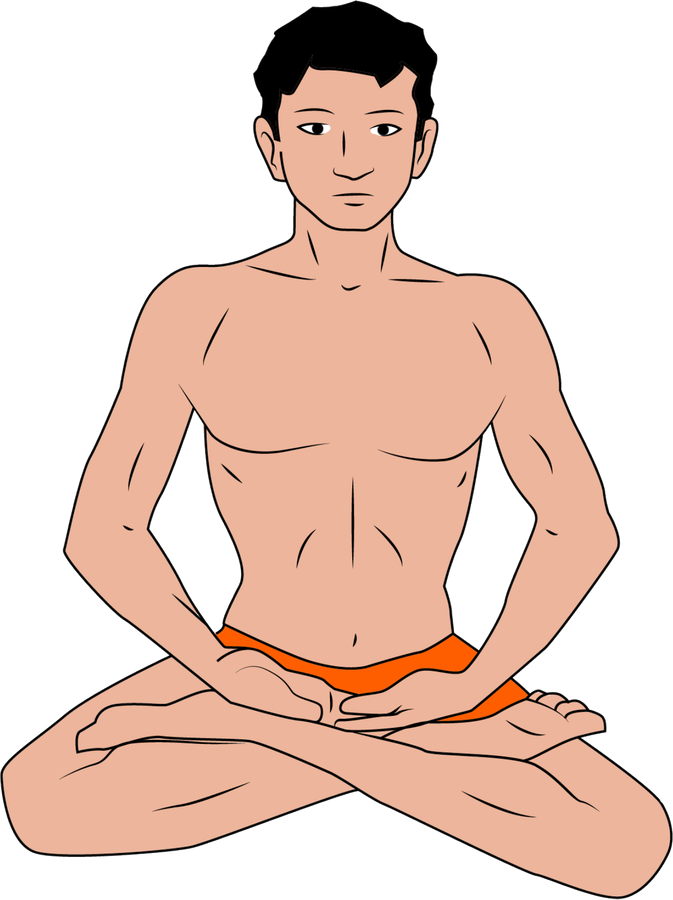
    Press the múládhára cakra with the left heel. Then press the svádhiśt́hána cakra with the right heel. Place the hands palm up on the respective knees. Duration – as long as you wish.

    Caryácarya Part 3, “Ásanas”

  13. Baddha padmásana, Bound lotus posture
    13

    Baddha padmásana

    Bound lotus posture

    Duration – half a minute. Practise four times.

    How to do it

    Assume the position of padmásana. Direct the right hand backwards from the right side and grasp the right big toe. In the same way, direct the left hand backwards and grasp the left big toe. Duration – half a minute. Practise four times.

    Caryácarya Part 3, “Ásanas”

  14. Kukkut́ásana, Cock posture
    14

    Kukkut́ásana

    Cock posture

    Duration – half a minute. Practise four times.

    How to do it

    Assume the position of padmásana and insert the hands and forearms in between the respective lower legs and thighs. Then raise the whole body, supporting the weight on the hands. Look forward. Duration – half a minute. Practise four times.

    Caryácarya Part 3, “Ásanas”

  15. Gomukhásana, Cow’s head posture
    15

    Gomukhásana

    Cow’s head posture

    Duration of each position – half a minute. Practise four rounds.

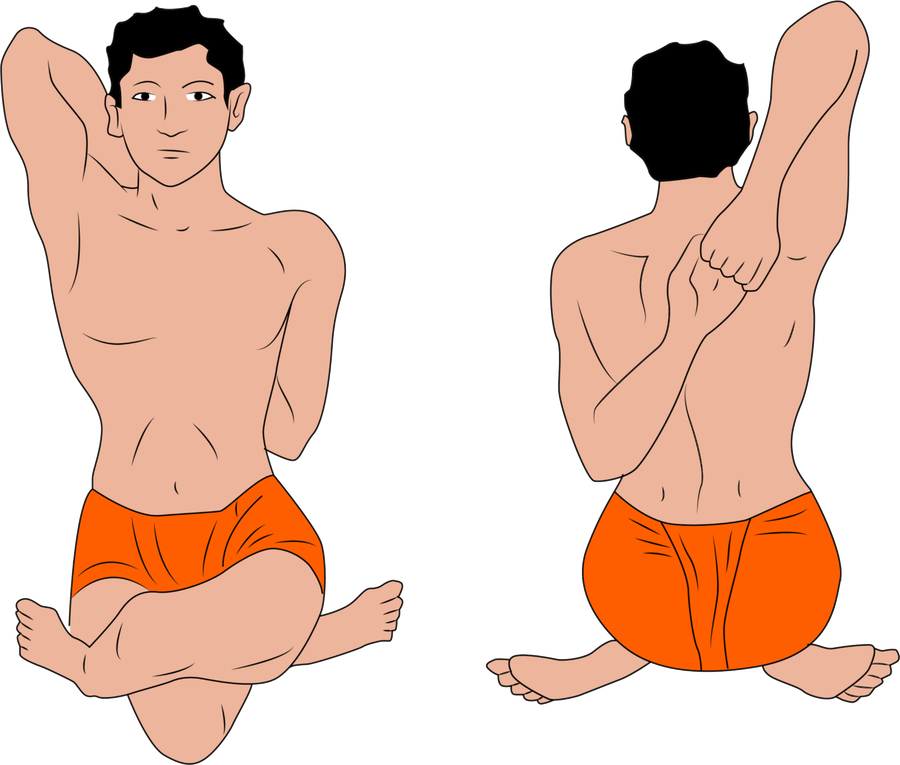
    How to do it

    (i) Sit down and extend the legs forwards. Bring the right leg under the left thigh, placing the right foot under the left buttock. Now bring the left leg across the right thigh and place the left foot under the right buttock. Place the left hand on the spine. Then bring the right hand backward over the right shoulder and interlock the fingers of the hands in a chain-like fashion.

    (ii) Practise in the same way with the left leg under the right leg. Completing this on both sides constitutes one round.

    Duration of each position – half a minute. Practise four rounds.

    GOMUKHASANA | Cow's Head PoseOpen on YouTube ↗

    Caryácarya Part 3, “Ásanas”

  16. Mayúrásana, Peacock posture
    16

    Mayúrásana

    Peacock posture

    Duration – half a minute. Practise four times.

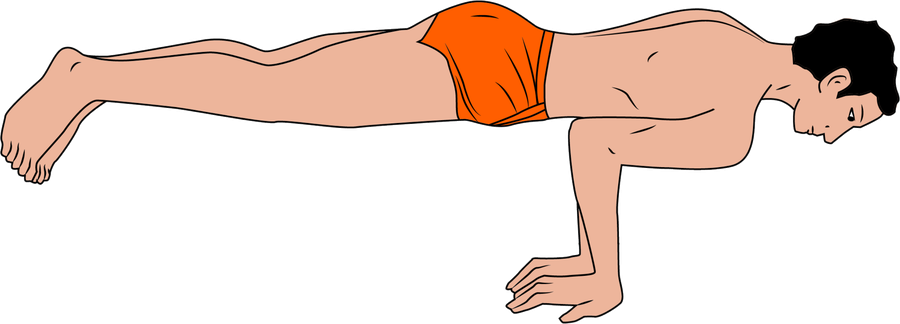
    How to do it

    Assume a squatting position. Bring the wrists together and place the palms on the floor, with the fingers pointing towards the feet. Now bring the elbows in contact with the navel and stretch the legs backward. Supporting the weight on the elbows, raise the head and the legs from the floor. Duration – half a minute. Practise four times.

    Caryácarya Part 3, “Ásanas”

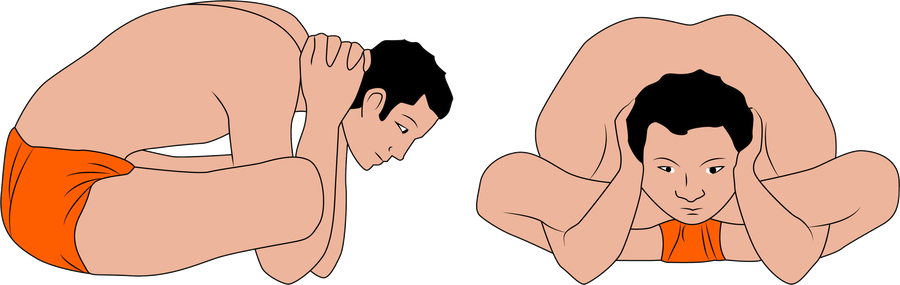
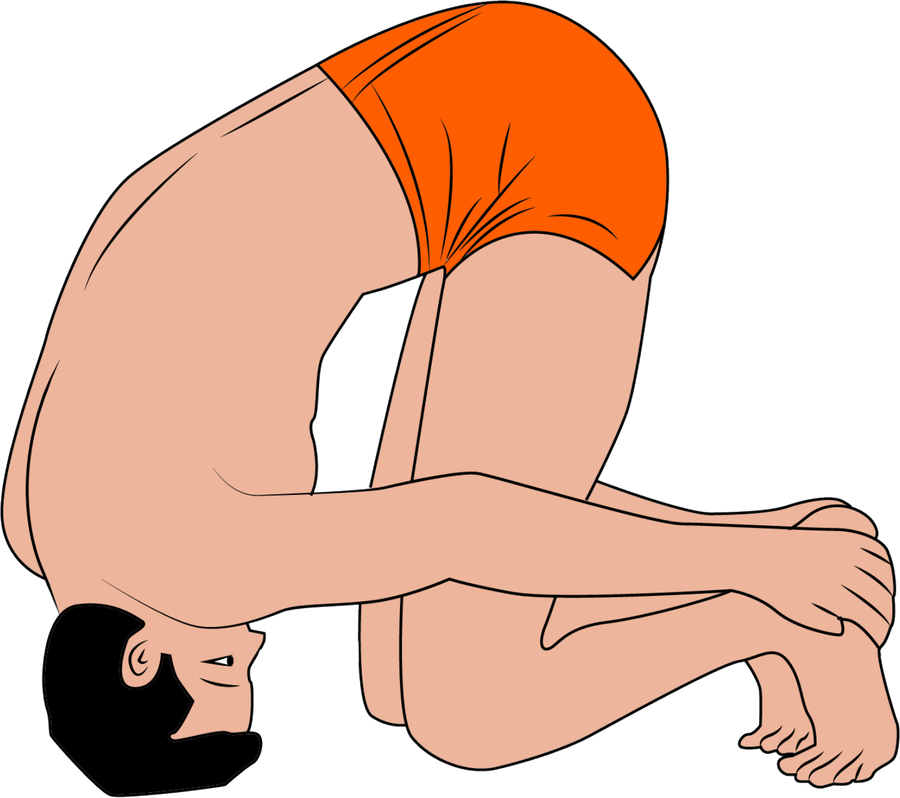
  17. Kúrmakásana, Tortoise posture
    17

    Kúrmakásana

    Tortoise posture

    Duration – half a minute. Practise four times.

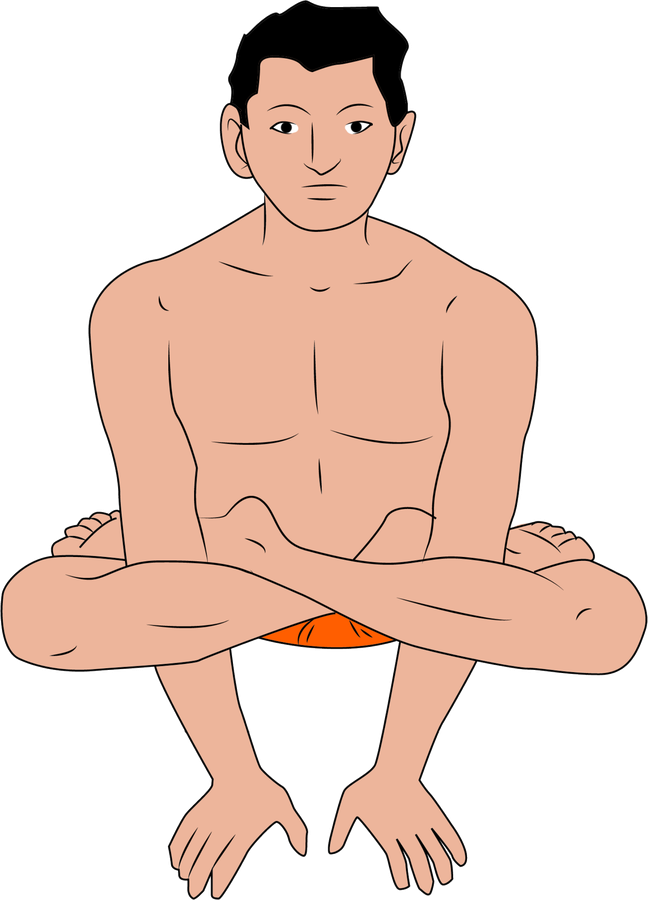
    How to do it

    Assume the position of padmásana. Insert both the forearms in between the lower legs and the thighs. Then grasp the neck with both the hands. Both the elbows will touch the floor, and the head will be bent forward. Look steadily in front as far as possible. Duration – half a minute. Practise four times.

    Caryácarya Part 3, “Ásanas”

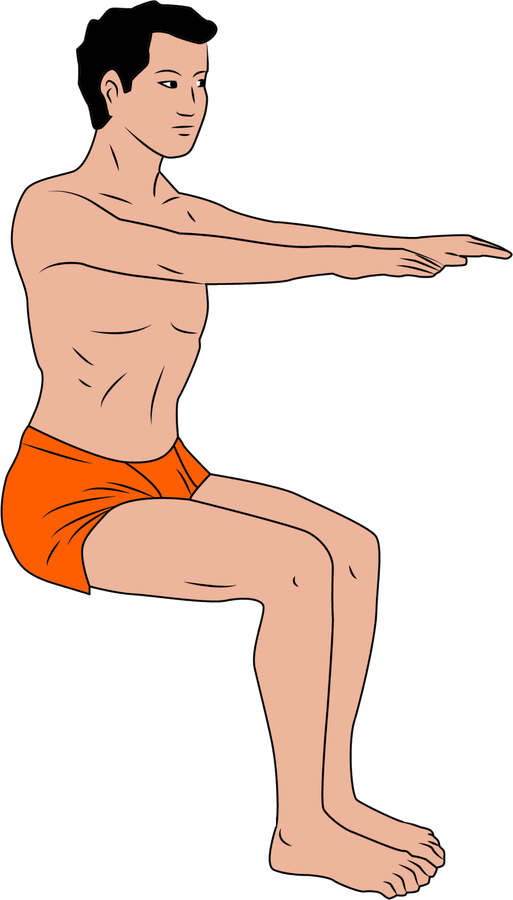
  18. Sahaja utkat́ásana, Simple chair posture
    18

    Sahaja utkat́ásana

    Simple chair posture

    Duration – half a minute. Practise four times.

    How to do it

    Seat yourself as if in a chair (but actually there will be no chair). Keep the arms straight to conform to the arms of the chair. Duration – half a minute. Practise four times.

    SAHAJA UTKATASANAOpen on YouTube ↗

    Caryácarya Part 3, “Ásanas”

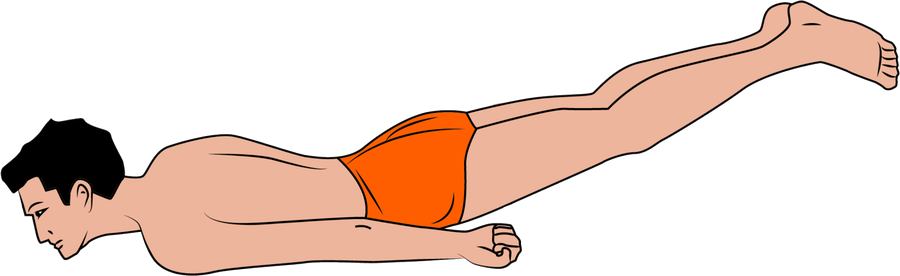
  19. Shalabhásana, Locust posture
    19

    Shalabhásana

    Locust posture

    Duration – half a minute. Practise four times.

    How to do it

    Lie down on your chest. Stretch the hands backward with the palms upward. Raise the legs and the waist, keeping the fists clenched. Duration – half a minute. Practise four times.

    SHALABHASANA | The Locust PostureOpen on YouTube ↗

    Caryácarya Part 3, “Ásanas”

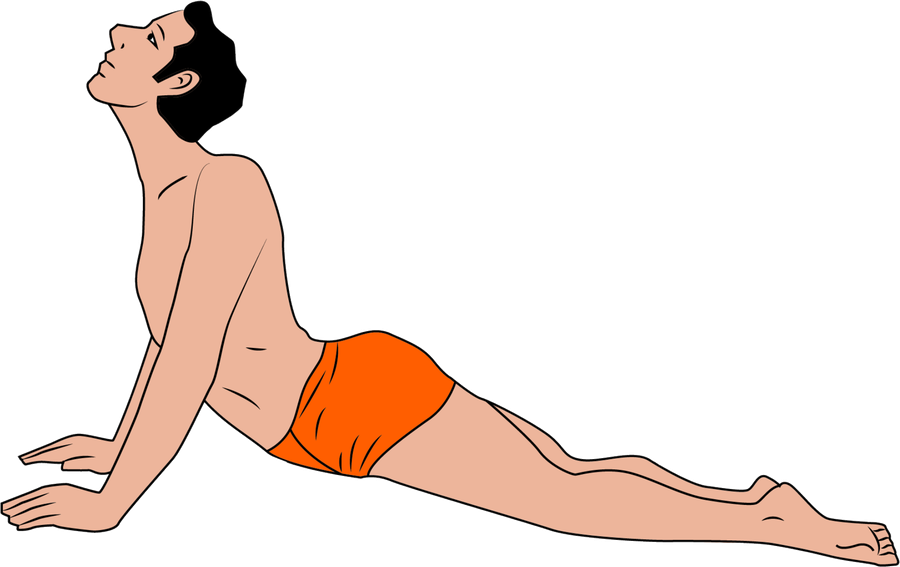
  20. Bhújauṋgásana, Snake posture
    20

    Bhújauṋgásana

    Snake posture

    Practise eight times.

    How to do it

    Lie down on your chest. Supporting the weight on the palms, raise the chest, directing your head backward. Look at the ceiling. Breathe in while rising, and after having risen, hold your breath for eight seconds. Come down to original position while breathing out. Practise eight times.

    BHUJAUNGASANA | Snake postureOpen on YouTube ↗

    Caryácarya Part 3, “Ásanas”

  21. Shasháuṋgásana, Hare posture
    21

    Shasháuṋgásana

    Hare posture

    Practise eight times.

    How to do it

    Kneel down and grasp both the heels firmly. While exhaling, bring the crown of the head into contact with the floor in a posture of bowing down. The forehead should touch the knees. Maintain this posture for eight seconds, holding the breath. Breathe in while rising. Practise eight times.

    Caryácarya Part 3, “Ásanas”

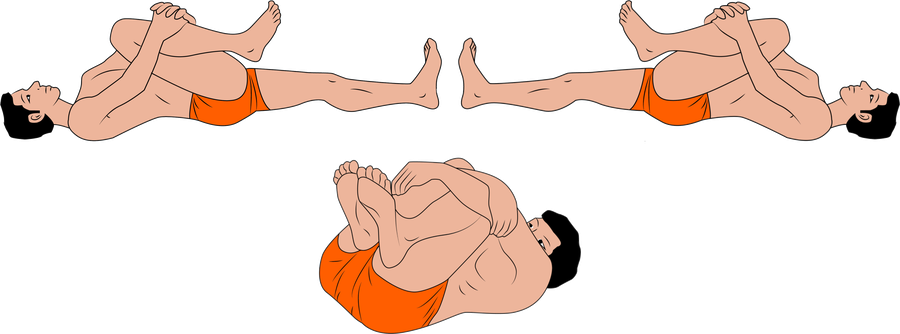
  22. Bhastrikásana, Bellows posture
    22

    Bhastrikásana

    Bellows posture

    Practise eight such rounds, i.e. 8 x 3 = 24 positions.

    How to do it

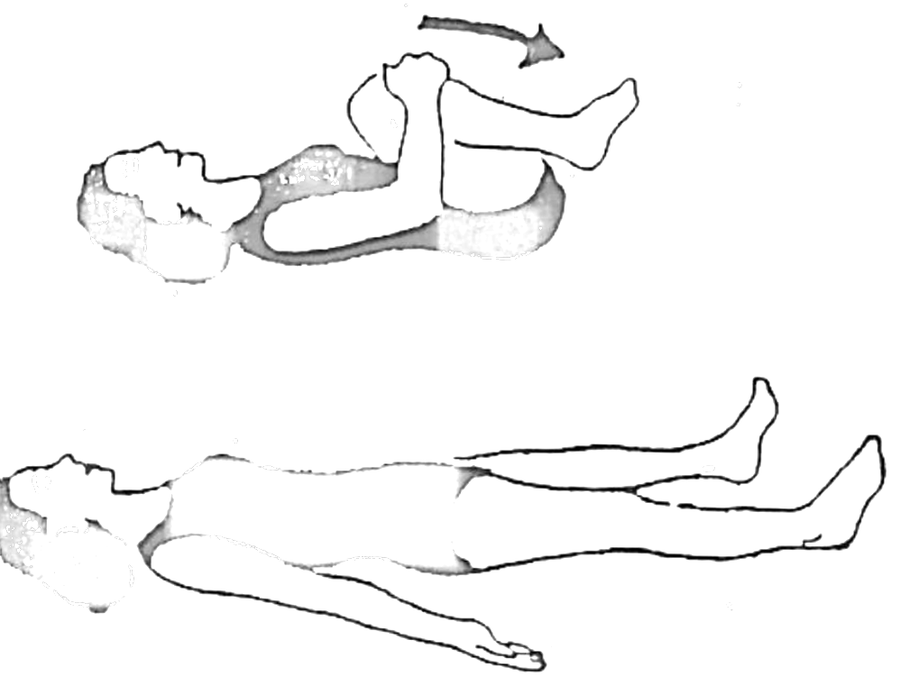
    Lie on your back, and while breathing out, bend the right leg and bring the thigh into contact with the chest. Grasp the leg firmly with both hands. Maintain this position for eight seconds, holding the breath. Resume original position while breathing in. Practise similarly with the left leg, and then with both legs together. One round comprises this process with the right leg, the left leg, and both legs together. Practise eight such rounds, i.e. 8 x 3 = 24 positions.

    BHASTRIKASANA | Bellows PoseOpen on YouTube ↗

    Caryácarya Part 3, “Ásanas”

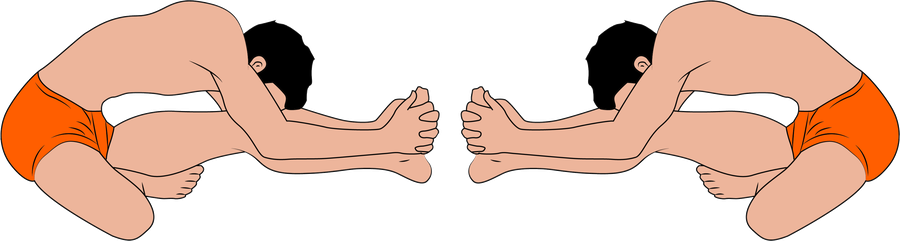
  23. Jánushirásana, Head-to-knee posture
    23

    Jánushirásana

    Head-to-knee posture

    Practise four rounds.

    How to do it

    Press the múládhára with the right heel. Extend the left leg forward. While exhaling, touch the left knee with the forehead. Then, interlocking all the fingers firmly, press the left sole with the hands. There should be complete expiration when the forehead touches the knee. Maintain this position for eight seconds. Separate the hands and sit erect, while breathing in. Then press the múládhára with the left heel and repeat the above process exactly. One round comprises practising once with the left and once with the right leg. Practise four rounds.

    JANUSHIRASANA | Head to Knee PoseOpen on YouTube ↗

    Caryácarya Part 3, “Ásanas”

  24. Ardhashivásana, Half Shiva posture
    24

    Ardhashivásana

    Half Shiva posture

    Duration – half a minute. Practise four times.

    How to do it

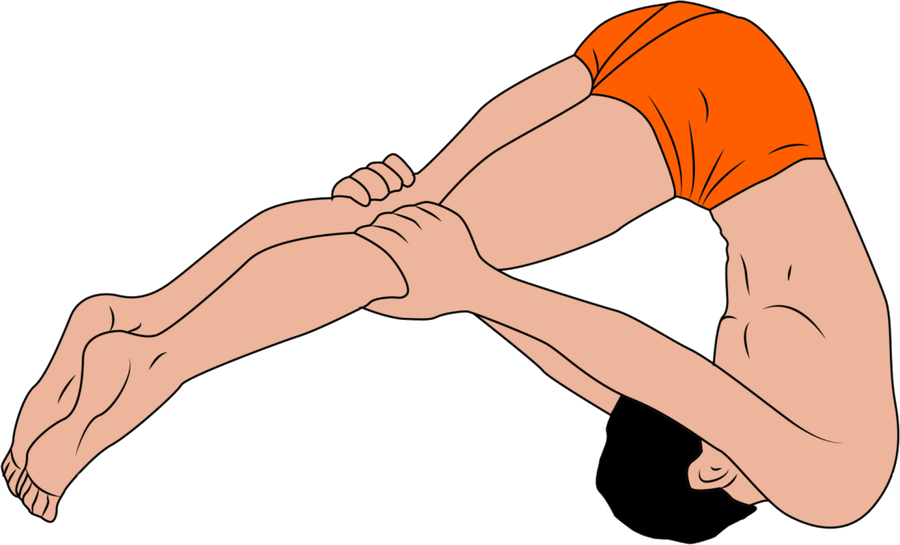
    The only difference between this ásana and Shivásana is that in Shivásana, while the legs are bent close to the ears, the feet remain on the ground; whereas in this ásana while the knees are kept close to the ears, the legs are extended upwards as in the case of sarváuṋgásana. Duration – half a minute. Practise four times.

    Caryácarya Part 3, “Ásanas”

  25. Ardhakurmakásana, Half tortoise posture
    25

    Ardhakurmakásana

    Half tortoise posture

    Also called: Diirgha prańáma (Long bowing posture)

    Practise eight times.

    How to do it

    Kneel down, and holding the palms together, extend the arms upward, keeping them close to the ears. Then bend forward in a posture of bowing down, touching the floor with the tip of the nose and the forehead. The buttocks must continue to touch the heels. While bending down breathe out and stay in a state of complete exhalation for eight seconds. Then rise up, breathing in. Practise eight times.

    Caryácarya Part 3, “Ásanas”

  26. Yogásana, Yoga posture
    26

    Yogásana

    Yoga posture

    Also called: Yogamudrá (Yoga posture)

    Practise eight times.

    How to do it

    Sit in bhojanásana. Pass both hands backward and grip the left wrist with the right hand. Then bring the forehead and the nose into contact with the floor, breathing out during the process. Maintain this state for eight seconds and then rise up, breathing in. Practise eight times.

    YOGAMUDRA ASANAOpen on YouTube ↗

    Caryácarya Part 3, “Ásanas”

  27. Tuládańd́ásana, Balance posture
    27

    Tuládańd́ásana

    Balance posture

    Duration – half a minute. Practise four times.

    How to do it

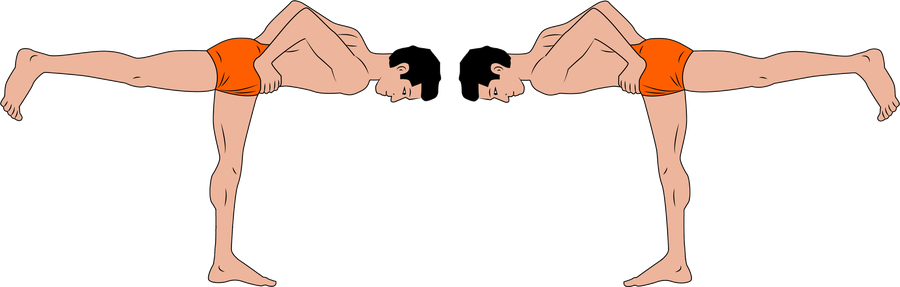
    (i) Standing on the left foot, direct the other foot backward and raise it. Grasp the waist on either side with the respective hand, and then bend the trunk and the head forward such that the head, the trunk and the leg (extended backward) are parallel to the floor.

    (ii) Standing on the right foot, repeat the process. Duration – half a minute. Practise four times.

    Caryácarya Part 3, “Ásanas”

  28. Uśt́rásana, Camel posture
    28

    Uśt́rásana

    Camel posture

    Duration – half a minute. Practise four times.

    How to do it

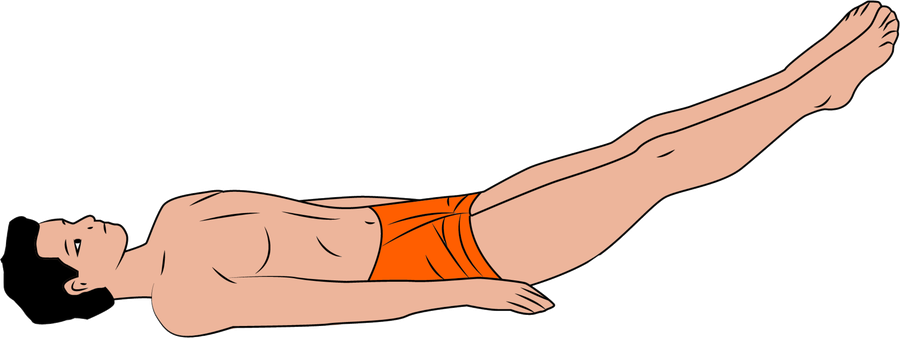
    Lie in a supine position. Raise the extended legs from the floor in such a way that they form an angle of 30 degrees. In the meantime keep both the arms extended, touching the sides. Duration – half a minute. Practise four times.

    USTRASANA | Camel PoseOpen on YouTube ↗

    Caryácarya Part 3, “Ásanas”

  29. Utkat́a kúrmakásana, Difficult tortoise posture
    29

    Utkat́a kúrmakásana

    Difficult tortoise posture

    Duration – half a minute. Practise four times.

    How to do it

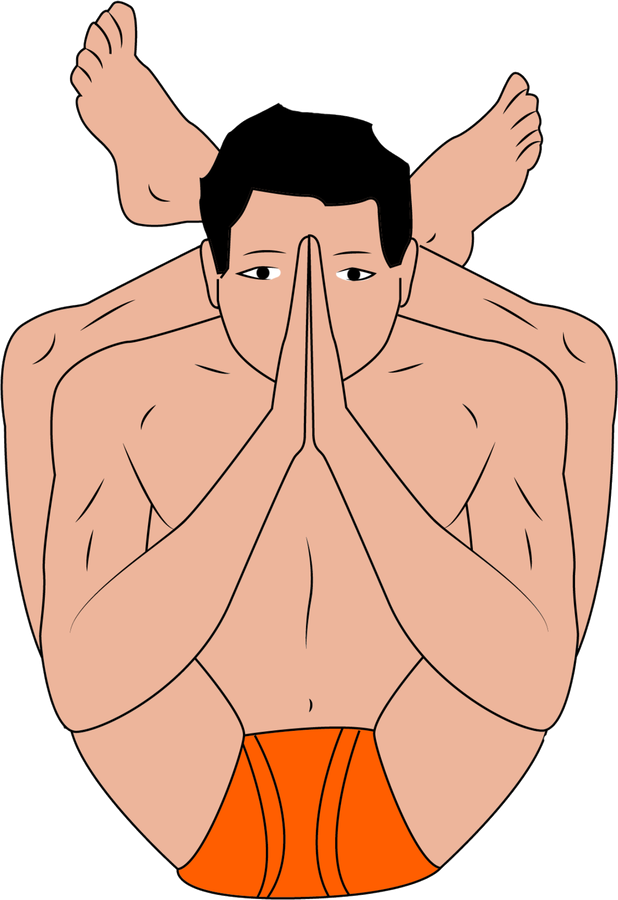
    Bring the right leg over the right shoulder. Then bring the left leg over the left shoulder and place it on the right ankle. Interlock the fingers firmly and hold them forward in the namaskára position. Duration – half a minute. Practise four times.

    Caryácarya Part 3, “Ásanas”

  30. Jat́ila utkat́ásana, Difficult chair posture
    30

    Jat́ila utkat́ásana

    Difficult chair posture

    Duration – half a minute. Practise four times.

    How to do it

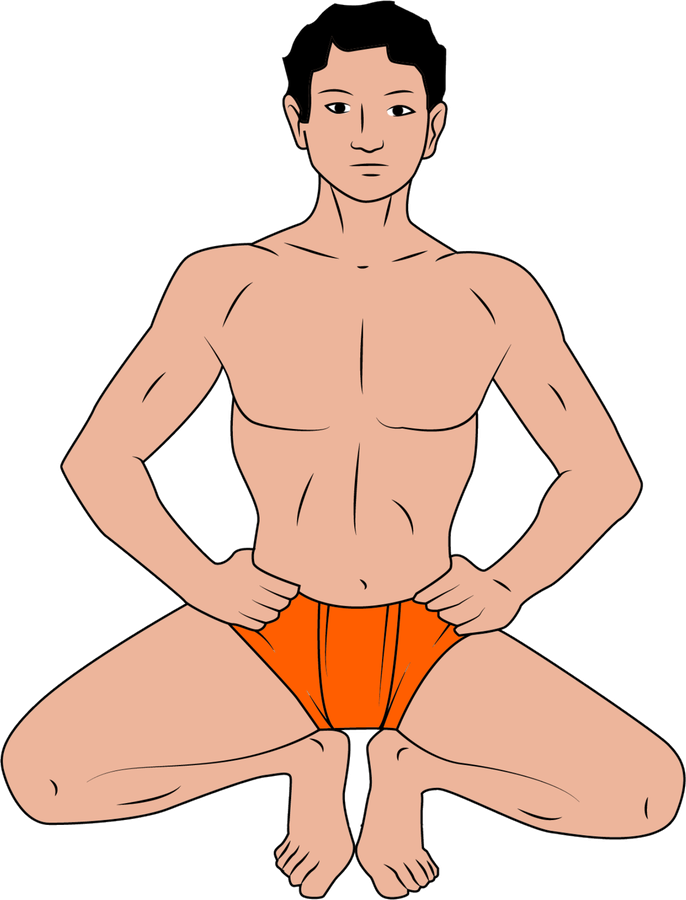
    Squat down, supporting the entire weight of the body on the big toes. Grasp the waist on each side with the hands, the buttocks resting on the heels. Duration – half a minute. Practise four times.

    Caryácarya Part 3, “Ásanas”

  31. Utkat́a vajrásana, Difficult thunder posture
    31

    Utkat́a vajrásana

    Difficult thunder posture

    Duration – half a minute. Practise three times.

    How to do it

    Lie down in vajrásana. Place the arms as in matsyásana. Duration – half a minute. Practise three times.

    Caryácarya Part 3, “Ásanas”

  32. Padahastásana, Arm-and-leg posture
    32

    Padahastásana

    Arm-and-leg posture

    Practise eight rounds, making sure that no part of the body below the waist is bent at any time.

    How to do it

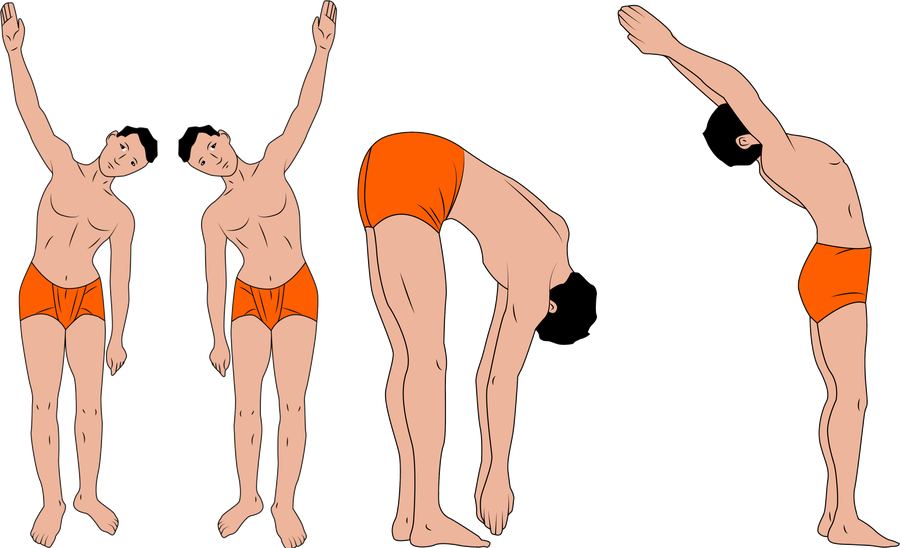
    Stand erect, raising the arms, palms open. Then bend the trunk and the left arm leftwards while breathing out, and in a state of full expiration touch the left foot with the left hand. After maintaining this position for eight seconds, raise the body and extend the left arm upwards, breathing in throughout the process. When the body is perfectly erect again, bend the trunk and the right arm rightwards, breathing out, and, in a state of complete expiration, hold for eight seconds, touching the right foot with the right hand. Then raise the trunk, extending the right arm upwards, inhaling throughout the process. Then bend the trunk forward, breathing out in the process, and catch hold of the big toes. Stay in this position for eight seconds. Then, breathing in, rise up, and raise the arms and extend them backward. When you cannot bend any farther back, hold yourself in that position for eight seconds, retaining the breath. Then bend forward while breathing out, and, just touching the big toes (i.e., without staying in that position), raise the trunk and the arms, breathing in. One round is then complete. Practise eight rounds, making sure that no part of the body below the waist is bent at any time.

    Caryácarya Part 3, “Ásanas”

  33. Shavásana, Corpse posture
    33

    Shavásana

    Corpse posture

    Duration – Those for whom shavásana has been specially prescribed will practise up to ten minutes.

    How to do it

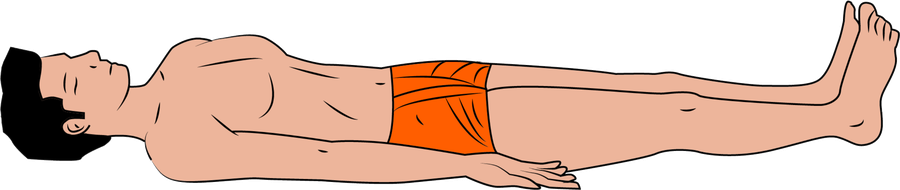
    Lie quietly on the back like a corpse and imagine that you are dead. Keep the arms away from the chest, on the floor, in a perfectly relaxed condition. Duration – Those for whom shavásana has been specially prescribed will practise up to ten minutes.

    Caryácarya Part 3, “Ásanas”

  34. Padmásana, Lotus posture
    34

    Padmásana

    Lotus posture

    You can maintain this posture as long as you like.

    How to do it

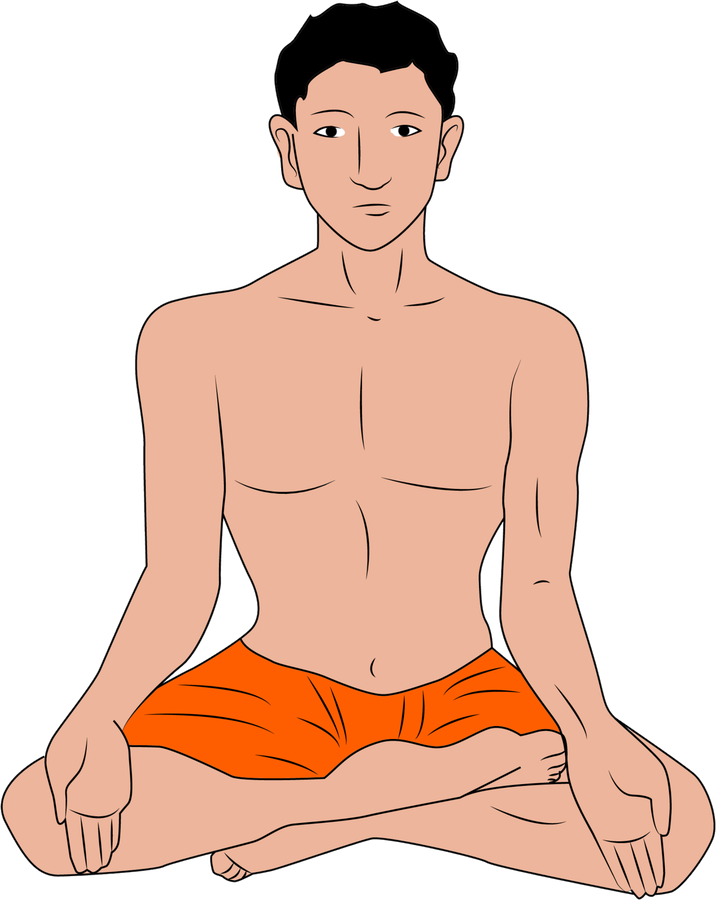
    Place the right foot on the left thigh and the left foot on the right thigh. Clench the jaws and press the tongue against the roof of the mouth. You can maintain this posture as long as you like.

    Caryácarya Part 3, “Ásanas”

  35. Karmásana, Action posture
    35

    Karmásana

    Action posture

    Four rounds should be practised.

    How to do it

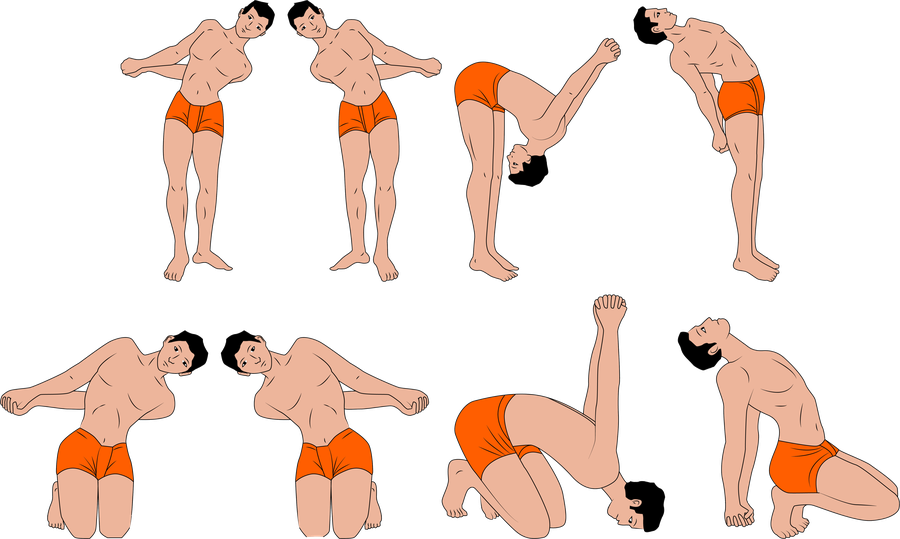
    This ásana is made up of two parts. The second part is the complement of the first. One performance of the first and second parts makes a complete round. Four rounds should be practised.

    First Part

    Stand upright, and placing both hands behind the back, interlock the fingers and press the palms together. Keeping the body below the navel steady, move the upper body in four directions as in padahastásana.

    (i) Bend the upper part of the body leftwards, breathing out, and stay in this position for eight seconds, holding the breath. Resume original position, breathing in. Move the interlocked hands to the right when the body bends leftwards. Remember that the left arm should touch the back when the body is bent, and keep touching it while holding this position.

    (ii) Practise similarly on the other side, that is, bend the upper part of the body to the right and move the interlocked hands to the left.

    (iii) Bend downward exhaling slowly. As you bend lower and lower, gradually raise the interlocked hands upwards. Bring the head as low as possible and raise the arms upwards with the hands interlocked. The knees should not bend. Maintain this position for eight seconds without inhaling. Resume original position, inhaling.

    (iv) Bend the upper part of the body backwards while inhaling. While bending the trunk, head and neck backwards, hold the interlocked hands straight down. Stay in this position, holding the breath, for eight seconds. Breathing out, resume original position.

    Second Part

    In the first part of karmásana you do the ásana standing, while in the second part you kneel down and sit on the heels. Then repeat the same exercise as in the first part, moving the body in all four directions. The toes should point forwards. The duration and manner of breathing should be the same as in the first part. In this part also the body below the navel should not bend. The second part differs from the first part as follows:

    (i) and (ii) are no different from the first part.

    (iii) – While bending forwards, the nose and forehead should touch the ground.

    (iv) – while bending the chest and head backwards, the interlocked hands should graze the soles of the feet and touch the ground, supporting the weight a little.

    Caryácarya Part 3, “Ásanas”

  36. Jiṋánásana, Knowledge posture
    36

    Jiṋánásana

    Knowledge posture

    Maintain this position for half a minute. (i) and (ii) constitute one round, and four rounds should be practised.

    How to do it

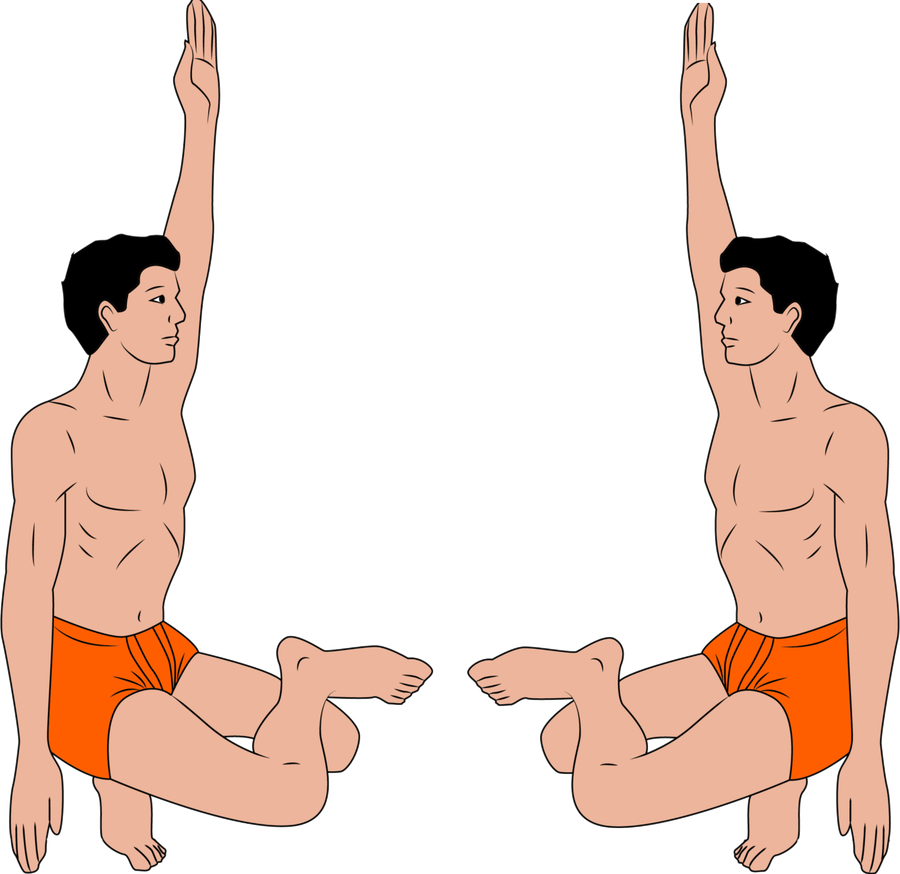
    (i) Squat, sitting on the heels, with the arms a little behind the buttocks. Shift the left leg a little forward and put the right ankle on the lower part of the left thigh, just above the knee, in such a way as to form a triangle in a plane parallel to the earth. Raise the left arm upwards, touching the ear. Look forward. Keep the balance by touching the ground with the fingers of the right hand. Maintain this position for half a minute.

    (ii) Repeat this process on the other side.

    (i) and (ii) constitute one round, and four rounds should be practised.

    Caryácarya Part 3, “Ásanas”

  37. Bhávásana, Ideation posture
    37

    Bhávásana

    Ideation posture

    Duration – eight seconds. Practise four times.

    How to do it

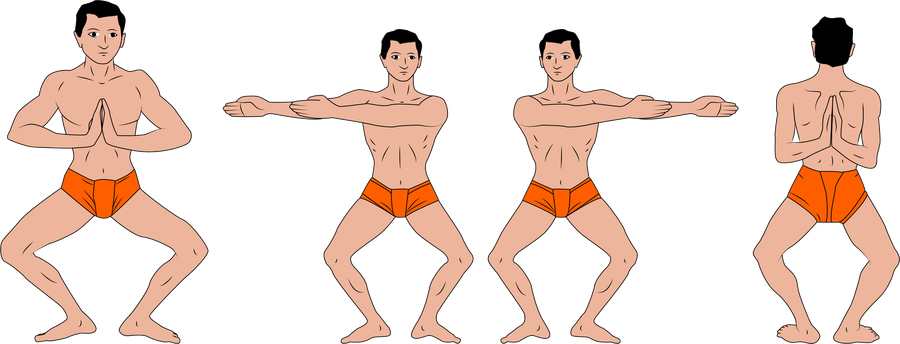
    (i) Sit as in sahaja utkat́ásana, keeping the feet slightly apart and pointing in opposite directions, but instead of holding the arms parallel to each other, bring the palms together as in a greeting. Keep the vision on the trikut́i. Duration – eight seconds.

    (ii) Extend both arms to the right, the left arm touching the chest and stretching rightwards as far as possible. Duration – eight seconds.

    (iii) Extend the arms leftwards in the same way. Duration – eight seconds.

    (iv) Put the arms behind the back and bring the palms together. Duration – eight seconds.

    Practise four times.

    Caryácarya Part 3, “Ásanas”

  38. Granthimuktásana, Knot-loosening posture
    38

    Granthimuktásana

    Knot-loosening posture

    Duration – eight seconds. Practise four rounds.

    How to do it

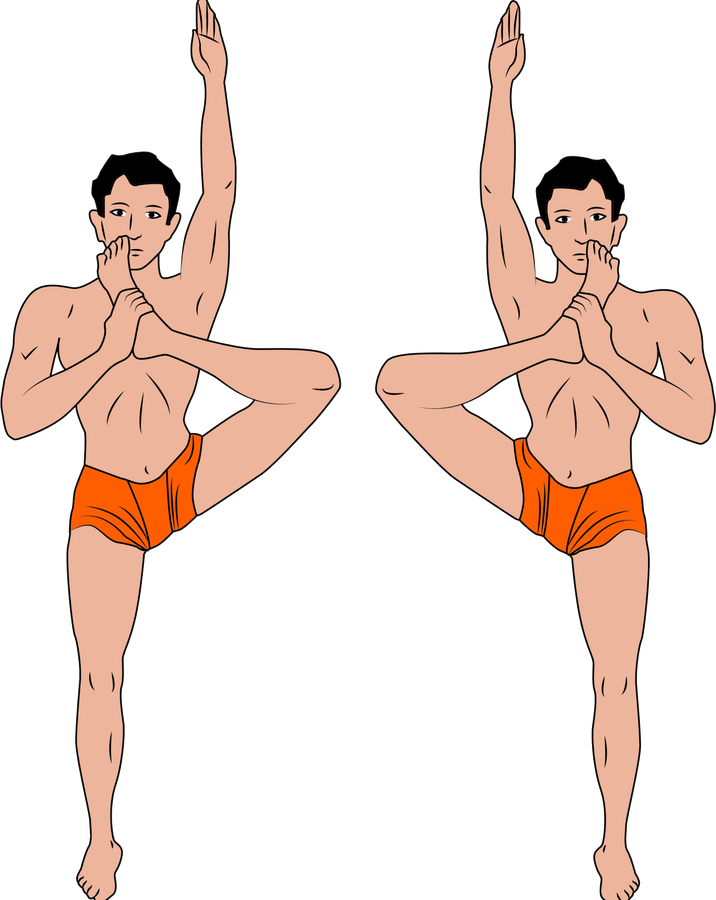
    Stand erect. Hold your left ankle with your right hand and touch the left big toe to your right nostril, and raise the left hand straight upwards. Duration – eight seconds. In the same way, touch the right big toe to the left nostril. This makes one complete round. Practise four rounds.

    GRANTHIMUKTASANA | Knot-loosening PoseOpen on YouTube ↗

    Caryácarya Part 3, “Ásanas”

  39. Garud́ásana, Bird posture
    39

    Garud́ásana

    Bird posture

    Duration – half a minute. Practise four rounds.

    How to do it

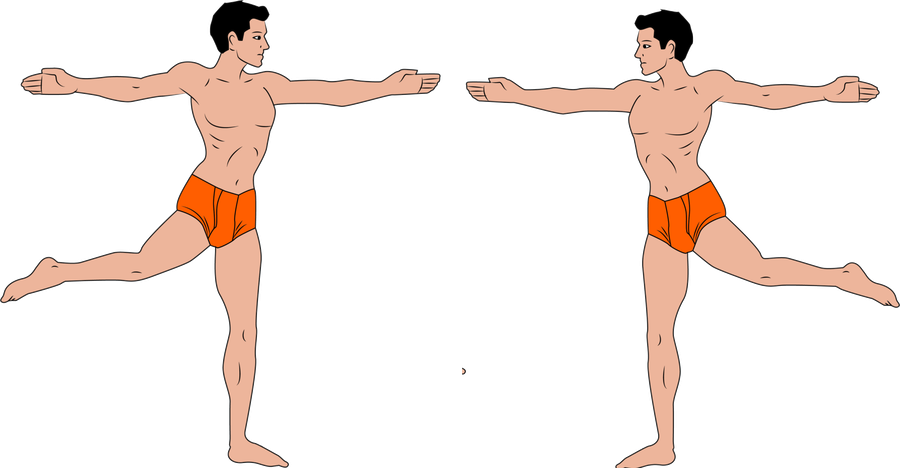
    Stand erect. Stretch the right leg as far back as possible. Extend the left arm forwards and the right arm backwards, keeping both arms parallel to the ground. Then try to touch the right big toe with the right hand (it will not touch). Do not bend the body at all, but the right leg may be bent slightly upwards. The posture will resemble that of a flying bird. Duration – half a minute. In the same way, try to touch the left big toe with the left hand. These processes will make one round. Practise four rounds.

    GARUDASANA | The Bird PoseOpen on YouTube ↗

    Caryácarya Part 3, “Ásanas”

  40. Dvisamakońásana, Double right-angle posture
    40

    Dvisamakońásana

    Double right-angle posture

    Duration – eight seconds. Practise four rounds.

    How to do it

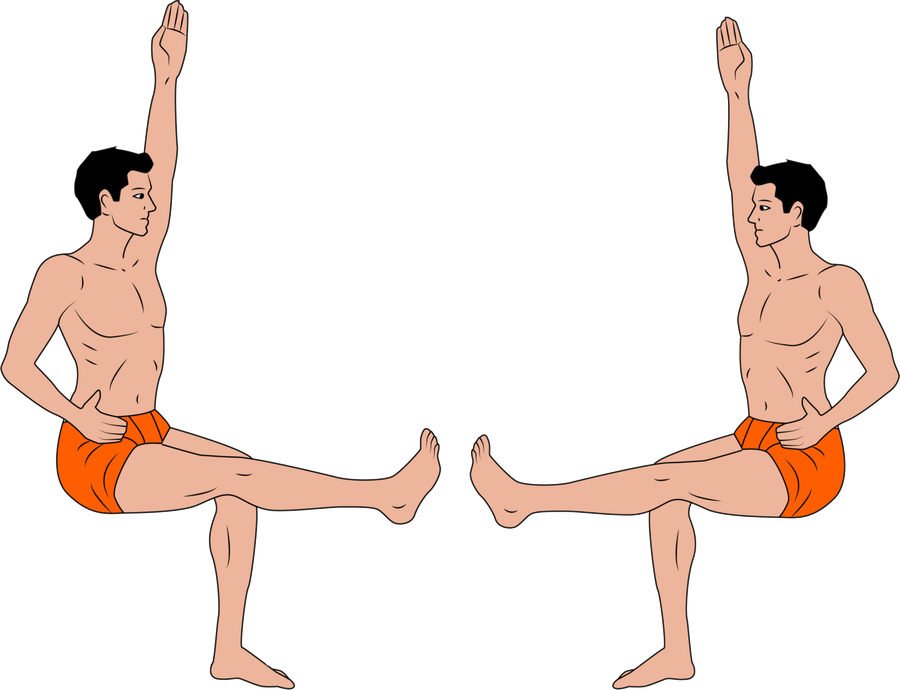
    Sit in sahaja utkat́ásana. Extend the right leg forward, parallel to the ground, and raise the left arm upwards. Hold the waist with the right hand. Duration – eight seconds. A similar process on the other side makes one round. Practise four rounds.

    Caryácarya Part 3, “Ásanas”

  41. Tejasásana, Energy posture
    41

    Tejasásana

    Energy posture

    Duration – two minutes. Practise three times.

    How to do it

    Practise parvatásana, but instead of placing the hands on the floor, clasp the knees with them. Duration – two minutes. Practise three times.

    Caryácarya Part 3, “Ásanas”

  42. Mańd́ukásana, Frog posture
    42

    Mańd́ukásana

    Frog posture

    Practise three such rounds.

    How to do it

    Sit in padmásana and, placing the arms beside the knees and under the legs, clasp the hands with your palms on the ground. Then raise the body, resting it on the palms, and skip forward three times and then backward three times. This completes one round. Practise three such rounds.

    Caryácarya Part 3, “Ásanas”

Mudrás and bandhas

Mudrás are almost the same thing as ásanas, but with more ideation in them. Their rules are similar to those for ásanas, except that there is no restriction regarding the nostrils. There are many mudrás; a few necessary ones are given here.

Three of the bandhas, mahámudrá, mahábandha and mahávedha, are practiced one after another and make up bandhatraya yoga. In each of them jálandhara bandha is held: the chin clamped against the chest.

  1. Utkśepa mudrá
    01

    Utkśepa mudrá

    How to do it

    Everyone may perform the practices below if they wish.

    This mudrá should be practised in bed immediately upon waking. While lying on the back, one should flex both the arms and legs, bringing them over the chest, and then return them immediately to the extended position. After doing this three or four times, sit up in bed and drink a glass of cold water without allowing the water to touch the teeth. After this you should expose the navel area to the air, and walk up and down in this way for some time in the open air.

    Caryácarya Part 3, “Different Yoga Practices”

  2. Ud́d́ayana mudrá
    02

    Ud́d́ayana mudrá

    Practise eight times.

    How to do it

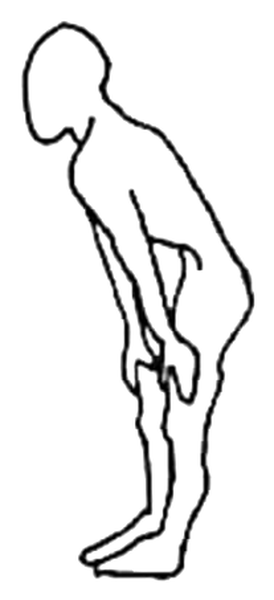
    Standing, place the hands above the knees and bend forward a little. Gradually breathe out, to a state of complete exhalation. Keeping the breath out, draw the abdomen and lower abdomen inward as hard as possible, to touch the spine. Maintain this position for eight seconds. Then gradually inhale fully. Practise eight times.
    Caryácarya Part 3, “Mudrás and Bandhas”

  3. Agnisára mudrá
    03

    Agnisára mudrá

    Initially practise three times and gradually increase to ten times.

    How to do it

    Sitting in siddhásana, hold the waist on both sides with the hands. While breathing out, press the navel region with the middle fingers and contract it till it touches the spine. Stay in this position for a little while. Gradually resume original position. This constitutes one time. Initially practise three times and gradually increase to ten times.
    Caryácarya Part 3, “Mudrás and Bandhas”

  4. 04

    Vasti mudrá

    How to do it

    Everyone may perform the practices below if they wish.

    While defecating, keep the genital organ pointed upward, pressing its base with the middle finger of the left hand and pressing the scrotum with the rest of the fingers. This is as good as using a kaopiina. Remove the hand while urinating.

    Caryácarya Part 3, “Different Yoga Practices”

  5. 05

    Párthivii mudrá

    Practise seven times.

    How to do it

    Lie on the back. Spread the arms on the floor beside the body. Close the eyes, and, concentrating the mind on the múládhára cakra, breathe in, and, without pausing, breathe out. Practise seven times.

    Caryácarya Part 3, “Mudrás and Bandhas”

  6. 06

    Ámbhasii mudrá

    Practise seven times.

    How to do it

    As in párthivii mudrá, but concentrate on the svádhiśt́hána cakra. Practise seven times.

    Caryácarya Part 3, “Mudrás and Bandhas”

  7. 07

    Ágneyii mudrá

    Practise seven times.

    How to do it

    As in parthivii or ámbhasii mudrá. Concentrate on the mańipura cakra. Practise seven times.

    Caryácarya Part 3, “Mudrás and Bandhas”

  8. 08

    Váyavii mudrá

    Practise seven times.

    How to do it

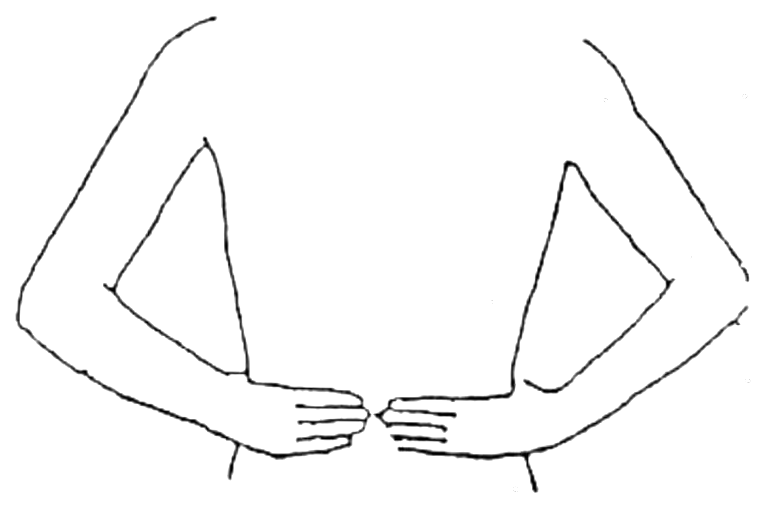
    Standing erect, press the nipples with the third joints of the middle fingers of both hands. The remaining fingers will stay in their natural positions on either side of the middle fingers. Now bring both the elbows backward while inhaling. After complete inhalation, exhale. The elbows should be relaxed a little when exhaling. Practise this mudrá with the eyes closed, concentrating the mind on the anáhata cakra. Practise seven times.

    Caryácarya Part 3, “Mudrás and Bandhas”

  9. 09

    Ákáshii mudrá

    Practise seven times.

    How to do it

    Practise this exactly like váyavii mudrá, but concentrate your mind on the vishuddha cakra. Practise seven times.

    Caryácarya Part 3, “Mudrás and Bandhas”

  10. 10

    Mánasii mudrá

    Practise seven times.

    How to do it

    Practise this in the same way as váyavii or ákáshii mudrá, but concentrating the mind on the trikut́i. This mudrá may be practised in a supine position like párthivii mudrá. If it is practised in a supine position, the hands should rest in relaxation on either side of the trunk. Practise seven times.

    Caryácarya Part 3, “Mudrás and Bandhas”

  11. 11

    Kákacaiṋcu mudrá

    Practise this seven times.

    How to do it

    Sit in the open air, preferably on the bank of a pond, facing it. Projecting the mouth like a beak, draw in air, producing a hissing sound, and swallow the air, imagining that the air is whirling around inside the stomach. Be sure that the hissing sound is produced during the act of inhalation. Now the air will escape from the stomach, but take no notice of it. Practise this seven times.

    Caryácarya Part 3, “Mudrás and Bandhas”

  12. 12

    Trimuńd́a mudrá

    Duration – three minutes. To be practised four times.

    How to do it

    Sit extending both the legs together. Then pull the legs back towards the body and place the soles of the feet on the ground in such a way that the thighs form an angle of 15 degrees to 20 degrees with the lower legs. Thrusting both hands inside this angle, pass them outside the legs and grasp the opposite elbows. Both the hands should be kept below the knees. Pull both legs close to the trunk and place the chin between the knees. Duration – three minutes. To be practised four times.

    Caryácarya Part 3, “Mudrás and Bandhas”

  13. 13

    Ashvinii mudrá

    Practise eight to ten times.

    How to do it

    Sitting in bhojanásana, contract and immediately relax the anal sphincter. Practise eight to ten times.

    This mudrá can also be performed sitting in a pond or tub full of water.

    Caryácarya Part 3, “Mudrás and Bandhas”

  14. 14

    Vajrolii mudrá

    Practise three times.

    How to do it

    During urination contract the vajrolii nádii and hold it for some time. Then release the hold. Practise three times.

    This exercise can be practised when the urine is clear and its flow is normal.

    After urination, be doubly sure to wash with water.

    Caryácarya Part 3, “Mudrás and Bandhas”

  15. 15

    Mahámudrá

    Retain this position for half a minute.

    How to do it

    Pressing the right heel to the múládhára in a like manner, practise mahámudrá, mahábandha and mahávedha.

    Sitting down, press the múládhára cakra with the left heel and extend the right leg forward. Breathe in deeply, and at the same time contract the urinary sphincter muscles. Grasp the sole of the extended foot firmly with both hands, and maintaining jálandhara Bandha (clamping the chin against the chest), hold the breath. Retain this position for half a minute. Then relax the hands and also jálandhara bandha, and, sitting erect, breathe out.

    Caryácarya Part 3, “Mudrás and Bandhas”

  16. 16

    Mahábandha

    Maintain this position for half a minute, and then, releasing the hands and relaxing jálandhara bandha, breathe out.

    How to do it

    Pressing the right heel to the múládhára in a like manner, practise mahámudrá, mahábandha and mahávedha.

    Press the múládhára cakra with the left heel and press the svádhiśt́hána with the right. Breathe in and simultaneously imagine that the urinary sphincter muscles are being raised. Apply jálandhara bandha, and after placing the thumbs over the waist, press the sides of the genitary organ with the eight remaining fingers. Maintain this position for half a minute, and then, releasing the hands and relaxing jálandhara bandha, breathe out.

    Caryácarya Part 3, “Mudrás and Bandhas”

  17. 17

    Mahávedha

    Retain this posture for half a minute.

    How to do it

    Pressing the right heel to the múládhára in a like manner, practise mahámudrá, mahábandha and mahávedha.

    Press the múládhára with the left heel and the svádhiśt́hána with the right. Contract both the anal and the urinary sphincter muscles hard while breathing out. Both the thumbs will rest over the waist. With the remaining eight fingers, try to raise the anal and the urinary sphincters. Jálandhara bandha should be held in the meantime. Retain this posture for half a minute. Release the hands and jálandhara bandha, breathe in, and at the same time relax the anal and urinary sphincters.

    Caryácarya Part 3, “Mudrás and Bandhas”

  18. 18

    Jálandhara bandha

    How to do it

    Named within mahámudrá, mahábandha and mahávedha; the book gives only this parenthetical definition.

    clamping the chin against the chest

    Caryácarya Part 3, “Mudrás and Bandhas” (in mahámudrá)

What a study found

Yoga postures and the stress hormone

Stories

  • At least two

    In October 1971 at Patna, Bábá started checking Sixteen Points. During reporting, Bábá used to check how the workers and Márgiis present there were following the Sixteen Points. When he found that some items were not being observed, He would explain their usefulness and emphasise that they should be followed strictly. One day, while giving instructions regarding ásanas, He said, "You have to do ásanas twice a day. If you are short of time, do at least two ásanas."Read the story

    — A worker at a reporting session, Patna, October 1971, Ácárya Keshavánanda Avadhúta, “Reminiscences of Bábá: Memoirs”, “3.38. Be Regular in Ásanas”

  • The evening ásanas

    Patna. A Filipino Dádá who was held in the same jail as Bábá for the last nine months had been released. He was standing in the corner of a large courtyard surrounded by several other workers and Márgiis. When he saw me approaching, he said, “You must be Dharmapala.” I was surprised because we had never met. “How do you know me?” I asked. “Oh, Bábá spoke of you many times.” I became even more surprised. “What did He say?” “He said that it was good to see some nice American boys like you becoming acharya.” “And did He say anything negative about me?” “Well…” He thought for a moment, and then said, “Once when He was talking about you, He said, ‘Unfortunately, that boy never does his ásanas in the evening time.’” I was shocked. Yes, I accepted that Bábá was omniscient. But I never expected He would notice and expose such mundane things about me when I was not in His presence. And I was absolutely sure that no one could have noticed I was not doing my ásanas because I always shifted from room to room during the evenings, since coming to Patna. I determined never to miss my ásanas again, except when it was impossible to do them.Read the story

    — An American ácárya newly arrived, Patna, Dada Dharmavedananda, “Travels with the Mystic Master”, “Bábá exposes my secret”

  • If I can do it

    One day after fasting I got up early, and after sádhaná I went directly to the kitchen to get some lemon water and breakfast. I was usually very regular about ásanas, but the day before had been hot and I worked hard, so I became very weak after fasting. We went to give our reports, and Bábá came. I was sitting at the back. Suddenly Bábá called my name, asking where I was. I replied, "I'm here, Bábá." He asked me if I had done ásanas before breakfast. I said no. He asked why not, and I said that I was very weak after fasting the day before. "I also fasted yesterday," said Bábá, "and I also became tired during ásanas. But when I started, soon I felt better. If I can do it, why not you?" I resolved not to miss doing ásanas again.Read the story

    — A worker the morning after a fast, Ác. Shamitánanda Avt., “101 Bábá Stories”, no. 9

  • Bábá sat up and showed it

    Bábá always took care of us and arranged the things needed for our sádhaná and spiritual development. The following incident, happened on 9 December 1967. There was a DMC in Gándhidhám, Gujarat. It was 4 p.m. and I was massaging Bábá, as well as giving Him sreports about my area. At that time I was posted as the Surat Diocese Secretary. Suddenly, Bábá inquired, "What ásanas do you do?" I named all ásanas I was doing regularly. Then Bábá said, "You should do utkata kúrmakásana as well." I did not know the way this ásana was done. Bábá understood my problem. He sat up immediately and started demonstrating the process. I grasped it at once and told Bábá that I understood. Then Bábá stopped the demonstration and reclined. Bábá never left any work half finished. He would not leave explaining a topic until it was fully understood. I later learned that Bábá Himself did ásanas both times regularly.Read the story

    — A worker giving his report, Gandhidham, Gujarat, December 1967, Ácárya Keshavánanda Avadhúta, “Reminiscences of Bábá: Memoirs”, “2.7. You should do Utkata Kúrmakásana”

  • Don’t skip the massage

    Dádá S used to live with us at the Panditya Road office. One day he was doing ásanas, but not massage. I asked him why he didn't do the massage and he replied that he didn't need it. We went for reporting, and Bábá caught him. "S! Why don't you do massage after ásanas? It is very important!" Bábá said.Read the story

    — A worker at the Panditya Road office, Calcutta, Ác. Shamitánanda Avt., “101 Bábá Stories”, no. 7

  • A new body at seventy-two

    … One or two months after that visit, our Bábá, started giving Dharma Samikśá. People from all over the world, in thousands, went to Him. Bábá met each one of them personally and individually, saw their entire past and present and according to their psychophysical condition and needs, prescribed them yoga exercises ('Ásanas') and meditation. Bábá cured troubles of many people. Whosoever went returned with a new life and mind. … But he got his 'Ásanas' from Bábá. He was so happy after seeing Bábá that even in his weak state he would try to perform his 'Ásanas' anyhow. I was really amazed at the change that took place in him. … At his age of 72, he was performing the 'Ásanas' almost perfectly like a boy. I was so impressed. … He said, that the acute back pain which was killing him daily before, was almost gone. He could eat well now, digest well, run and walk for long distances. He looked as if he was in his fifty's. The 'Ásanas' and meditation had changed his life. …Read the story

    — Traveller, Traveller, “I Meet My Beloved”, “The Story of Ananda”

Videos

  • Asana - The Third Step of Ashtanga Yoga: all-round exercise for mental and physical wellbeingOpen on YouTube ↗

    Asana - The Third Step of Ashtanga Yoga: all-round exercise for mental and physical wellbeing

  • Step 9. Introduction to AsanasOpen on YouTube ↗

    Step 9. Introduction to Asanas

  • Make the Most of Your Asana Practice - Follow These Simple Rules. Rajadhiraja YogaOpen on YouTube ↗

    Make the Most of Your Asana Practice - Follow These Simple Rules. Rajadhiraja Yoga

  • Introduction to Rajadhiraj YogaOpen on YouTube ↗

    Introduction to Rajadhiraj Yoga

  • Enhance Brain Power Through Body Posture!Open on YouTube ↗

    Enhance Brain Power Through Body Posture!

  • Everyday yoga for beginners. 20 minute YOGA for healthOpen on YouTube ↗

    Everyday yoga for beginners. 20 minute YOGA for health

  • VAJRASANA | Thunder PoseOpen on YouTube ↗

    VAJRASANA | Thunder Pose

  • YOGAMUDRA ASANAOpen on YouTube ↗

    YOGAMUDRA ASANA

  • BHUJAUNGASANA | Snake postureOpen on YouTube ↗

    BHUJAUNGASANA | Snake posture

  • GOMUKHASANA | Cow's Head PoseOpen on YouTube ↗

    GOMUKHASANA | Cow's Head Pose

  • SHALABHASANA | The Locust PostureOpen on YouTube ↗

    SHALABHASANA | The Locust Posture

  • Naokásana Boat posture or Dhanurásana Bow postureOpen on YouTube ↗

    Naokásana Boat posture or Dhanurásana Bow posture

  • BHASTRIKASANA | Bellows PoseOpen on YouTube ↗

    BHASTRIKASANA | Bellows Pose

  • GRANTHIMUKTASANA | Knot-loosening PoseOpen on YouTube ↗

    GRANTHIMUKTASANA | Knot-loosening Pose

  • Online Weekly Series of Asanas for Your Health and Well-being by Didi Ananda SainjanaOpen on YouTube ↗

    Online Weekly Series of Asanas for Your Health and Well-being by Didi Ananda Sainjana

Questions

Ask a question →