Ananda Marga

個人靈修

Tándava

Táńd́ava

“Táńd́ava – which was not invented by me, but by Sadáshiva some seven thousand years ago – is an all-corporal exercise, an exercise for the entire body, including the brain.”Ánanda Vacanámrtam 6, “The Cosmic Father Has a Special Responsibility”

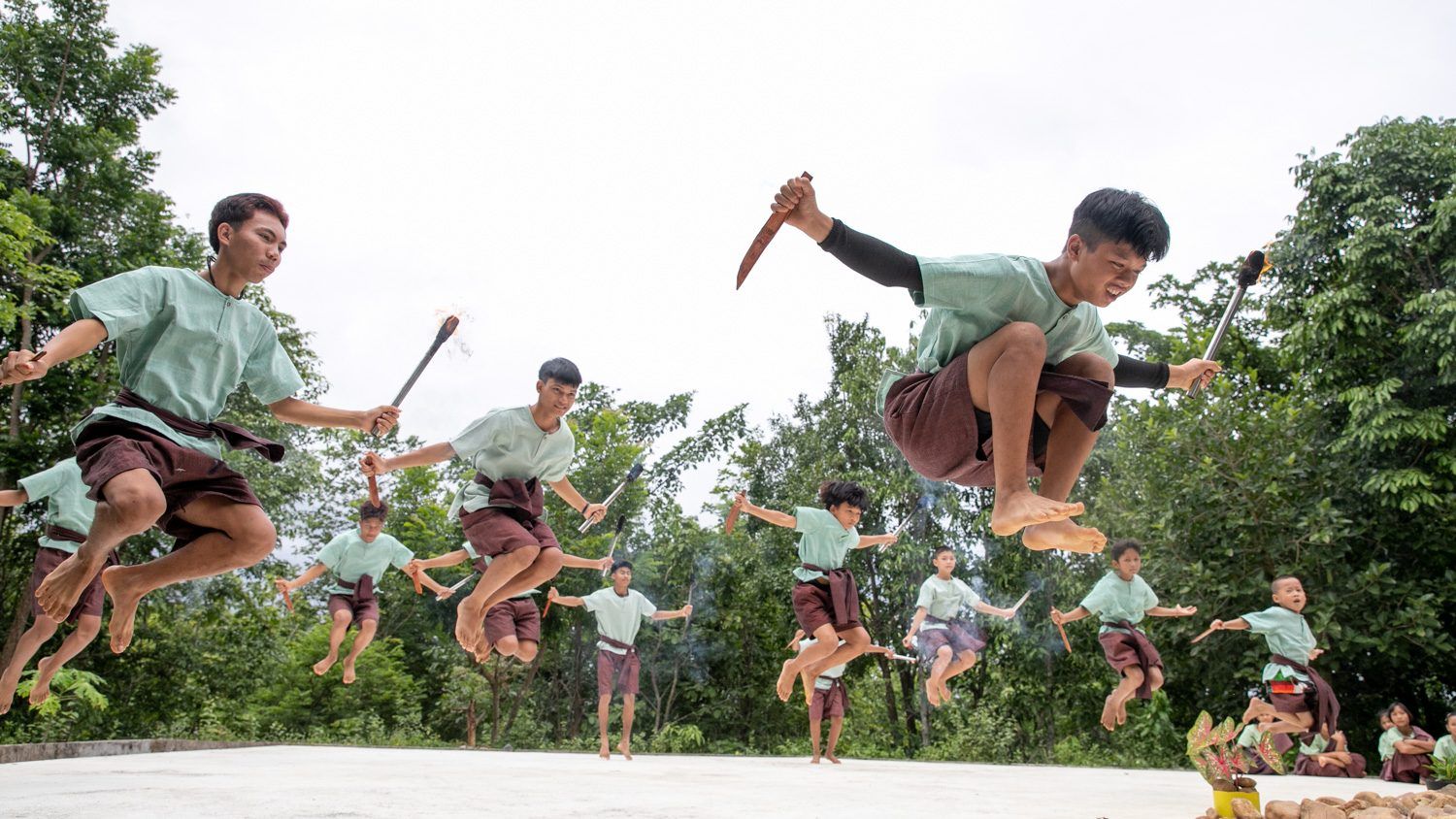
Boys dancing tándava outdoors, leaping high with knees raised and knives held aloft

我們為什麼這樣做

瑜伽的目標是至上意識

  1. 1

    目標 是至上意識。瑜伽的目標很遙遠,像一個遙遠的星系。

  2. 2

    工具 是心靈。它是我們身上最精細的部分,所以只有它細緻到足以抵達目標。

  3. 3

    方法 是靜坐。要看見一顆星,需要一架對準它的望遠鏡;要抵達至上意識,需要讓心靈對準它。這就是靜坐。

  4. 4

    準備與保養。 望遠鏡必須保養、擦拭、調整,才能看見星星。心靈也一樣。每一種靈修都在為心靈做這件事,有的直接作用於心靈,有的透過身體,因為心靈與身體相連。

    看看它如何通向目標 ↓

透過Tándava抵達目標

Táńd́ava brings us to the goal through the body. Its jumps exercise every gland, and the glands nourish not only the body but the mind and the self; the mind keeps its power to think deeply and to remember. With death in one hand and a dagger in the other, the dancer refuses fear and defeat, and fear is an obstacle on the spiritual path. Pure and strong in body, mind and spirit, he stands at the start of Tantra, the path that expands the mind until it is free.

  1. 01

    Every gland exercised

    A dance done with the right breath, rhythm and gesture is a good exercise. When it works on every gland, the glands give the right amount of hormones, and these feed the body, and the mind and the self as well.

    「And if at the same time that dance equally influences each and every gland, then those glands secrete the proper amount of hormones, which brings nourishment not only to the body, but also to the mind and the átman [the self, or soul].」
    Namah Shiváya Shántáya, “Shiva – the Focal Point of Everything (Discourse 3)”
  2. 02

    In the air, then on the ground

    That is why táńd́ava is a dance of jumping. While the dancer is in the air the benefit comes; when he lands, the body takes it in.

    「As long as a dancer remains above the ground, he derives much benefit; when he touches the ground, then those benefits are assimilated by the body.」
    Namah Shiváya Shántáya, “Shiva – the Focal Point of Everything (Discourse 3)”
  3. 03

    The mind keeps its power

    The mind has two main qualities, thinking and remembering. Without exercise of certain glands they fade early and cannot be restored; táńd́ava, an exercise for the brain too, keeps them.

    「The mind has two main qualities – thinking and recollection. Both these qualities deteriorate in the absence of exercise of those glands, and there is no process for restoring them.」
    Namah Shiváya Shántáya, “Shiva – the Focal Point of Everything (Discourse 3)”
  4. 04

    A fight against death

    One hand holds death, the other a dagger. These are images: the dancer imagines them, and carries their spirit, the fight against death, waning and decay.

    「Death is represented by the skull, and the fighting spirit of human beings is represented by a knife.」
    Ánanda Vacanámrtam 5, “Táńd́ava Is a Fight”
  5. 05

    No fear, no defeat

    Surrounded by death, the dancer does not give in to fear or defeatism. Every complex, fear and defeatism among them, stands in the way of spiritual progress; with Parama Puruśa beside us there is nothing to fear.

    「Any sort of complex – superiority complex, inferiority complex, fear complex, defeatist complex, hopelessness – is detrimental to spiritual progress.」
    Ánanda Vacanámrtam 15, “Táńd́ava, Shástra, and the Teachings of Shiva”
  6. 06

    Pure and strong for sádhaná

    Sadáshiva made this dance to keep sádhakas pure in body and mind. Tantra asks for strength of body, mind and spirit, and táńd́ava is its starting phase.

    「Now this dance was invented by Sadáshiva to maintain the physical and psychic purity of sádhakas. That may help them in their spiritual progress.」
    Ánanda Vacanámrtam 6, “The Cosmic Father Has a Special Responsibility”
  7. 07

    Expansion, then liberation

    Tantra means expansion and liberation: the path that expands the mind and so sets it free. This freedom in the Supreme is the goal.

    「so the scientific process that paves the way for the liberation of human beings [by expansion of their minds] is called Tantra.」
    Ánanda Vacanámrtam 15, “Táńd́ava, Shástra, and the Teachings of Shiva”

它是什麼

Táńd́ava is a dance of jumping: tańd́u means an upward jump. Sadáshiva introduced it some seven thousand years ago, and among all dances it is the best.

Dancers wear a chocolate maroon top and a green bottom.

出自原典

“Táńd́ava – which was not invented by me, but by Sadáshiva some seven thousand years ago – is an all-corporal exercise, an exercise for the entire body, including the brain. (There are intellectual exercises for the brain, but hardly any physical exercise. In fact, táńd́ava is the only physical exercise for the brain.)”Ánanda Vacanámrtam 6, “The Cosmic Father Has a Special Responsibility”

“Now the fundamentality, or rather the primordial phase of Oriental dance, is táńd́ava. It is not a very easy job either. The knees must cross the navel. When they cross the navel it is called Brahma táńd́ava. When they cross the anáhata [mid-point of the chest] it is called Viśńu táńd́ava. When they cross this portion [indicates the throat], it is called Rudra táńd́ava. It is very difficult to dance Rudra táńd́ava. It requires long practice.”Ánanda Vacanámrtam 12, “Dance, Mudrá and Tantra”

“Considering all this – considering the location of the glands, and the effect of chandas and mudrás – Shiva invented a unique and perfect dance: táńd́ava. As long as a dancer remains above the ground, he derives much benefit; when he touches the ground, then those benefits are assimilated by the body. That is why in táńd́ava there is much jumping, because jumping requires the practitioner to remain off the ground for a fairly long period of time.”Namah Shiváya Shántáya, “Shiva – the Focal Point of Everything (Discourse 3)”

“The inner motivation of táńd́ava is the following: “Destruction is inevitable, but I will continue to fight against destruction through struggle.” So there is a skull in one hand and a dagger in the other. The skull represents destruction, and the dagger represents fight. The underlying feeling is “I will not surrender to destruction or death. I will continue the struggle with this dagger.””A Few Problems Solved 3, “Song, Dance and Instrumental Music”

“The practice of táńd́ava that is prescribed for you [men] is conducive for physical and spiritual progress. In my opinion, as many people as possible should practise táńd́ava. Those who are a bit old should practise it twice a day at the time of their spiritual practices. As far as young people are concerned, they may practise it as much as they can.”Ánanda Vacanámrtam 22, “Táńd́ava and Kaośikii”

“Táńd́ava means where jumping is the main spirit. You know, while preparing rice from paddy, those newly-created rice jump like this. And that’s why in Sanskrit rice is called tańd́ula. Uncooked rice, that is – cooked rice is called odanam. Similarly, táńd́ava means a dance having the spirit of jumping, and it was a creation of Lord Sadáshiva; and it has a healing effect in almost all the limbs of the body and also in the brain; and the lalita mármika dance that you do while chanting kiirtana was invented by Párvatii; and very recently, perhaps on 6th September, I invented kaośikii, because for ladies there was a necessity for a dance similar to táńd́ava, and kaośikii will serve the purpose; and I hope most of you have already learnt it. It will have a very good effect on your physical body, on your mind and on your spirit.”Ánanda Vacanámrtam 5, “Táńd́ava Is a Fight”

Its kinds

By the height of the knees there are three kinds of táńd́ava. When the knees cross the navel, it is Brahma táńd́ava; when they cross the middle of the chest, Viśńu táńd́ava; when they cross the throat, Rudra táńd́ava, which needs long practice.

The dance, part by part

  1. 1

    The feetÁnanda Vacanámrtam 15, “Táńd́ava, Shástra, and the Teachings of Shiva”

    “The heel of the foot is related to the sound tá, the ball of the foot to the sound dhin, and the toes to the sound dhae. In the kaośikii dance all three are utilized to some extent. But in the táńd́ava dance tá is utilized more than dhin [and dhae not utilized at all].”

  2. 2

    Táńd́ava · whoÁnanda Vacanámrtam 6, “The Cosmic Father Has a Special Responsibility”

    “And among all dances it is the best. But it is not for women.”

  3. 3

    Táńd́ava · the handsÁnanda Vacanámrtam 12, “Dances and the Path of Vidyá”

    “One hand, holding a skull or fire or a snake, represents death, while the other hand is holding a dagger, representing the spirit to fight death.”

    實踐中: The skull, the snake, the fire and the dagger are images. They do not have to be held in the hands: the dancer imagines them, and what matters is the idea they carry, the spirit of fighting death.

  4. 4

    Táńd́ava · by day and by nightÁnanda Vacanámrtam 6, “The Cosmic Father Has a Special Responsibility”

    “And as per the rule, during the day, if one so desires, one may use a live snake in place of the skull; and at night one may use a fire mashála [torch] or a d́amaru [small drum].”

    實踐中: The skull, the snake, the fire and the dagger are images. They do not have to be held in the hands: the dancer imagines them, and what matters is the idea they carry, the spirit of fighting death.

  5. 5

    Táńd́ava · the armsÁnanda Vacanámrtam 12, “Dances and the Path of Vidyá”

    “Hands placed at 90 degrees indicate the strength of the arms of the dancer. Táńd́ava expresses the spirit of strength. Your arms express strength and vigour. They are straight, meaning thereby that they are ready to fight death.”

  6. 6

    Táńd́ava · the jumpÁnanda Vacanámrtam 15, “Táńd́ava, Shástra, and the Teachings of Shiva”

    “The Sanskrit word tańd́u means ‘upward jump’, and hence the dance which involves a lot of jumping is called táńd́ava.”

  7. 7

    Táńd́ava · the ideaÁnanda Vacanámrtam 5, “Táńd́ava Is a Fight”
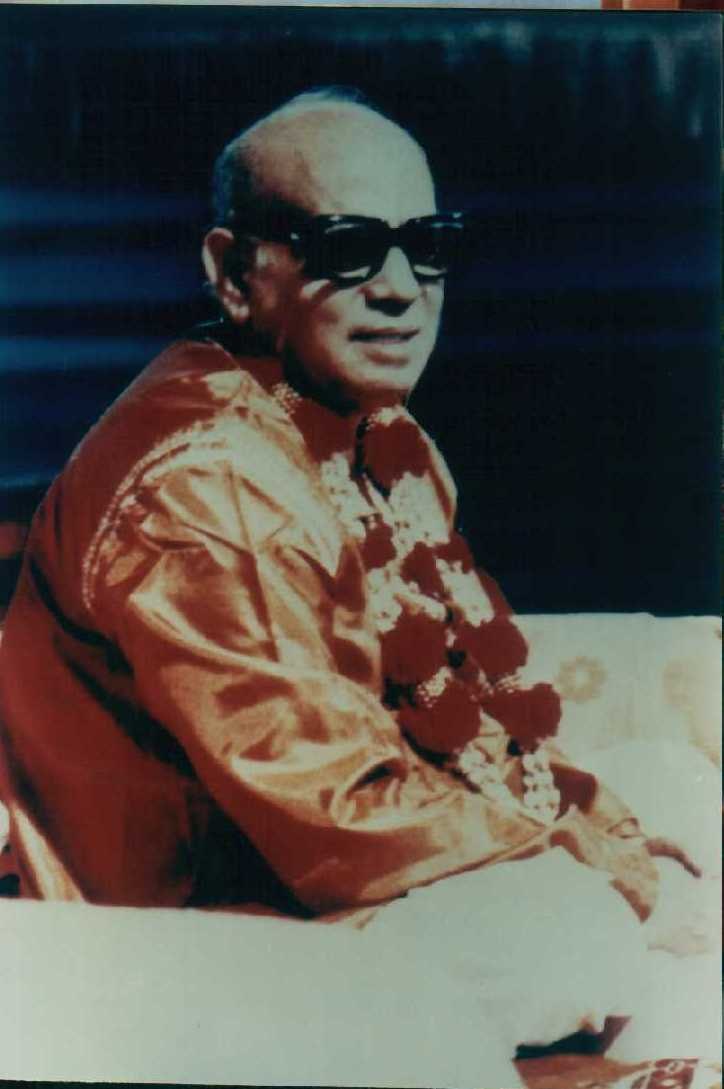
    “Táńd́ava is a fight. In this fight one is fighting against death, against waning, against decay.”

注意事項

  • Before jumping, warm up your legs, knees and joints: you can get injured.
  • Women should not dance táńd́ava.

Táńd́ava: the technique, by commands

Ready. Stand on the toes, the arms out to the sides.

One, two, three, jump. Jump, and in the jump strike the buttocks with the heels; land on the toes in a squat.

Tá-tá-dhin-tá. On “dhin” jump, touching the chest with the knees in the jump; on “tá” land on the toes, standing.

Tá-tá-dhin-tá. On the last “tá” hop on the left foot, at the same time raising the right leg, slightly bent at the knee, toward the left side, as high as you can (the knee should be above the waist).

Tá-tá-dhin-tá. On the first “tá” land on the right foot; on the next “tá” hop, raising the left leg, slightly bent at the knee, toward the right side.

Go on, hopping on the right and the left foot in turn. The dance gets faster as it goes.

Stop! Stop the dance and stand straight, on the toes.

Final position, jump. Jump, and in the jump strike the buttocks with the heels; land on the toes in a squat, then stand up.

By how high the leg rises in the jump there are three kinds of táńd́ava: Brahma táńd́ava, the knee passes the navel; Viśńu táńd́ava, the knee passes the level of the anáhata (the middle of the chest); Rudra táńd́ava, the knee passes the level of the throat.

Dada Sadananda on Tandava在 YouTube 上開啟 ↗
Dada Sadananda on Tandava

When to dance it

Every day, preferably twice: after ásanas and after kaośikii. You can dance it even for thirty seconds, but two minutes is better; two to three minutes give a good effect.

Those who are a bit old dance it twice a day at the time of their spiritual practices; young people, as much as they can.

Who should dance it

Táńd́ava is for men. During táńd́ava the body releases a great deal of testosterone, the male hormone. For women this does not suit: their hormonal system would change and they would begin to look like men, with hair growing on the body and so on. Kaośikii was given for them.

It is not easy for everyone, and it is learned properly, in a disciplined way.

Shrii Shrii Ánandamúrti
「The practice of táńd́ava [spiritual dance] that is prescribed for you [men] is conducive for physical and spiritual progress. In my opinion, as many people as possible should practise táńd́ava.」
Shrii Shrii Ánandamúrti, Ánanda Vacanámrtam 22, “Táńd́ava and Kaośikii”

故事

  • 勇敢的事

    巴巴在印度許多地方舉行 DMC,通常乘飛機旅行。那天夜裡他要從加爾各答去孟買。西孟加拉邦政府禁止了坦達瓦(táńd́ava),但我決心要組織一場,因為我知道巴巴會希望這樣。 巴巴坐在一把椅子上,周圍是做著聖名唱誦(kiirtan)的虔誠者。我悄悄地和另外兩位兄弟組織了一場坦達瓦演示,儘管我沒能獲得其他任何一位達達(dádá)的許可。 兩位兄弟開始跳坦達瓦。我把要用的頭骨交給了他們,並在指揮他們。忽然,幾名警察撲了上來;其中兩個用步槍打我。這一切發生的時候,巴巴看著我,我也看著他。我對他除了愛,什麼也沒有感覺。 警察把我們拖到警車上,帶到監獄;我們第二天被釋放。所有的報紙都登了。我見到了 R 先生,他是和巴巴一起飛去孟買的。他告訴我,巴巴一走出飛機,說的第一句話就是:「S 今天做了一件非常勇敢的事。」R 先生告訴我,巴巴非常高興。閱讀這個故事

    — 一位帶領坦達瓦演示的工作人員,加爾各答, Ác. Shamitánanda Avt., “101 Bábá Stories”, no. 54

  • 試一試那條腿

    1984 年 12 月,巴巴的右腿長了膿腫,於是請來了外科醫生。手術在他的住處進行,之後每天都有一位醫生來給膿腫換藥。 巴巴手術後的三四天,醫生被調到烏爾貝里亞(Ulberia)一家偏遠的醫院。即便如此,他仍被用車接來給巴巴檢查和換藥,好讓他儘快康復。 就這樣過了八天。有一天,醫生檢查傷口的時候,巴巴說:「我現在感覺好些了。我今天跳坦達瓦(táńd́ava)的時候,沒有感到任何不適。」醫生驚訝地說:「什麼!您在這種狀況下一直在跳坦達瓦?巴巴,請您不要這樣。再等幾天。讓傷口先癒合,然後再跳坦達瓦。」 巴巴說:「不,我只是在試試我能不能跳坦達瓦。」我也在場,聽著巴巴和醫生的這番對話,我們都笑了。顯然,巴巴在他個人生活中也嚴格遵守16點原則(Sixteen Points)。凡是他規定瑪琪(Márgii)必須做的,他自己都嚴格遵守。……閱讀這個故事

    — 一位在巴巴身邊值班的工作人員,加爾各答,1984 年 12 月, Ácárya Keshavánanda Avadhúta, “Reminiscences of Bábá: Memoirs”, “5.24. Bábá Danced Tándava”

  • 巴巴先跳了這支舞

    巴巴教我們坦達瓦(Táńd́ava)的時候說:「坦達瓦舞不是我引入這個世界的——是七千年前的濕婆神(Lord Shiva)。不過,經過這麼長的時間,這個靈修已經退化,發生了很大的變化。所以我把它恢復成濕婆神最初引入的形式。坦達瓦是唯一一種大腦的運動。」巴巴沒有說它是最好的;他說它是唯一的。 1978 年 9 月 6 日,巴巴在巴特那引入 Kaoshikii 時,我在場。他說:「傳統上,坦達瓦只由男性靈修,但我一直在想,女性也能從中受益。因此我創造了 Kaoshikii,讓女性能體驗到與坦達瓦同樣的益處。」然後巴巴在我們面前跳了 Kaoshikii。我是巴巴之後第一個跳的人。當時我很瘦。每天靈修 Kaoshikii 可以治癒二十二種疾病。男人也可以做 Kaoshikii,雖然受益較少。巴巴告訴我們每天至少做六遍,做得越多,對我們越有幫助。所以現在我每天做十二遍。閱讀這個故事

    — 一位在 kaoshikii 引入時在場的工作人員,巴特那,1978 年 9 月, Ác. Shamitánanda Avadhúta, “Bábá Unparalleled: 102 Stories”, no. 97

  • 心裡不想跳的時候

    ……巴巴來到台中(Taichung)時,覲見在教師宿舍舉行。我是為歡迎巴巴而準備跳坦達瓦(táńd́ava)的人之一。我們還把一把藤椅改成了轎椅,用來抬巴巴上下樓梯,我是巴巴的轎伕之一。能抬著巴巴,感覺真好。我的上師又一次離我這麼近。我感到多麼有福! 我心裡有一個小小的秘密,只在巴巴和我之間。我覺得巴巴什麼都知道,連我沒有說出口的情緒也知道。每次覲見之前,我們都會跳坦達瓦,但這一次覲見之前,我不想跳坦達瓦,我不知道為什麼。我心情很糟,幾乎想罷工。奇怪的是,那天巴巴沒有讓我們跳坦達瓦。我們直接進入了下一項活動。我很震驚。我看著巴巴,感覺他彷彿在說:「你不想跳坦達瓦?那我也不想看。」這是一種奇怪而獨特的感覺。如果你不想做,他就不會強迫你。我相信很多人有過類似的經歷。……閱讀這個故事

    — Rajendra,台灣台中,1979 年 8 月, Avadhutika Ánanda Lalita Ác., “A Garland of Lights: Bábá’s Love for Taiwan”, “9.9. Ganesh”

雪莉‧雪莉‧阿南達慕提說過的話

  • 「The practice of táńd́ava is not suitable for women because of certain physiological constraints. But they need something too.” (Ánanda Vacanámrtam Part 22, “Táńd́ava and Kaośikii」
    1984)
  • 「So táńd́ava represents the eternal fight, the fight for survival, the fight to maintain existence, the fight to establish oneself as a man in this world.” (Ánanda Vacanámrtam Part 6, “The Cosmic Father Has a Special Responsibility」
    1978)
  • 「Competition in táńd́ava and kaośikii is very good and encouraging. I strongly support it. There should be competitions wherever there are Ananda Margiis.」
    Ánanda Vacanámrtam 22, “Táńd́ava and Kaośikii”

影片

  • Tandava Dance. All round exercise, affecting brain and masculinity在 YouTube 上開啟 ↗

    Tandava Dance. All round exercise, affecting brain and masculinity

  • The Tantric Spirit: Overcoming Fear and Embracing Life在 YouTube 上開啟 ↗

    The Tantric Spirit: Overcoming Fear and Embracing Life

  • Dada Sadananda on Tandava在 YouTube 上開啟 ↗

    Dada Sadananda on Tandava

  • Táńd́ava: guideline在 YouTube 上開啟 ↗

    Táńd́ava: guideline

  • Benefits of Kiirttan // Kaoshiki and Tandava // A’ca’rya Shankara’nanda Avt .在 YouTube 上開啟 ↗

    Benefits of Kiirttan // Kaoshiki and Tandava // A’ca’rya Shankara’nanda Avt .

  • Тандава – мужской танец – таймер и музыка在 YouTube 上開啟 ↗

    Тандава – мужской танец – таймер и музыка

  • Тандава – мужской танец. Музыка и таймер 3 минуты在 YouTube 上開啟 ↗

    Тандава – мужской танец. Музыка и таймер 3 минуты

音樂

常見問題

提一個問題 →