Ananda Marga

개인 수행

Tándava

Táńd́ava

“Táńd́ava – which was not invented by me, but by Sadáshiva some seven thousand years ago – is an all-corporal exercise, an exercise for the entire body, including the brain.”Ánanda Vacanámrtam 6, “The Cosmic Father Has a Special Responsibility”

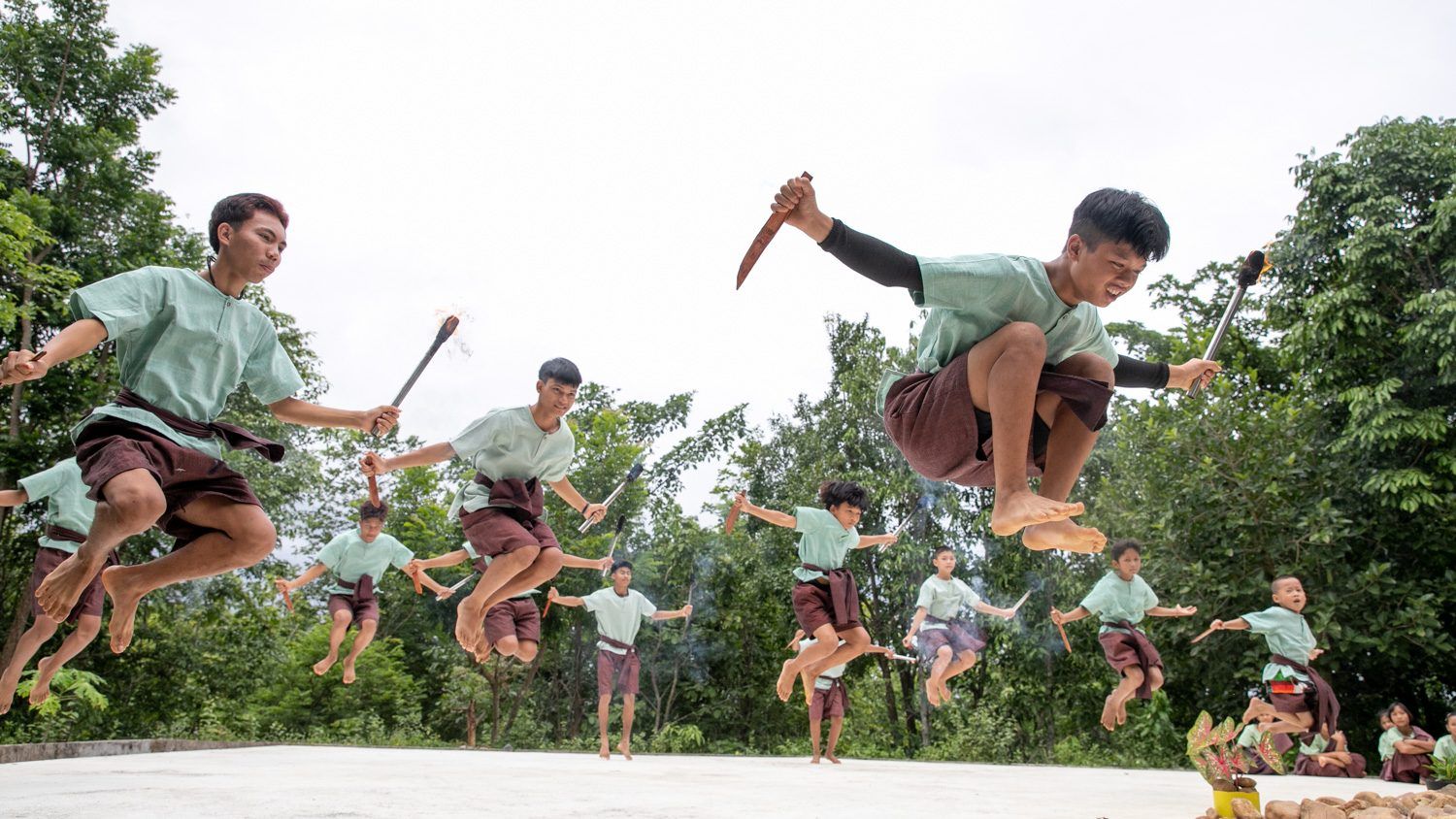
Boys dancing tándava outdoors, leaping high with knees raised and knives held aloft

우리가 이것을 하는 이유

요가의 목표는 지고의식이다

  1. 1

    목표 는 지고의식이다. 요가의 목표는 멀리 있는 별무리처럼 아득하다.

  2. 2

    도구 는 그 목표에 이르는 마음이다. 마음은 우리 안에서 가장 정묘한 부분이어서, 목표에 닿을 만큼 섬세한 것은 마음뿐이다.

  3. 3

    방법 은 명상이다. 별을 보려면 별을 향한 망원경이 필요하듯, 지고의식에 이르려면 그를 향한 마음이 필요하다. 그것이 명상이다.

  4. 4

    준비와 돌봄. 별을 보려면 망원경을 돌보고, 닦고, 알맞게 맞춰야 한다. 마음도 마찬가지이다. 모든 수행은 마음을 위해 이 일을 한다. 직접 하기도 하고 몸을 통해 하기도 한다. 마음이 몸과 이어져 있기 때문이다.

    목표로 어떻게 이어지는지 보기 ↓

Tándava: 목표에 이르는 길

Táńd́ava brings us to the goal through the body. Its jumps exercise every gland, and the glands nourish not only the body but the mind and the self; the mind keeps its power to think deeply and to remember. With death in one hand and a dagger in the other, the dancer refuses fear and defeat, and fear is an obstacle on the spiritual path. Pure and strong in body, mind and spirit, he stands at the start of Tantra, the path that expands the mind until it is free.

  1. 01

    Every gland exercised

    A dance done with the right breath, rhythm and gesture is a good exercise. When it works on every gland, the glands give the right amount of hormones, and these feed the body, and the mind and the self as well.

    “And if at the same time that dance equally influences each and every gland, then those glands secrete the proper amount of hormones, which brings nourishment not only to the body, but also to the mind and the átman [the self, or soul].”
    Namah Shiváya Shántáya, “Shiva – the Focal Point of Everything (Discourse 3)”
  2. 02

    In the air, then on the ground

    That is why táńd́ava is a dance of jumping. While the dancer is in the air the benefit comes; when he lands, the body takes it in.

    “As long as a dancer remains above the ground, he derives much benefit; when he touches the ground, then those benefits are assimilated by the body.”
    Namah Shiváya Shántáya, “Shiva – the Focal Point of Everything (Discourse 3)”
  3. 03

    The mind keeps its power

    The mind has two main qualities, thinking and remembering. Without exercise of certain glands they fade early and cannot be restored; táńd́ava, an exercise for the brain too, keeps them.

    “The mind has two main qualities – thinking and recollection. Both these qualities deteriorate in the absence of exercise of those glands, and there is no process for restoring them.”
    Namah Shiváya Shántáya, “Shiva – the Focal Point of Everything (Discourse 3)”
  4. 04

    A fight against death

    One hand holds death, the other a dagger. These are images: the dancer imagines them, and carries their spirit, the fight against death, waning and decay.

    “Death is represented by the skull, and the fighting spirit of human beings is represented by a knife.”
    Ánanda Vacanámrtam 5, “Táńd́ava Is a Fight”
  5. 05

    No fear, no defeat

    Surrounded by death, the dancer does not give in to fear or defeatism. Every complex, fear and defeatism among them, stands in the way of spiritual progress; with Parama Puruśa beside us there is nothing to fear.

    “Any sort of complex – superiority complex, inferiority complex, fear complex, defeatist complex, hopelessness – is detrimental to spiritual progress.”
    Ánanda Vacanámrtam 15, “Táńd́ava, Shástra, and the Teachings of Shiva”
  6. 06

    Pure and strong for sádhaná

    Sadáshiva made this dance to keep sádhakas pure in body and mind. Tantra asks for strength of body, mind and spirit, and táńd́ava is its starting phase.

    “Now this dance was invented by Sadáshiva to maintain the physical and psychic purity of sádhakas. That may help them in their spiritual progress.”
    Ánanda Vacanámrtam 6, “The Cosmic Father Has a Special Responsibility”
  7. 07

    Expansion, then liberation

    Tantra means expansion and liberation: the path that expands the mind and so sets it free. This freedom in the Supreme is the goal.

    “so the scientific process that paves the way for the liberation of human beings [by expansion of their minds] is called Tantra.”
    Ánanda Vacanámrtam 15, “Táńd́ava, Shástra, and the Teachings of Shiva”

무엇인가

Táńd́ava is a dance of jumping: tańd́u means an upward jump. Sadáshiva introduced it some seven thousand years ago, and among all dances it is the best.

Dancers wear a chocolate maroon top and a green bottom.

원전에서

“Táńd́ava – which was not invented by me, but by Sadáshiva some seven thousand years ago – is an all-corporal exercise, an exercise for the entire body, including the brain. (There are intellectual exercises for the brain, but hardly any physical exercise. In fact, táńd́ava is the only physical exercise for the brain.)”Ánanda Vacanámrtam 6, “The Cosmic Father Has a Special Responsibility”

“Now the fundamentality, or rather the primordial phase of Oriental dance, is táńd́ava. It is not a very easy job either. The knees must cross the navel. When they cross the navel it is called Brahma táńd́ava. When they cross the anáhata [mid-point of the chest] it is called Viśńu táńd́ava. When they cross this portion [indicates the throat], it is called Rudra táńd́ava. It is very difficult to dance Rudra táńd́ava. It requires long practice.”Ánanda Vacanámrtam 12, “Dance, Mudrá and Tantra”

“Considering all this – considering the location of the glands, and the effect of chandas and mudrás – Shiva invented a unique and perfect dance: táńd́ava. As long as a dancer remains above the ground, he derives much benefit; when he touches the ground, then those benefits are assimilated by the body. That is why in táńd́ava there is much jumping, because jumping requires the practitioner to remain off the ground for a fairly long period of time.”Namah Shiváya Shántáya, “Shiva – the Focal Point of Everything (Discourse 3)”

“The inner motivation of táńd́ava is the following: “Destruction is inevitable, but I will continue to fight against destruction through struggle.” So there is a skull in one hand and a dagger in the other. The skull represents destruction, and the dagger represents fight. The underlying feeling is “I will not surrender to destruction or death. I will continue the struggle with this dagger.””A Few Problems Solved 3, “Song, Dance and Instrumental Music”

“The practice of táńd́ava that is prescribed for you [men] is conducive for physical and spiritual progress. In my opinion, as many people as possible should practise táńd́ava. Those who are a bit old should practise it twice a day at the time of their spiritual practices. As far as young people are concerned, they may practise it as much as they can.”Ánanda Vacanámrtam 22, “Táńd́ava and Kaośikii”

“Táńd́ava means where jumping is the main spirit. You know, while preparing rice from paddy, those newly-created rice jump like this. And that’s why in Sanskrit rice is called tańd́ula. Uncooked rice, that is – cooked rice is called odanam. Similarly, táńd́ava means a dance having the spirit of jumping, and it was a creation of Lord Sadáshiva; and it has a healing effect in almost all the limbs of the body and also in the brain; and the lalita mármika dance that you do while chanting kiirtana was invented by Párvatii; and very recently, perhaps on 6th September, I invented kaośikii, because for ladies there was a necessity for a dance similar to táńd́ava, and kaośikii will serve the purpose; and I hope most of you have already learnt it. It will have a very good effect on your physical body, on your mind and on your spirit.”Ánanda Vacanámrtam 5, “Táńd́ava Is a Fight”

Its kinds

By the height of the knees there are three kinds of táńd́ava. When the knees cross the navel, it is Brahma táńd́ava; when they cross the middle of the chest, Viśńu táńd́ava; when they cross the throat, Rudra táńd́ava, which needs long practice.

The dance, part by part

  1. 1

    The feetÁnanda Vacanámrtam 15, “Táńd́ava, Shástra, and the Teachings of Shiva”

    “The heel of the foot is related to the sound tá, the ball of the foot to the sound dhin, and the toes to the sound dhae. In the kaośikii dance all three are utilized to some extent. But in the táńd́ava dance tá is utilized more than dhin [and dhae not utilized at all].”

  2. 2

    Táńd́ava · whoÁnanda Vacanámrtam 6, “The Cosmic Father Has a Special Responsibility”

    “And among all dances it is the best. But it is not for women.”

  3. 3

    Táńd́ava · the handsÁnanda Vacanámrtam 12, “Dances and the Path of Vidyá”

    “One hand, holding a skull or fire or a snake, represents death, while the other hand is holding a dagger, representing the spirit to fight death.”

    실천에서: The skull, the snake, the fire and the dagger are images. They do not have to be held in the hands: the dancer imagines them, and what matters is the idea they carry, the spirit of fighting death.

  4. 4

    Táńd́ava · by day and by nightÁnanda Vacanámrtam 6, “The Cosmic Father Has a Special Responsibility”

    “And as per the rule, during the day, if one so desires, one may use a live snake in place of the skull; and at night one may use a fire mashála [torch] or a d́amaru [small drum].”

    실천에서: The skull, the snake, the fire and the dagger are images. They do not have to be held in the hands: the dancer imagines them, and what matters is the idea they carry, the spirit of fighting death.

  5. 5

    Táńd́ava · the armsÁnanda Vacanámrtam 12, “Dances and the Path of Vidyá”

    “Hands placed at 90 degrees indicate the strength of the arms of the dancer. Táńd́ava expresses the spirit of strength. Your arms express strength and vigour. They are straight, meaning thereby that they are ready to fight death.”

  6. 6

    Táńd́ava · the jumpÁnanda Vacanámrtam 15, “Táńd́ava, Shástra, and the Teachings of Shiva”

    “The Sanskrit word tańd́u means ‘upward jump’, and hence the dance which involves a lot of jumping is called táńd́ava.”

  7. 7

    Táńd́ava · the ideaÁnanda Vacanámrtam 5, “Táńd́ava Is a Fight”
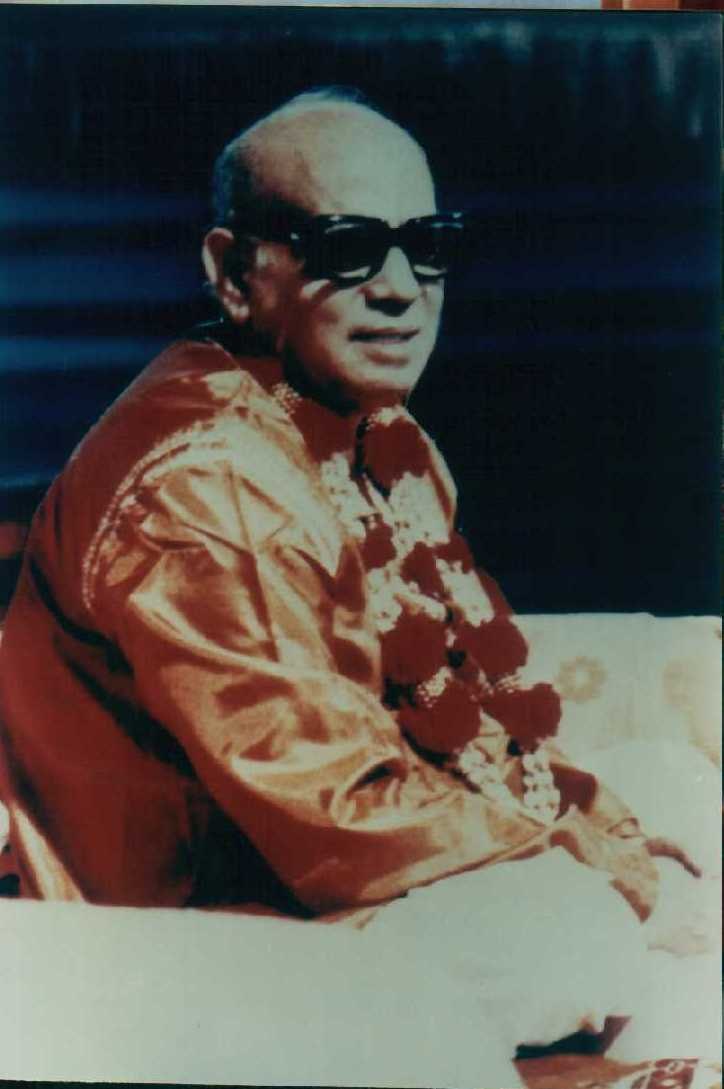
    “Táńd́ava is a fight. In this fight one is fighting against death, against waning, against decay.”

주의할 점

  • Before jumping, warm up your legs, knees and joints: you can get injured.
  • Women should not dance táńd́ava.

Táńd́ava: the technique, by commands

Ready. Stand on the toes, the arms out to the sides.

One, two, three, jump. Jump, and in the jump strike the buttocks with the heels; land on the toes in a squat.

Tá-tá-dhin-tá. On “dhin” jump, touching the chest with the knees in the jump; on “tá” land on the toes, standing.

Tá-tá-dhin-tá. On the last “tá” hop on the left foot, at the same time raising the right leg, slightly bent at the knee, toward the left side, as high as you can (the knee should be above the waist).

Tá-tá-dhin-tá. On the first “tá” land on the right foot; on the next “tá” hop, raising the left leg, slightly bent at the knee, toward the right side.

Go on, hopping on the right and the left foot in turn. The dance gets faster as it goes.

Stop! Stop the dance and stand straight, on the toes.

Final position, jump. Jump, and in the jump strike the buttocks with the heels; land on the toes in a squat, then stand up.

By how high the leg rises in the jump there are three kinds of táńd́ava: Brahma táńd́ava, the knee passes the navel; Viśńu táńd́ava, the knee passes the level of the anáhata (the middle of the chest); Rudra táńd́ava, the knee passes the level of the throat.

Dada Sadananda on TandavaYouTube에서 열기 ↗
Dada Sadananda on Tandava

When to dance it

Every day, preferably twice: after ásanas and after kaośikii. You can dance it even for thirty seconds, but two minutes is better; two to three minutes give a good effect.

Those who are a bit old dance it twice a day at the time of their spiritual practices; young people, as much as they can.

Who should dance it

Táńd́ava is for men. During táńd́ava the body releases a great deal of testosterone, the male hormone. For women this does not suit: their hormonal system would change and they would begin to look like men, with hair growing on the body and so on. Kaośikii was given for them.

It is not easy for everyone, and it is learned properly, in a disciplined way.

슈리 슈리 아난다무르티
“The practice of táńd́ava [spiritual dance] that is prescribed for you [men] is conducive for physical and spiritual progress. In my opinion, as many people as possible should practise táńd́ava.”
슈리 슈리 아난다무르티, Ánanda Vacanámrtam 22, “Táńd́ava and Kaośikii”

이야기

  • 용기 있는 일

    바바께서는 인도 여러 곳에서 DMC를 하셨고, 주로 비행기로 이동하셨다. 그날 밤 바바께서는 콜카타에서 봄베이로 가실 참이었다. 서벵골 주 정부가 탄다바를 금지했지만, 나는 바바께서 원하시리라는 것을 알았기에 기어이 탄다바를 하기로 마음먹었다. 바바께서는 키르탄을 하는 헌신자들에게 둘러싸여 의자에 앉아 계셨다. 나는 다른 다다 누구에게도 허락을 받지 못했지만, 다른 형제 두 명과 몰래 탄다바 시연을 준비했다. 두 형제가 탄다바를 추기 시작했다. 내가 해골을 쓰라고 건네주었고 나는 그들을 이끌고 있었다. 갑자기 경찰 여럿이 우리에게 덤벼들었고, 그중 둘이 소총으로 나를 때렸다. 이 모든 일이 벌어지는 동안 바바께서 나를 바라보셨고 나도 바바를 바라보았다. 나는 바바에 대한 사랑 말고는 아무것도 느끼지 않았다. 경찰은 우리를 호송차로 끌고 가 감옥에 가두었고, 우리는 다음 날 풀려났다. 모든 신문에 실렸다. 나는 바바와 함께 비행기로 봄베이에 간 R 씨를 만났다. 그가 말하기를, 바바께서 비행기에서 내리시자마자 처음 하신 말씀이 이랬다고 한다. “S가 오늘 아주 용기 있는 일을 했다.” R 씨는 바바께서 무척 기뻐하셨다고 전해 주었다.이야기 읽기

    — 탄다바 시연을 이끈 활동가, 콜카타, Ác. Shamitánanda Avt., “101 Bábá Stories”, no. 54

  • 다리를 시험해 보다

    1984년 12월 바바께서는 오른쪽 다리에 농양이 생기셨고, 외과 의사가 불려 왔다. 수술은 바바의 거처에서 이루어졌고 의사는 날마다 와서 농양 부위를 처치했다. 바바께서 수술을 받으신 지 사나흘 뒤, 의사는 울베리아의 외딴 병원으로 전근을 갔다. 그래도 바바께서 하루빨리 회복하시도록, 진료와 처치를 위해 의사를 차로 모셔 왔다. 그렇게 여드레가 지났다. 어느 날 의사가 상처를 살피는 동안 바바께서 말씀하셨다. “이제 좋아졌다. 오늘 탄다바를 하는데도 불편하지 않았다.” 의사는 깜짝 놀랐다. “뭐라고요! 이런 상태에서 탄다바를 하셨다고요? 바바, 제발 하지 마십시오. 며칠 더 기다리십시오. 상처가 먼저 아물게 하고 탄다바를 하십시오.” 바바께서 말씀하셨다. “아니다, 탄다바를 할 수 있는지 시험해 본 것뿐이다.” 나도 그 자리에 있었는데, 바바와 의사가 주고받은 말을 듣고 우리는 웃었다. 분명히 바바께서는 개인 생활에서 열여섯 가지 항목을 철저하게 지키고 계셨다. 마르기들에게 의무로 정하신 것은 무엇이든 바바께서 몸소 엄격하게 지키셨다. …이야기 읽기

    — 바바 곁에서 근무하던 활동가, 콜카타, 1984년 12월, Ácárya Keshavánanda Avadhúta, “Reminiscences of Bábá: Memoirs”, “5.24. Bábá Danced Tándava”

  • 바바가 먼저 추셨다

    바바께서 탄다바를 가르쳐 주실 때 말씀하셨다. “탄다바 춤을 세상에 소개한 것은 내가 아니다. 7천 년 전 시바 신이다. 그러나 그토록 오랜 세월에 수행법이 퇴화하고 많이 바뀌었다. 그래서 나는 시바 신이 처음 소개한 형태로 되살렸다. 탄다바는 뇌를 위한 유일한 운동이다.” 바바께서는 최고라고 말씀하시지 않고, 유일하다고 말씀하셨다. 1978년 9월 6일 파트나에서 바바께서 카우쉬키를 소개하실 때 나는 그 자리에 있었다. 바바께서 말씀하셨다. “탄다바는 전통적으로 남성만 수행하지만, 나는 오래전부터 여성도 이로움을 얻을 수 있다고 생각해 왔다. 그래서 여성이 탄다바와 같은 이로움을 누릴 수 있도록 카우쉬키를 만들었다.” 그러고는 우리 앞에서 카우쉬키를 직접 추셨다. 바바 다음으로 처음 따라 춘 사람이 나였다. 그때 나는 매우 말랐었다. 카우쉬키를 매일 수행하면 스물두 가지 질병을 고칠 수 있다. 남성도 카우쉬키를 할 수 있지만 이로움은 덜하다. 바바께서는 하루에 적어도 여섯 번은 하라고 하셨고, 카우쉬키를 많이 할수록 더 도움이 된다고 하셨다. 그래서 나는 요즘 열두 번을 한다.이야기 읽기

    — 카우쉬키 소개 때 그 자리에 있던 활동가, 파트나, 1978년 9월, Ác. Shamitánanda Avadhúta, “Bábá Unparalleled: 102 Stories”, no. 97

  • 마음이 내키지 않던 날

    … 바바께서 타이중에 오셨을 때 다르샨은 교사 기숙사에서 열렸다. 나는 바바를 맞이하는 탄다바를 하려고 준비한 사람들 가운데 하나였다. 우리는 등나무 의자를 가마로 개조해 바바를 계단 위아래로 모셨는데, 나도 바바의 가마를 멘 사람 가운데 한 명이었다. 바바를 모시는 느낌은 참으로 좋았다. 나의 구루가 다시 이토록 가까이 계셨다. 얼마나 복 받았다고 느꼈는지 모른다. 내 마음에는 바바와 나 사이의 작은 비밀이 있었다. 나는 바바께서 말로 하지 않은 감정까지도 모든 것을 아신다고 느꼈다. 바바의 다르샨에 앞서 우리는 탄다바를 하곤 했는데, 이번 다르샨 전에는 왜인지 탄다바를 하고 싶지 않았다. 기분이 가라앉아 거의 파업이라도 하고 싶은 마음이었다. 이상하게도 그날 바바께서는 우리에게 탄다바를 하라고 하지 않으셨다. 대신 곧바로 다음 순서로 넘어갔다. 나는 충격을 받았다. 바바를 바라보자 바바께서 “탄다바를 하기 싫으냐? 그렇다면 나도 보고 싶지 않다.” 하고 말씀하시는 것 같았다. 이상하고도 독특한 느낌이었다. 하기 싫으면 바바께서는 억지로 시키지 않으신다는 것이다. 많은 사람이 비슷한 경험을 했으리라 믿는다. …이야기 읽기

    — Rajendra, 타이중, 대만, 1979년 8월, Avadhutika Ánanda Lalita Ác., “A Garland of Lights: Bábá’s Love for Taiwan”, “9.9. Ganesh”

슈리 슈리 아난다무르티께서 하신 말씀

  • “The practice of táńd́ava is not suitable for women because of certain physiological constraints. But they need something too.” (Ánanda Vacanámrtam Part 22, “Táńd́ava and Kaośikii”
    1984)
  • “So táńd́ava represents the eternal fight, the fight for survival, the fight to maintain existence, the fight to establish oneself as a man in this world.” (Ánanda Vacanámrtam Part 6, “The Cosmic Father Has a Special Responsibility”
    1978)
  • “Competition in táńd́ava and kaośikii is very good and encouraging. I strongly support it. There should be competitions wherever there are Ananda Margiis.”
    Ánanda Vacanámrtam 22, “Táńd́ava and Kaośikii”

영상

  • Tandava Dance. All round exercise, affecting brain and masculinityYouTube에서 열기 ↗

    Tandava Dance. All round exercise, affecting brain and masculinity

  • The Tantric Spirit: Overcoming Fear and Embracing LifeYouTube에서 열기 ↗

    The Tantric Spirit: Overcoming Fear and Embracing Life

  • Dada Sadananda on TandavaYouTube에서 열기 ↗

    Dada Sadananda on Tandava

  • Táńd́ava: guidelineYouTube에서 열기 ↗

    Táńd́ava: guideline

  • Benefits of Kiirttan // Kaoshiki and Tandava // A’ca’rya Shankara’nanda Avt .YouTube에서 열기 ↗

    Benefits of Kiirttan // Kaoshiki and Tandava // A’ca’rya Shankara’nanda Avt .

  • Тандава – мужской танец – таймер и музыкаYouTube에서 열기 ↗

    Тандава – мужской танец – таймер и музыка

  • Тандава – мужской танец. Музыка и таймер 3 минутыYouTube에서 열기 ↗

    Тандава – мужской танец. Музыка и таймер 3 минуты

음악

질문

질문하기 →